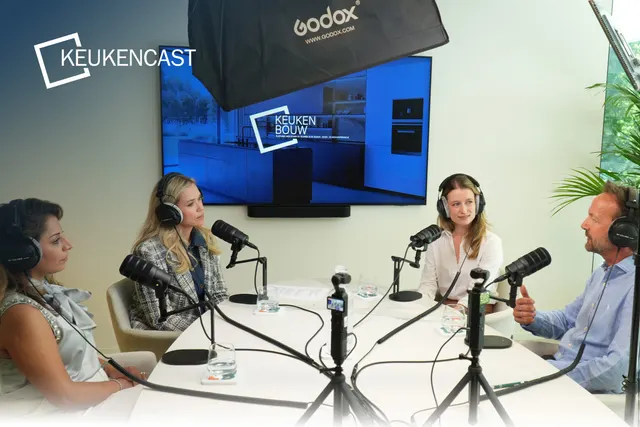
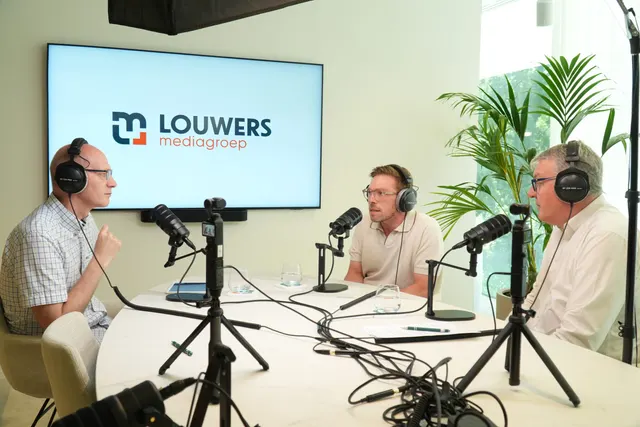
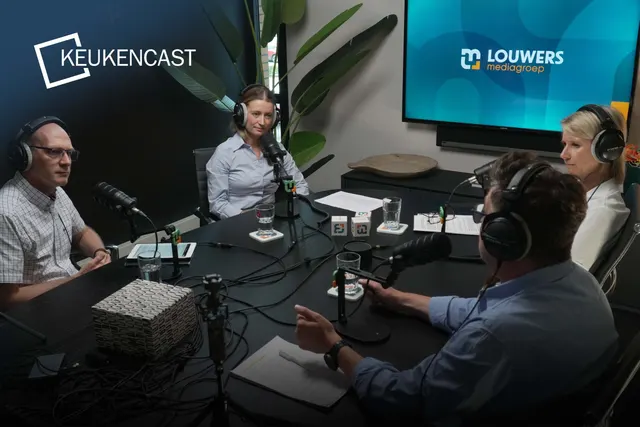
A podcast on the future of family-run kitchen businesses and bathroom installers
Text Björn Crul Image Louwers Mediagroep
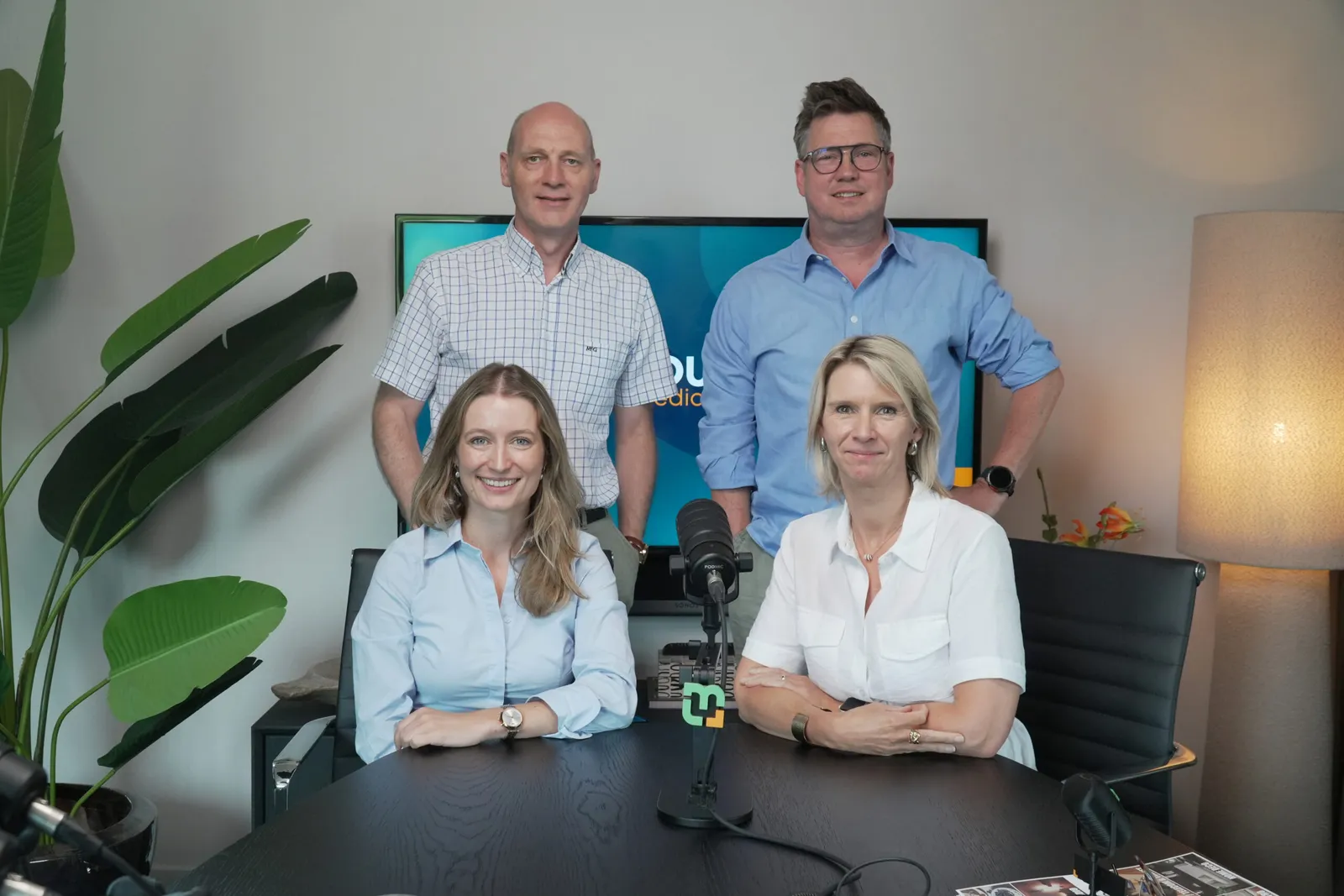
Many family-run SMEs operate in the world of interior design, kitchen fitting and bathrooms. They build on years of experience, know their customers and look beyond the next sale. But in a fast-changing and competitive environment, they face a whole range of challenges, not least the need to invest in digitalisation and efficiency. Katrien Taelman of Taelman Home, Jan van den Berg of Installatiebedrijf van den Berg and Caroline Dries of Brio Group share their views on a sector in transition.
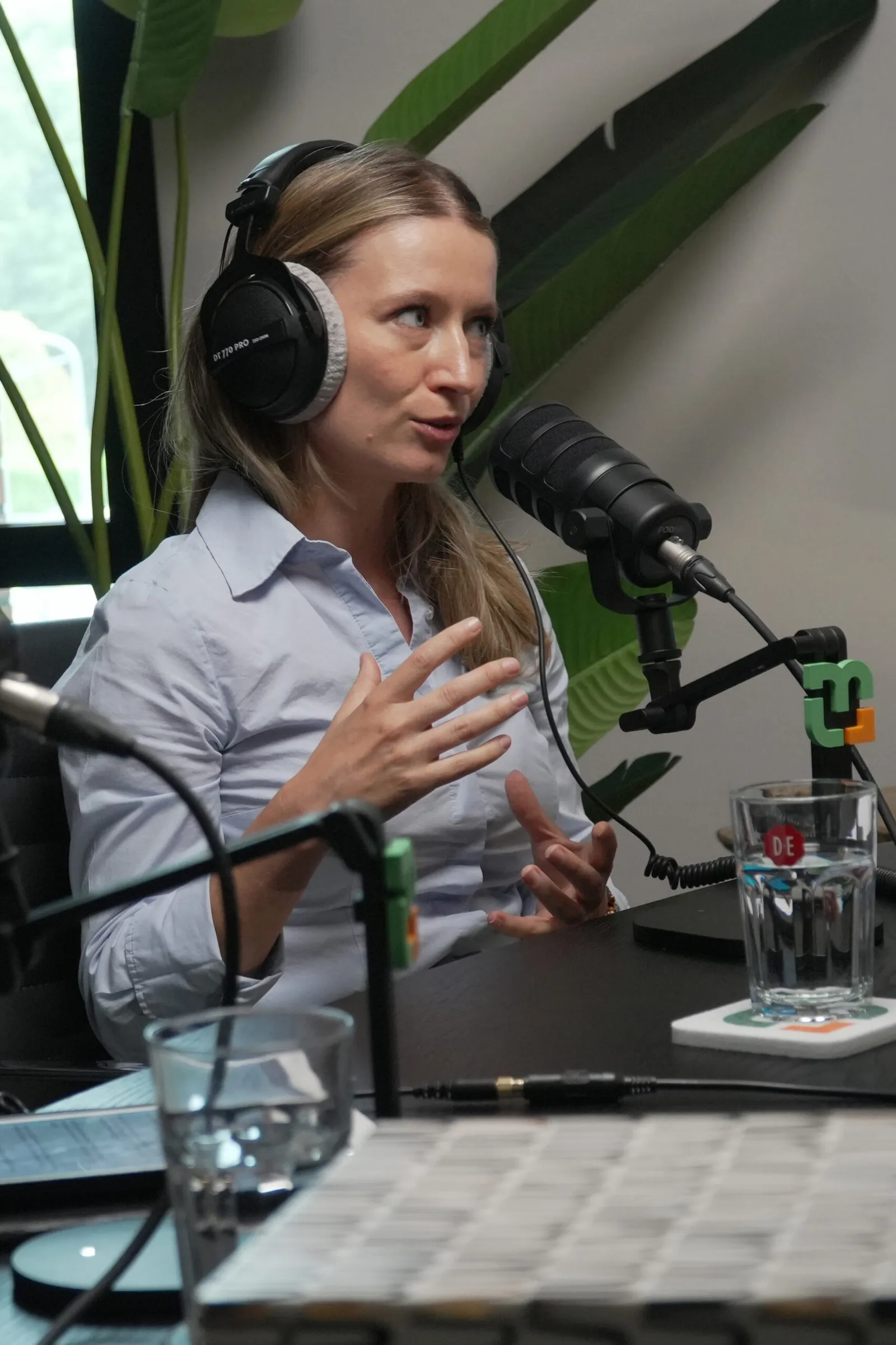
In a family business, the transition to a new generation rarely follows a rigid plan. Children gradually become involved in the company, take on more responsibility and put their own stamp on its story. At Taelman, originally an electrical goods shop in Kortrijk, the handover to the second generation went relatively smoothly. “My parents gave my husband and me a great deal of freedom to find our own way,” says Katrien Taelman. “That trust made it possible to try out new ideas and, after a while, take over the business. Our own contributions include the additional branches we opened, broadening the range to include accessories for the home and garden, and taking on kitchen installation as well.”
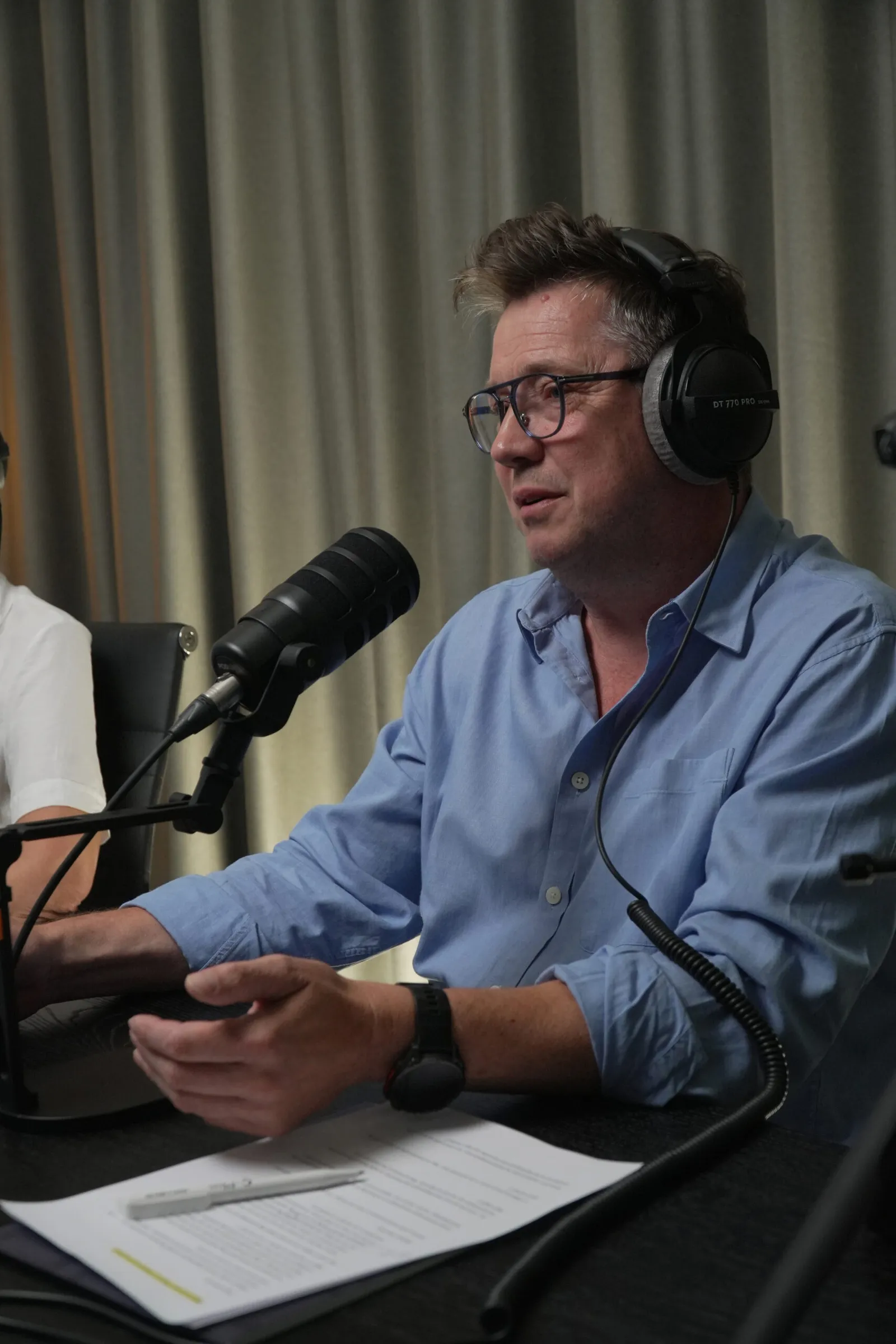
Jan van den Berg also took over the family installation business with his brother Bert. He says the strength of their partnership lies in their complementary skills: “Not everyone has the same talents or interests. The most important thing, I think, is to agree clearly on who is responsible for what. My brother is more technically minded and was very interested in renewable energy, while sales and bathrooms are more my thing. We were proud to continue the business together. We grew into it gradually. At the same time, we realised that the company’s history and a family name on the front of the building inspire trust, but also create high expectations among customers.”
Making craftsmanship visible
The key question today is how independent businesses can stand out. Customers have become more critical: they do their research before coming into the showroom and compare more options. Katrien Taelman: “A kitchen is an emotional purchase. Customers dream of their ideal kitchen. But it is also a longer sales process that takes time. Together with the customer, we look for a solution that fits, based on inspiration they may have found on Instagram, for example. And of course, there are budget limits.”
Jan van den Berg agrees: “Our job is to guide customers towards high-quality products at the right budget. And the relationship doesn’t end with the sale. Something can go wrong with any brand, that’s a fact of life. We take that into account when selecting our bathroom brands too. How do they deal with issues? Because ultimately, customers expect us as installers to solve every problem.”
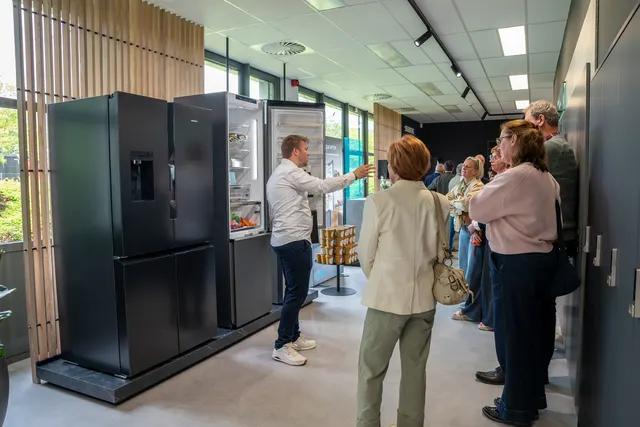
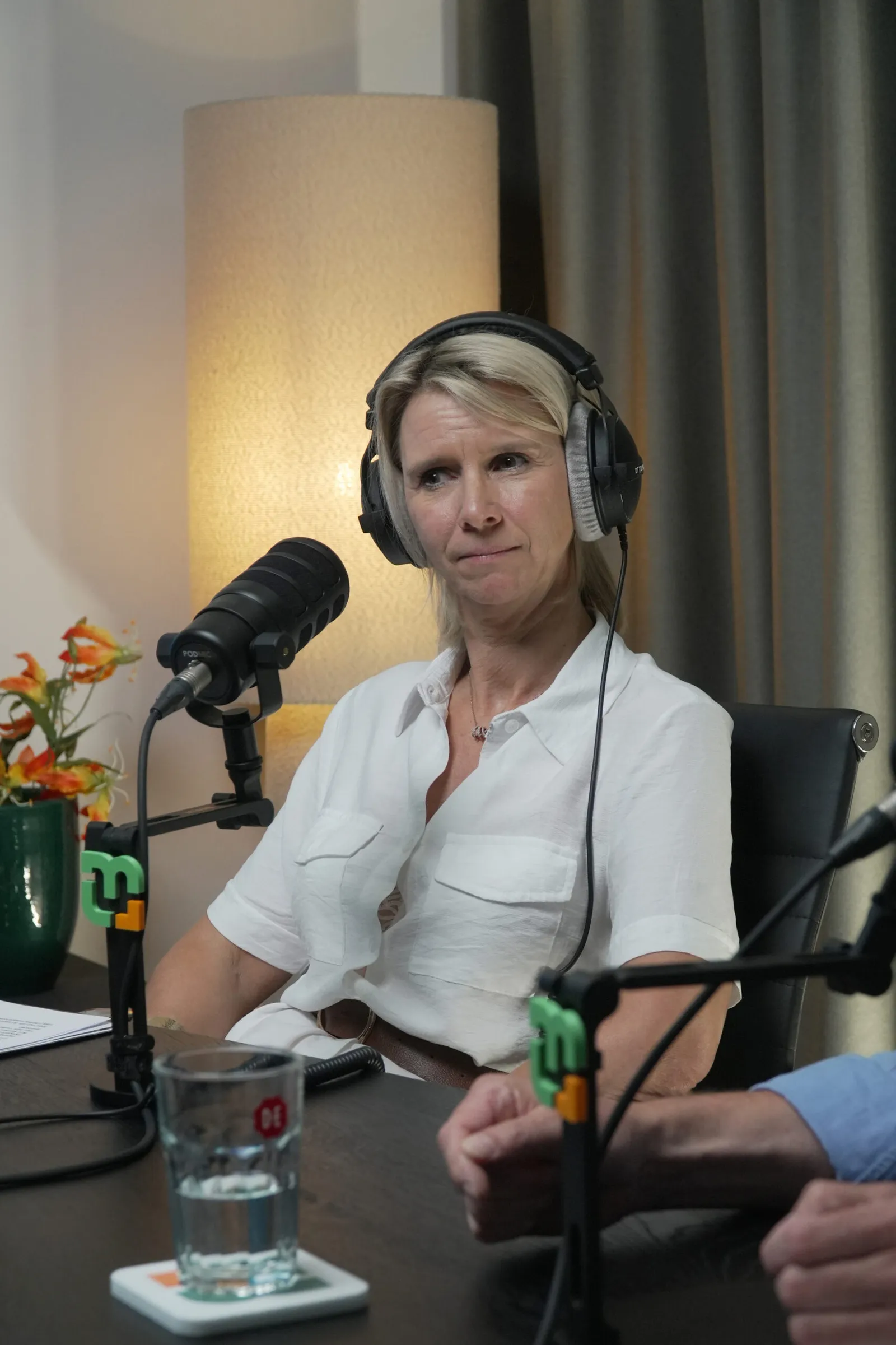
Caroline Dries of the buying group Brio Group finds that businesses sometimes undersell their expertise and service. “Many businesses in the sector are actually too modest when it comes to their craftsmanship, even though their product and trade knowledge is a major asset. Explaining why one solution is a better fit makes your added value tangible and prevents the conversation from being solely about price. After-sales service is also generally at a much higher level than with the chains.”
Digitalisation is about more than software
Processes in family businesses have often evolved organically, with some of the knowledge held in the minds of the business owner or experienced employees. Behind the scenes, things are also becoming more complex. Sales, administration, planning and communication need to work together more closely. Digitalisation can help, but it takes more than simply installing software.
Caroline Dries sees Brio Group playing a role in sharing knowledge and experience and supporting the digital transformation of independent installers. “When businesses are grappling with the same questions, there’s no need for each one to do all the research and development work from scratch. We can explore solutions, select partners, organise training and facilitate the sharing of experiences. This makes digitalisation more achievable for every SME.”
“Since digitalisation and software can be quite expensive for an independent business to develop in-house, I can certainly see the added value. I’m thinking specifically of 3D visualisation, for example,” says Katrien Taelman. “We had already clearly experienced the benefits of the buying group when we started fitting kitchens. Brio Group guided us and put us in touch with the right suppliers.”
Jan van den Berg also continues to rely on the buying group to support the further growth of his business: “For example, we’re interested in learning from other installers about how they approach their showrooms. We face the same challenges, so there’s no need to reinvent the wheel every time. I hope to meet those colleagues through the Brio Group network. That way, the organisation supports us behind the scenes while we retain our own approach and freedom to make decisions.”
Een zakelijke vraag aan Brio Group? Get in touch
Companies in this story
Keep following this
Get an email when a new story is published. No account needed.
- ThemeFrom kitchen to bathroom
- SubjectGeneral
- CompanyBrio Group