Digitalisation should support your strategy, not the other way round
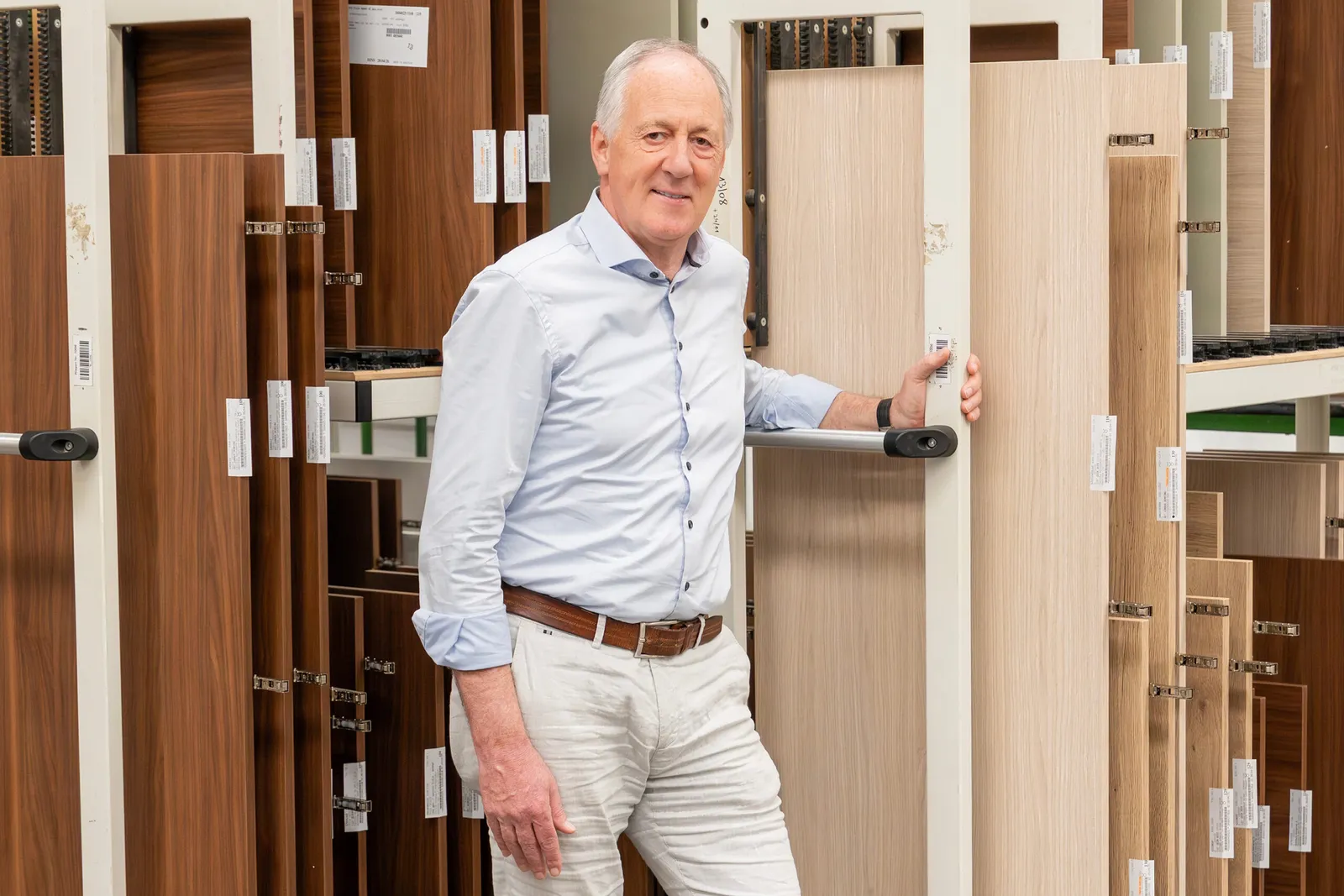
Over the past few months, we at Vika have received many congratulations following our Factory of the Future award. For us, it recognises decisions we made more than thirty years ago. When my wife Els and I took the helm of the family business in 1994, we quickly decided that we wanted to remain a pure B2B player. While many companies moved into the consumer market, we continued to focus on kitchen studios, bathroom wholesalers and property developers.
During that period, competition from major international players increased sharply. In a country with high labour costs, the only way to counter them with a better-looking, better and more flexible product is to make smart use of automation and digitalisation. To avoid compromising on flexibility, we began developing software and machinery for one-off production as early as 1996. Digitalisation and automation were therefore never ends in themselves, but a means of making our strategy work.
I sometimes see companies in our sector investing in machinery or software because they feel they have to keep up. But automating for its own sake is not a good idea. Technology needs to suit the kind of business you want to be and the volumes you handle. Otherwise, you risk investing in machinery that does not deliver sufficient returns, particularly now that it becomes obsolete so quickly.
There is no single right way to run a business in our sector. There will always be a market for joiners and interior fit-out companies that focus entirely on bespoke work and execute complex designs by interior architects down to the smallest detail. And rightly so. Traditional craftsmanship will always have a place, especially in the high-end segment.
At the other end of the spectrum, a handful of companies have chosen a model like ours. A model in which high-tech machinery is essential for producing larger volumes efficiently, while the challenge remains to make bespoke work possible. This is where we aim to stand out: using digitalisation to reconcile bespoke work, efficiency and consistent quality.
Perhaps that is the biggest challenge facing our sector today: not blindly following the same trends, but first deciding what kind of business you want to be. Only then can you decide which technology, machinery or software will genuinely add value.
Eddy Teerlynck and Els Viaene
Managing directors, Vika
Question about this story? Ask your question
Keep following this
Get an email when a new story is published. No account needed.
- SubjectThe pen