The right furniture fittings: small details, big impact
Text Tom Rampelbergh Beeld Van Hoecke, Van Opstal, Hettich, Mobalpa
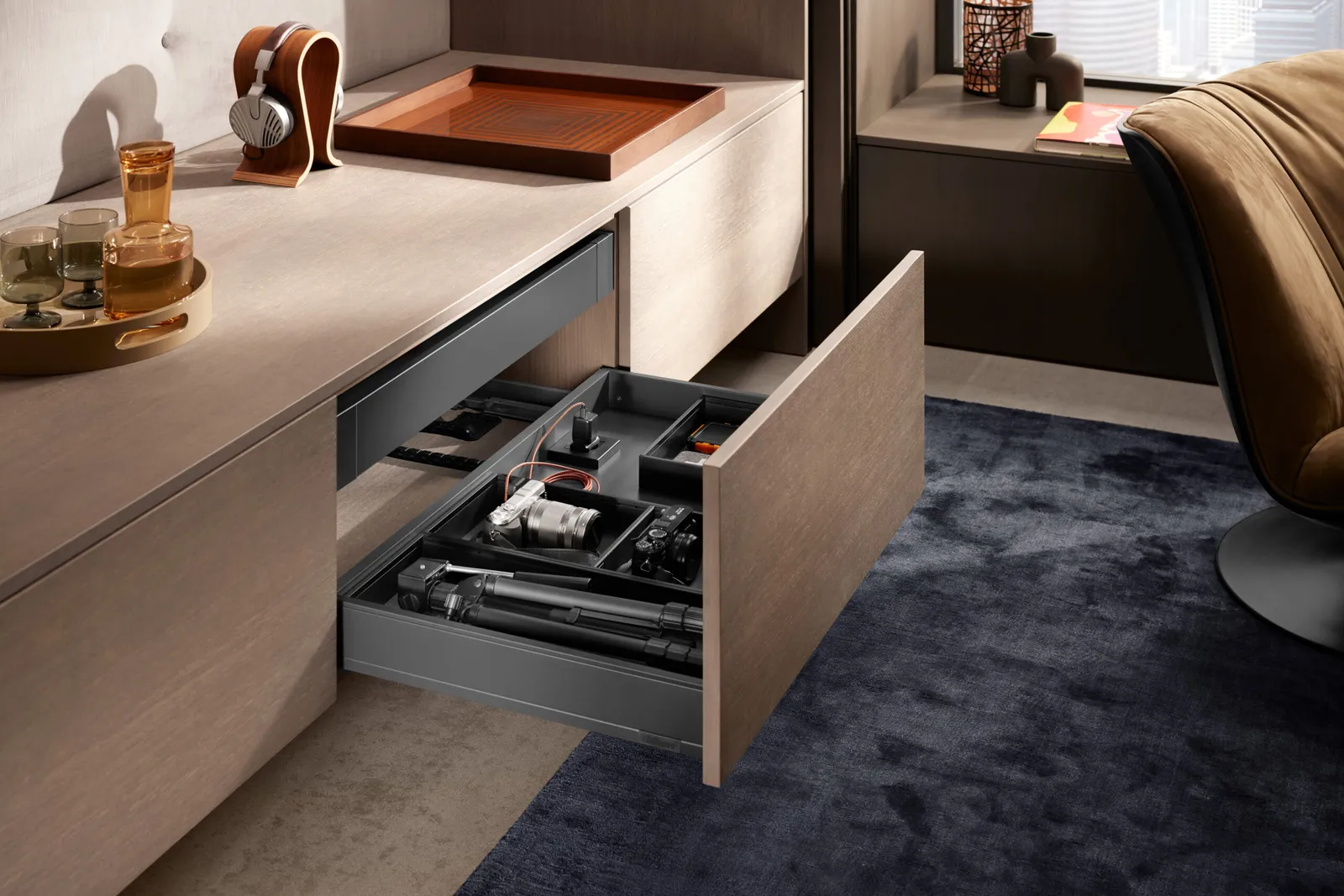
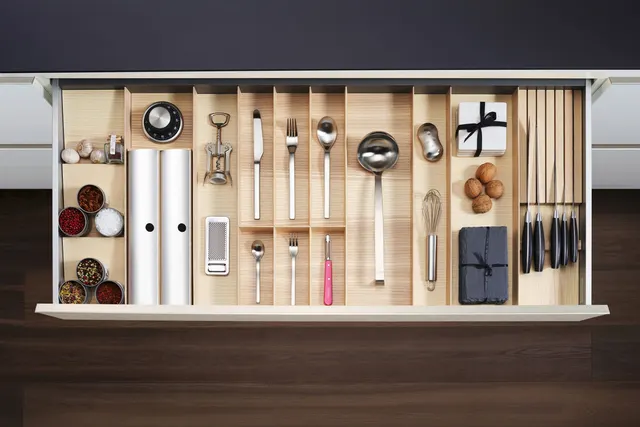
Kitchen designers and fitters know that the difference often lies in the details. Furniture fittings, from hinges and handles to drawer systems and runners, play a bigger role than ever. Today, as in the past, furniture fittings need to be functional, but they have also become a fully fledged design feature.
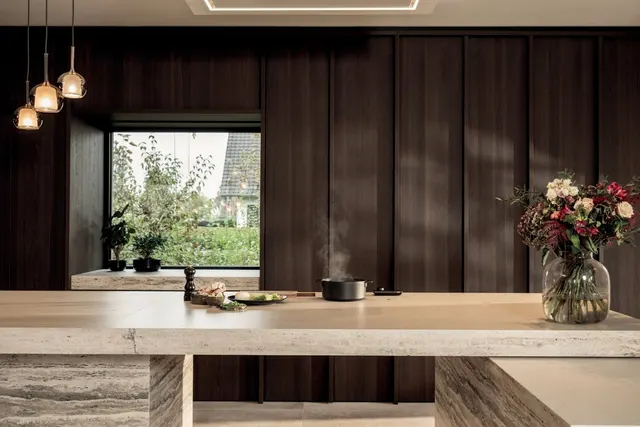
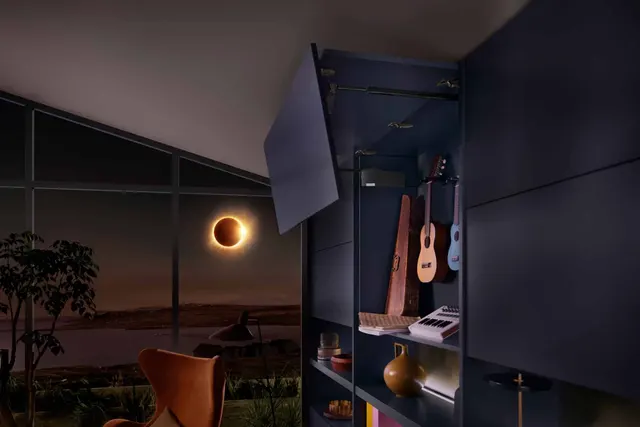
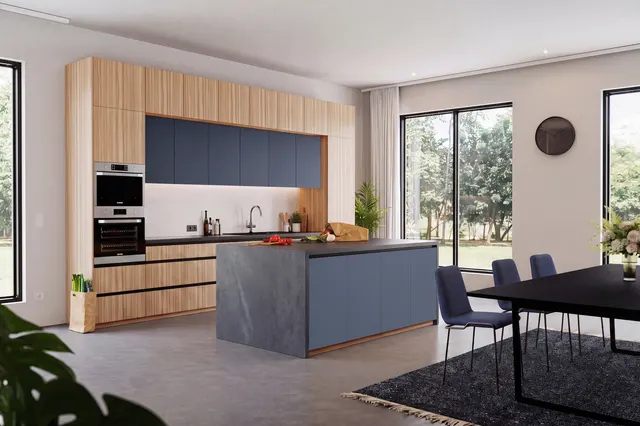
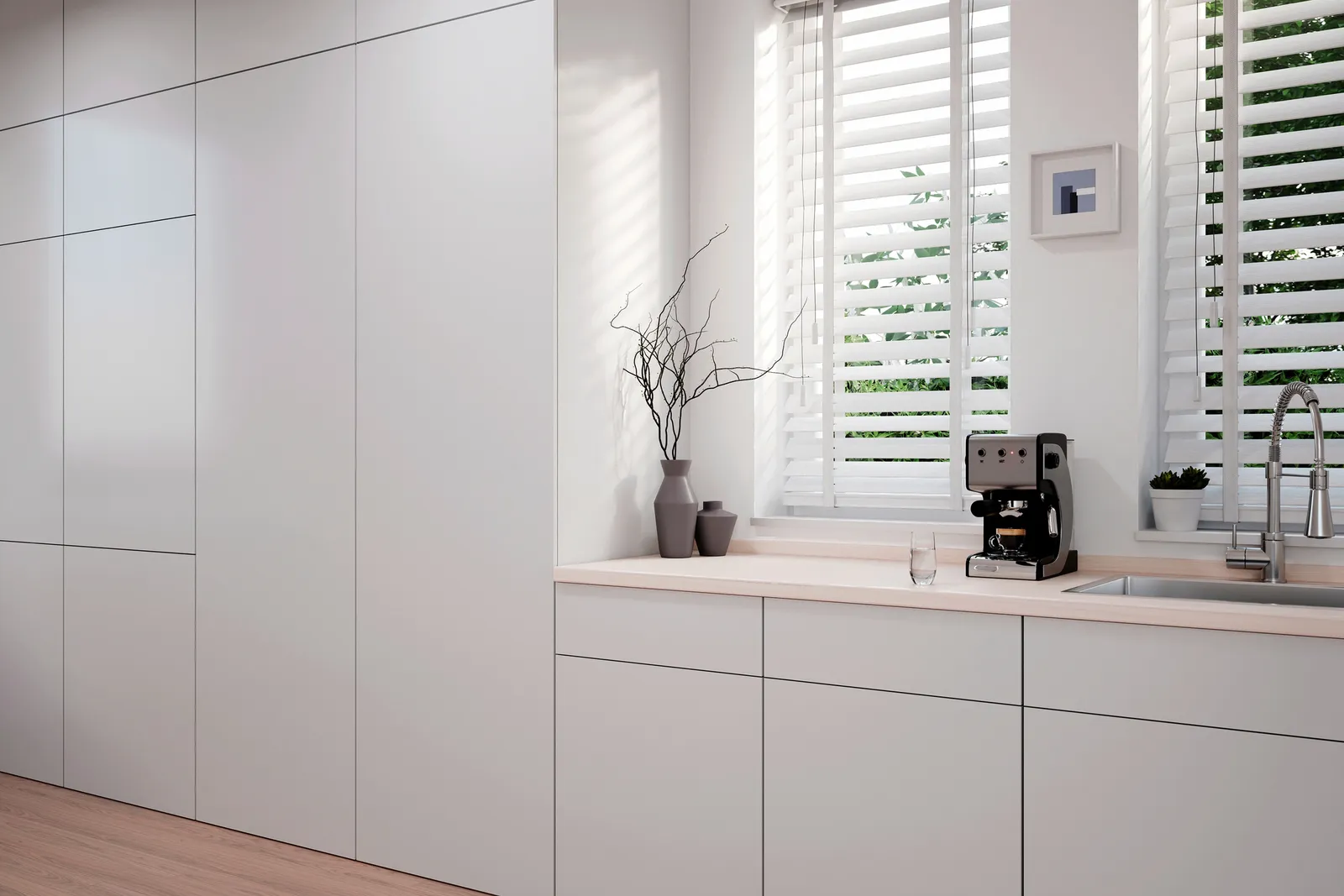
Handleless kitchens remain as popular as ever. The desire for a calm, timeless look leads many consumers to opt for a design with clean lines and smooth fronts. But, as many manufacturers tell us, minimalism need not feel cold. We are seeing mechanisms for softly opening cabinets and drawers, such as tip-on or push-to-open systems. They provide an elegant way to open cabinets without visible handles. The subtle click of a drawer closing by itself enhances the experience. And without even noticing it, you also get a sense of quality.
Materials with character
The popularity of handleless kitchens does not mean that handles are fading into the background. Quite the opposite: the right handle is making a comeback. Not merely as a functional feature, but as a statement in the kitchen. A solid metal handle in brushed black or brass, for example, brings warmth and personality to the kitchen. And what about new materials for handles, such as leather and wood veneer? They offer a subtle nod to craftsmanship and to the natural materials that are making strong inroads in kitchens and, by extension, throughout the home.
Sustainability in fittings too
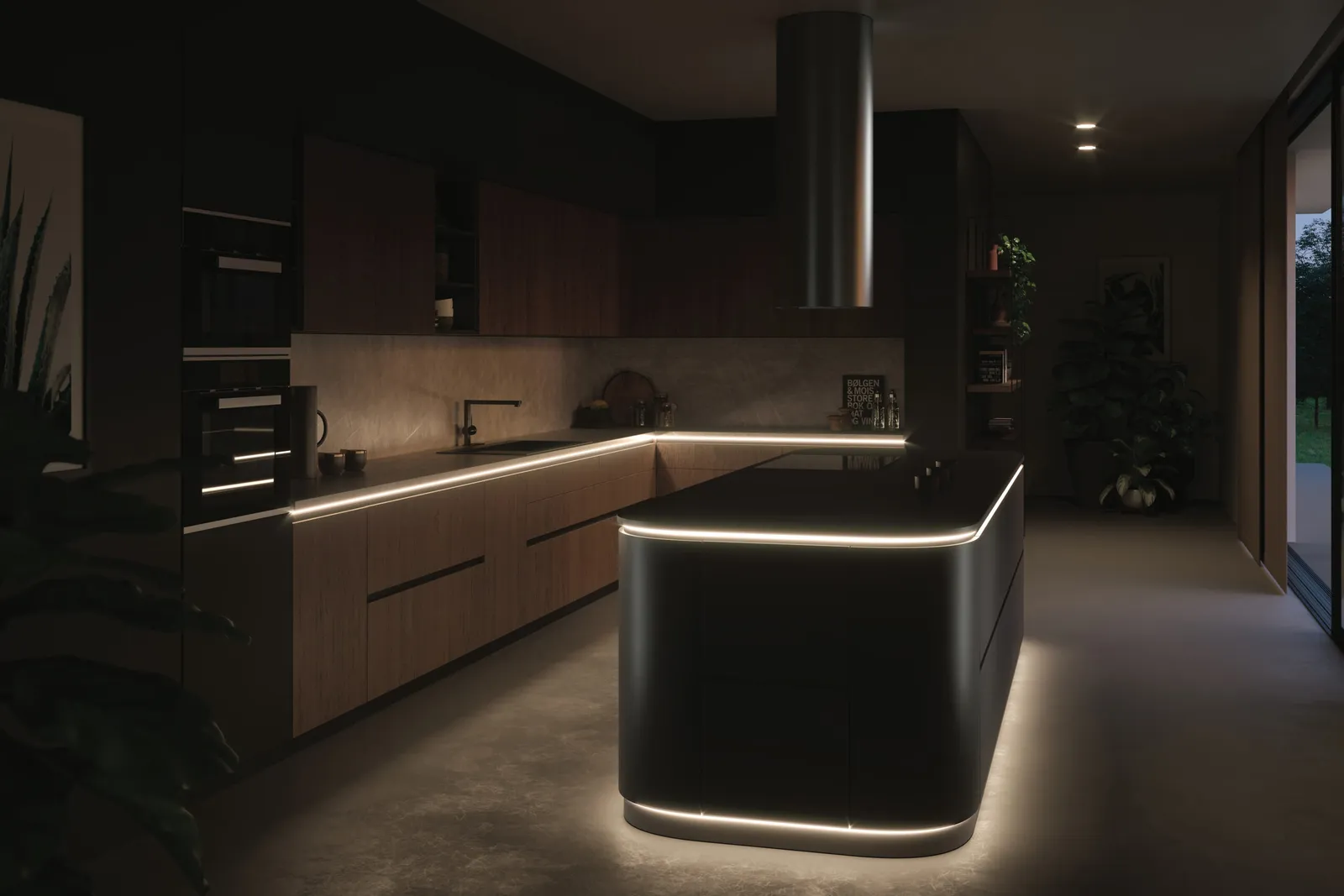
Kitchens are getting smarter, and so are their fittings. Illuminated drawer systems and integrated dampers are two examples that not only improve ease of use, but also contribute to energy efficiency. That is a major selling point today. Sustainability and energy efficiency are almost deal-breakers when choosing whether or not to go with a particular brand or solution. Manufacturers are therefore investing heavily to meet these expectations, with recycled materials, modular systems and parts that are easy to replace. Local production also plays a part, particularly in light of rising transport costs. The idea that a kitchen should last for decades is reflected in every component, however small, including the fittings.
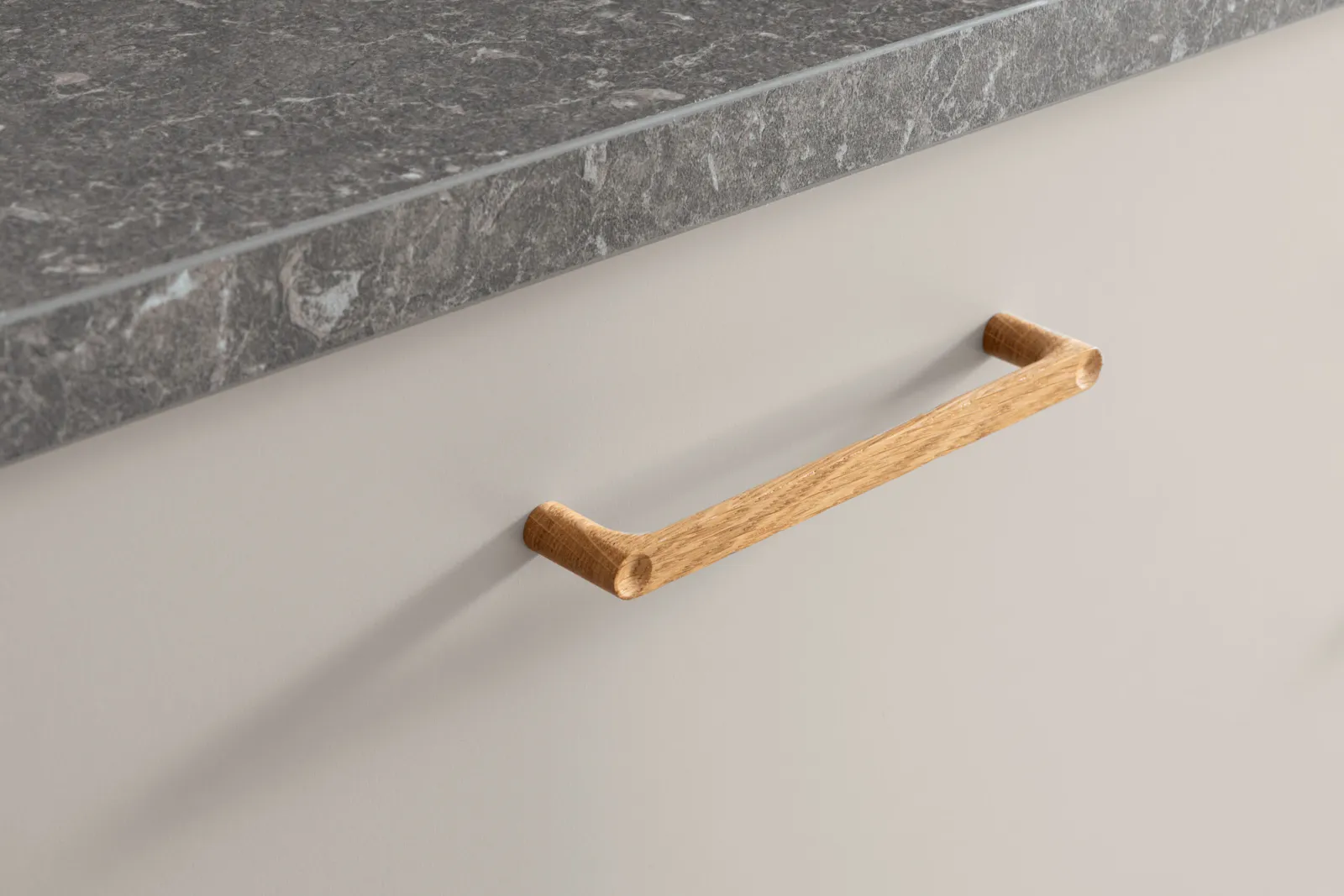
An essential element
Furniture fittings are no longer an invisible technical component in the kitchen. Far from it. Choosing the right fittings is also a design decision, a matter of comfort and a statement of sustainability. Make them an essential part of every conversation with a consumer and every new kitchen design.
Question about this story? Ask your question
Keep following this
Get an email when a new story is published. No account needed.
- ThemeCabinet storage that works better
- SubjectGeneral