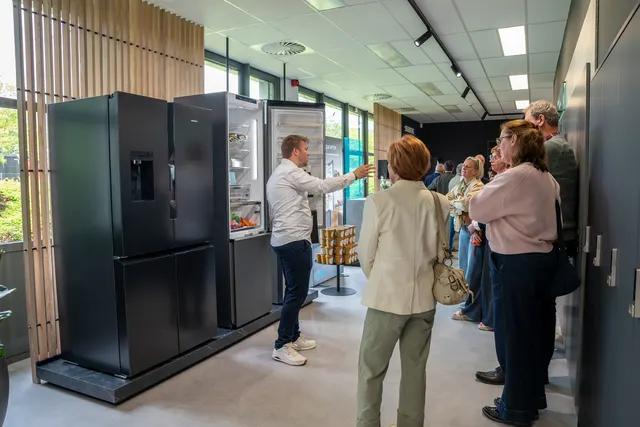
Cooling and freezing in a new guise
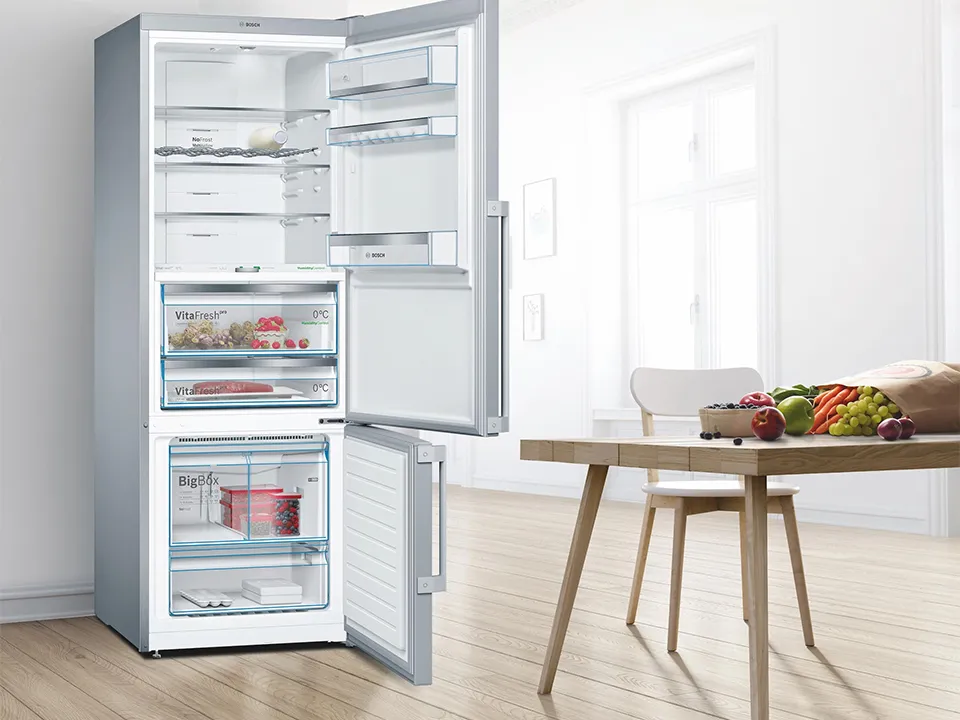
It looks set to be a busy year for fridge and freezer manufacturers.
On the one hand, they have to meet stricter energy labelling requirements; on the other, there are the many trade fairs (hopefully) taking place this year, where all the latest developments in refrigeration and freezing will be on show.
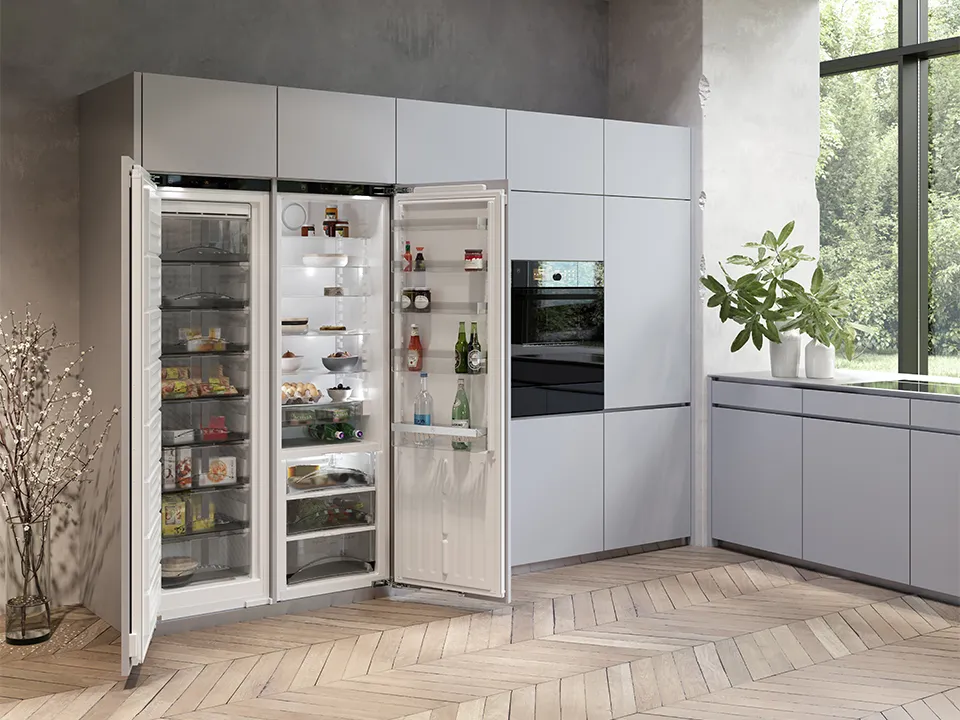
Fridges and freezers come in all shapes and sizes. Manufacturers take into account the space available in the home in general and the kitchen in particular, and offer a wide range of sizes, both freestanding and built-in. Options range from compact built-in models combining a fridge and freezer compartment to huge appliances capable of holding enough food for an entire army. Everything in between is available, of course. Built-in or freestanding, you can choose from a vast portfolio of brands and appliances.
Why the change?
The energy labels are changing. They were first introduced around twenty years ago. An A rating rewarded an energy-efficient product, while an F was a clear signal that its energy efficiency needed to improve. Over time, the letter-based scale proved insufficient. A+, A++ and so on were added, which was not always clear to consumers. From 1 March 2021, the labels will be used both online and in physical shops. Retailers will then have 14 working days to replace all the energy labels. You will notice that existing appliances, if left unchanged technologically, score significantly lower under the new energy label. The requirements are stricter, so the results are less favourable. From now on, the EU will take account of the appliance type, how it works, room temperature, and the number and size of compartments. Another new feature on the label is a QR code in the top right-hand corner. Scan it to access a database of technical specifications. This is additional, official, non-commercial information collected in a European database and therefore accessible to all European citizens.
Special features
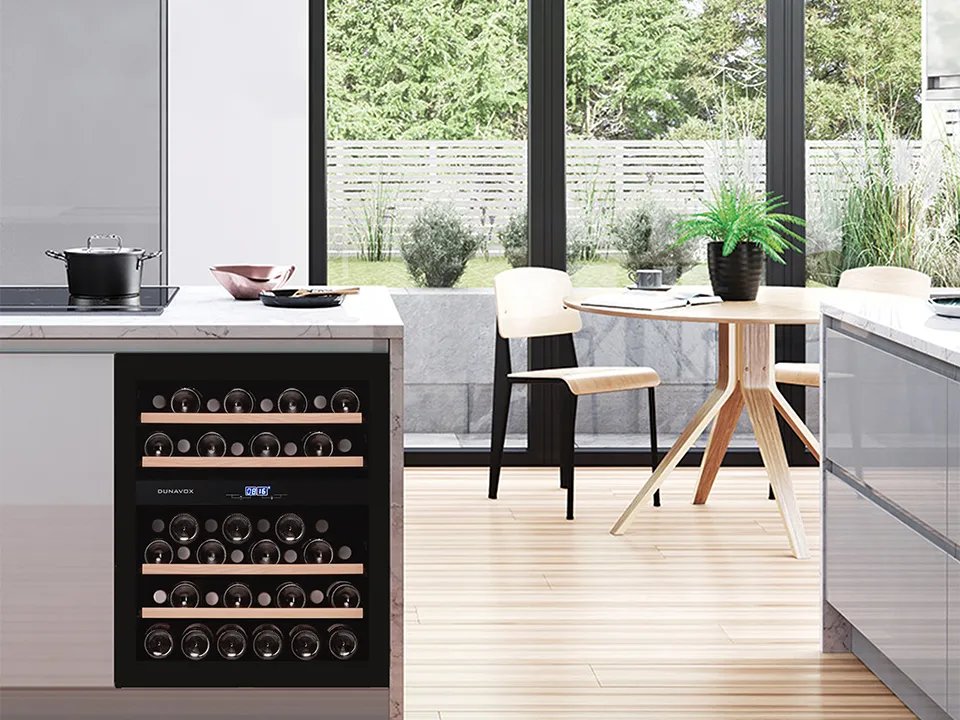
Manufacturers of refrigeration and freezing appliances have been busy in recent months, as have makers of wine cabinets. They have been working on technical improvements to make their appliances even more energy-efficient. They are also focusing on the features that make fridges and freezers even more convenient to use. These include dedicated cooling drawers for vegetables, the option to turn a freezer compartment into a standard fridge compartment or vice versa, easily adjustable shelves that can be moved up or down, integrated LED lighting and technical innovations that let you see the contents of your fridge on a smartphone, among other things. “The appliances in showrooms are due for replacement, so there is work to be done,” we hear in our discussions on the subject.
Points to consider
The trend for black will also remain prominent in the (near) future. We do not expect black to disappear from the scene any time soon, either on freestanding or built-in models, although other finishes will remain available too. Manufacturers and retailers also continue to see that people with the space often opt for a smaller fridge-freezer in the kitchen, complemented by larger appliances in a utility room or storage area. This creates more storage space and a clear distinction between everyday items kept in the kitchen and less frequently used items kept elsewhere.
And hopefully the trade fairs will go ahead this year, with plenty of cooling and freezing delights to enjoy.
Source: MHK, Royal Crown, Samsung
Question about this story? Ask your question
Companies in this story
Keep following this
Get an email when a new story is published. No account needed.
- ThemeTailored refrigeration and storage
- SubjectGeneral
- CompanyRoyal Crown