Independent, with a support network
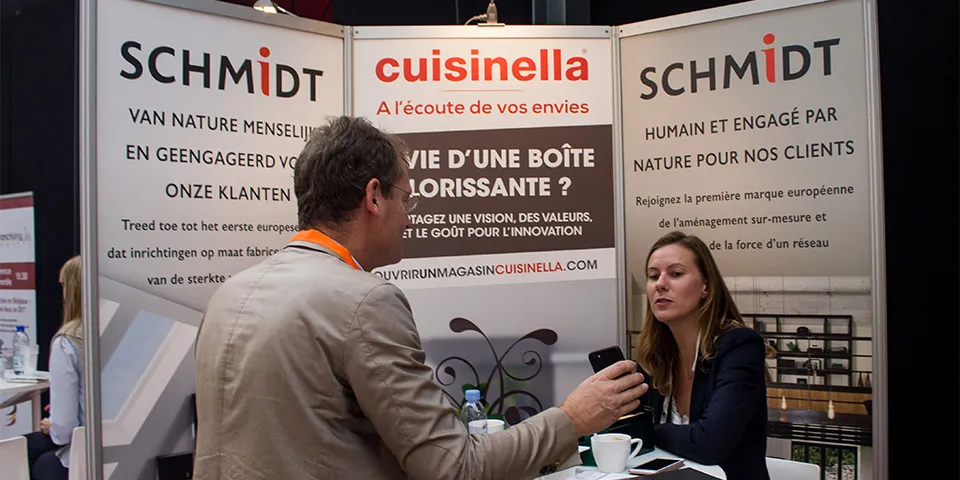
Many people dream of it, but few dare to take the plunge. Setting up your own business and turning it into a success story takes plenty of courage, perseverance and, above all… passion. For many, franchising may be a lifeline. As a (new) entrepreneur, you benefit from the support of a strong, established brand.
In a franchise arrangement, an entrepreneur (also known as the franchisee) and the owner of a trade name (or franchisor) enter into an agreement. In return for an agreed fee (the franchise fee, ed.), the franchisee is allowed to operate a business under that trade name. The business may look like a branch of the chain, but there are, of course, significant differences. The key distinction is that a chain’s branch is run by one of its employees, or by the chain itself. A franchisee runs their own business as an independent operator.
Dos and don’ts
It goes without saying that a franchise agreement covers more than just the fee payable for the right to use the trade name. It also goes without saying that each franchise agreement is discussed, approved and signed separately. Typical provisions include the obligation to sell only the franchisor’s products, to fit out the premises in line with the franchisor’s brand identity, to comply with the franchisor’s terms and conditions, and to guarantee quality.
Your own boss, with a partner’s support
Franchisees are and remain independent operators, so they are still their own bosses. However, they do benefit from the concept. The name and/or brand’s recognition gives them a welcome boost, especially as that recognition is further supported and protected by the franchisor’s marketing activities. The franchisee also receives the exclusive right to use the trade name in a defined area. That does not mean everything will immediately run smoothly, or that any success achieved during the start-up phase will last. Franchisors generally provide regular staff training and coaching for franchisees.
Across every sector
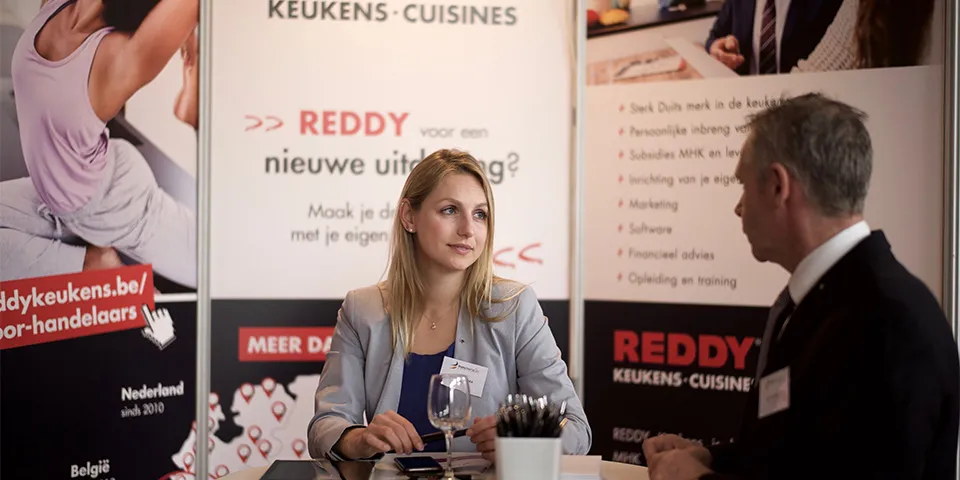
Franchising is not limited to a handful of sectors. The model can be applied almost anywhere. Think of the many supermarket chains (such as Albert Heijn, Spar, …), fast-food chains (Burger King, McDonald’s, …) and other well-known names such as Veritas, Lunch Garden, Heytens and Brico. The kitchen sector has examples of its own, too. Take Grando, which you can read more about below, as well as Kvik, Mobalpa, Reddy (a concept developed by the buying group MHK), Ixina, …
Detailed information available
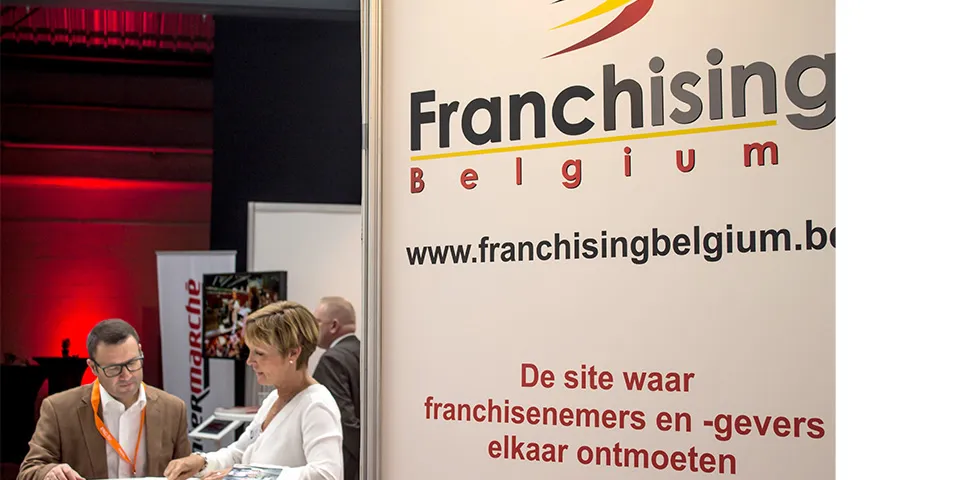
Both (prospective) franchisees and franchisors can visit www.franchisingbelgium.be. Developed by the Belgian Franchise Federation (https://www.fbf-bff.be/), the site is a meeting place for franchisees and franchisors. Alongside the latest news, it brings together a range of practical guides. Companies wishing to showcase their franchise model can do so on the website.
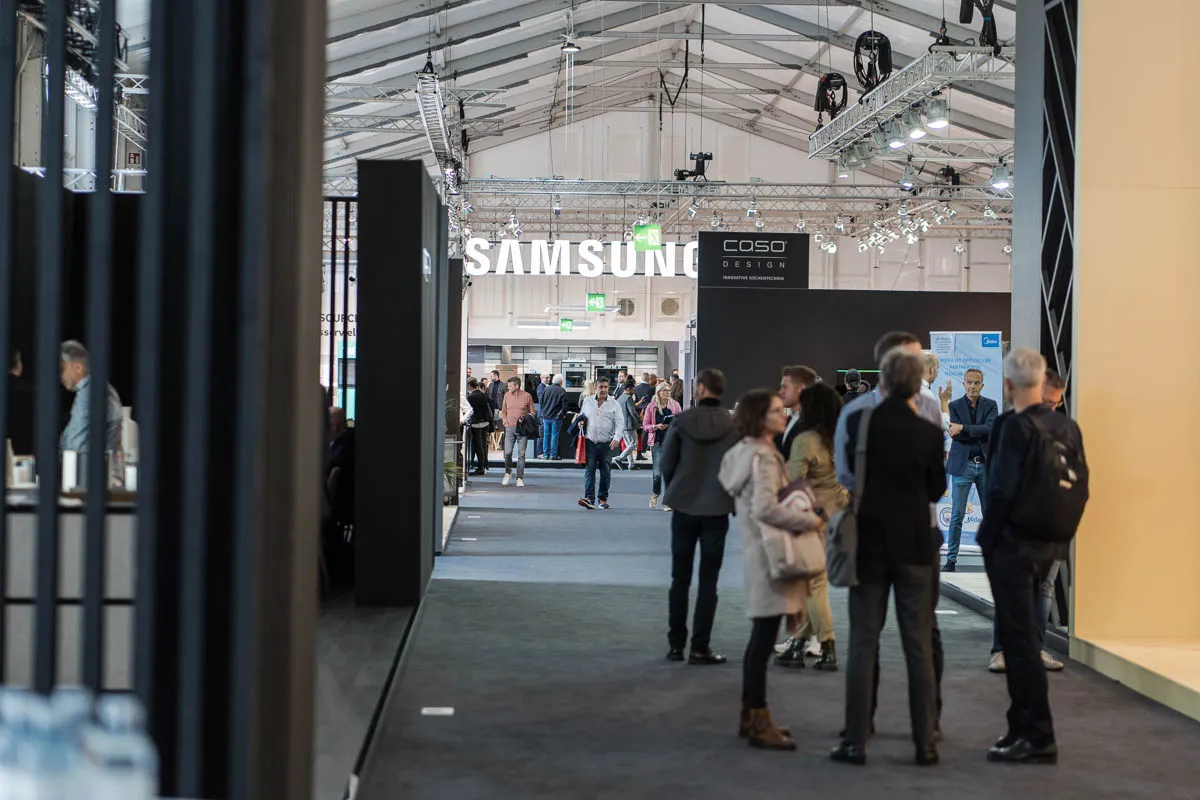
The Belgian Franchise Federation also organises a Franchising Belgium Day. This year, it takes place in Liège on Thursday 10 October. With conferences, workshops and one-to-one discussions with around 40 exhibitors, aspiring entrepreneurs can find out everything they need to know about the world of franchising.
Question about this story? Ask your question
Keep following this
Get an email when a new story is published. No account needed.
- SubjectGeneral