Sustainable domestic appliances go beyond low energy consumption
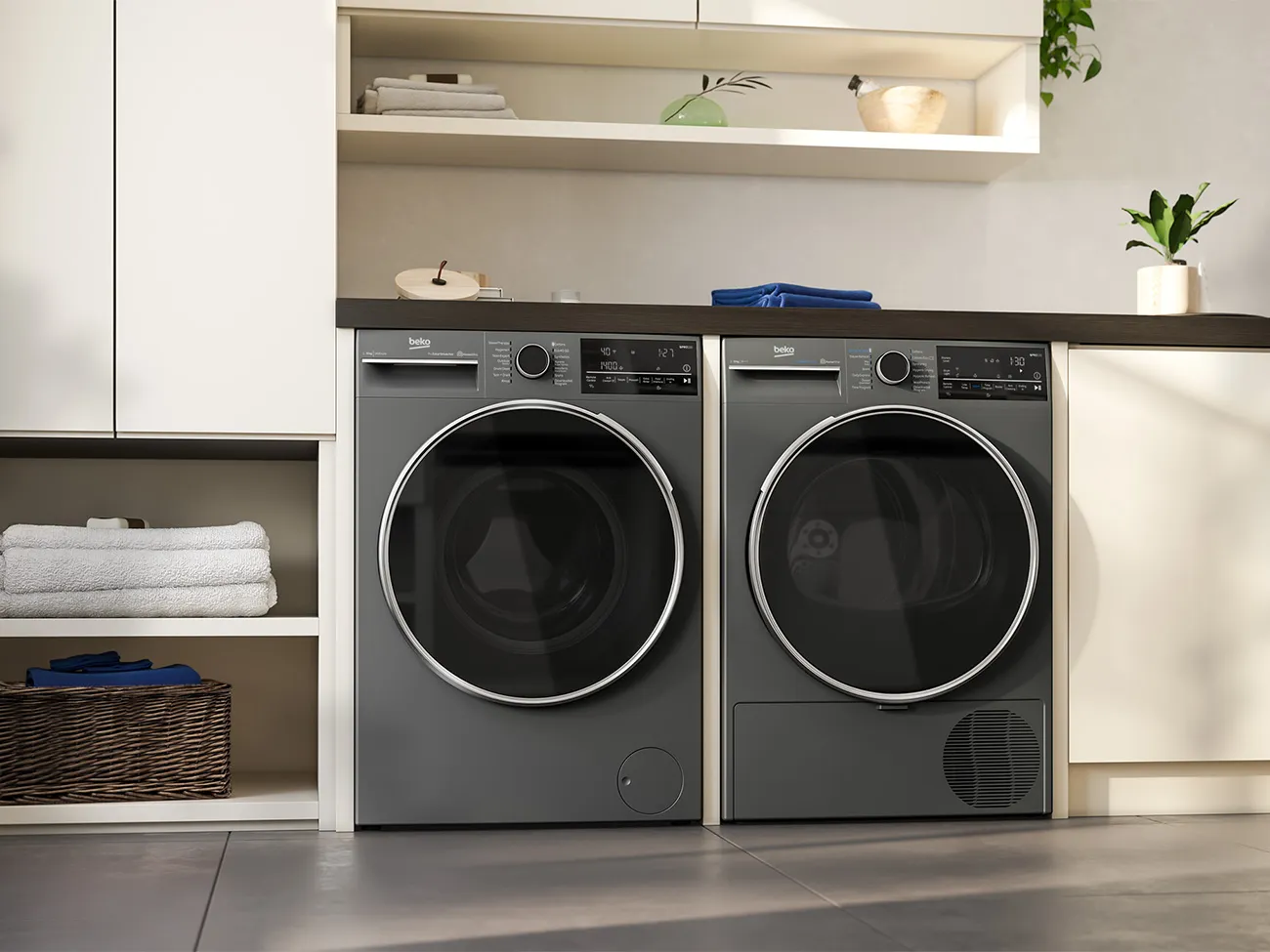
New domestic appliances are generally designed to be efficient and energy-saving. That is good for users’ wallets and for the environment. Beko considers this the bare minimum. Europe’s fastest-growing domestic appliance brand is going a step further and examining its entire production chain. Among other things, it is focusing on the use of recycled materials and bio-composites. Most washing machines and tumble dryers contain an average of 60 recycled PET bottles, while Beko turns eggshells into egg trays for its fridges.
Beko focuses on recycled materials and bio-composites.
Founded in 1955, Beko is now the fastest-growing brand on the European market. It is part of the Arçelik Group, which integrates sustainability into its business model in every possible way. Arçelik’s production facilities ranked 34th in the 2021 Global 100 Index by Corporate Knights1, the highest ranking for a home appliance manufacturer. This is reflected in Beko’s products, too.
“We do everything we can to operate carbon-neutrally in our production, but once our appliances are in customers’ homes, they also consume energy. That is the next step in our sustainability ambitions: making the use of our appliances as sustainable as possible. By 2030, among other things, we want to reduce our appliances’ water consumption by 45%. We are already using recycled materials, which helps reduce the footprint of our products,” says Hakan Bulgurlu, CEO of Arçelik, Beko’s parent company.
60 PET bottles in your washing machine and washer-dryer
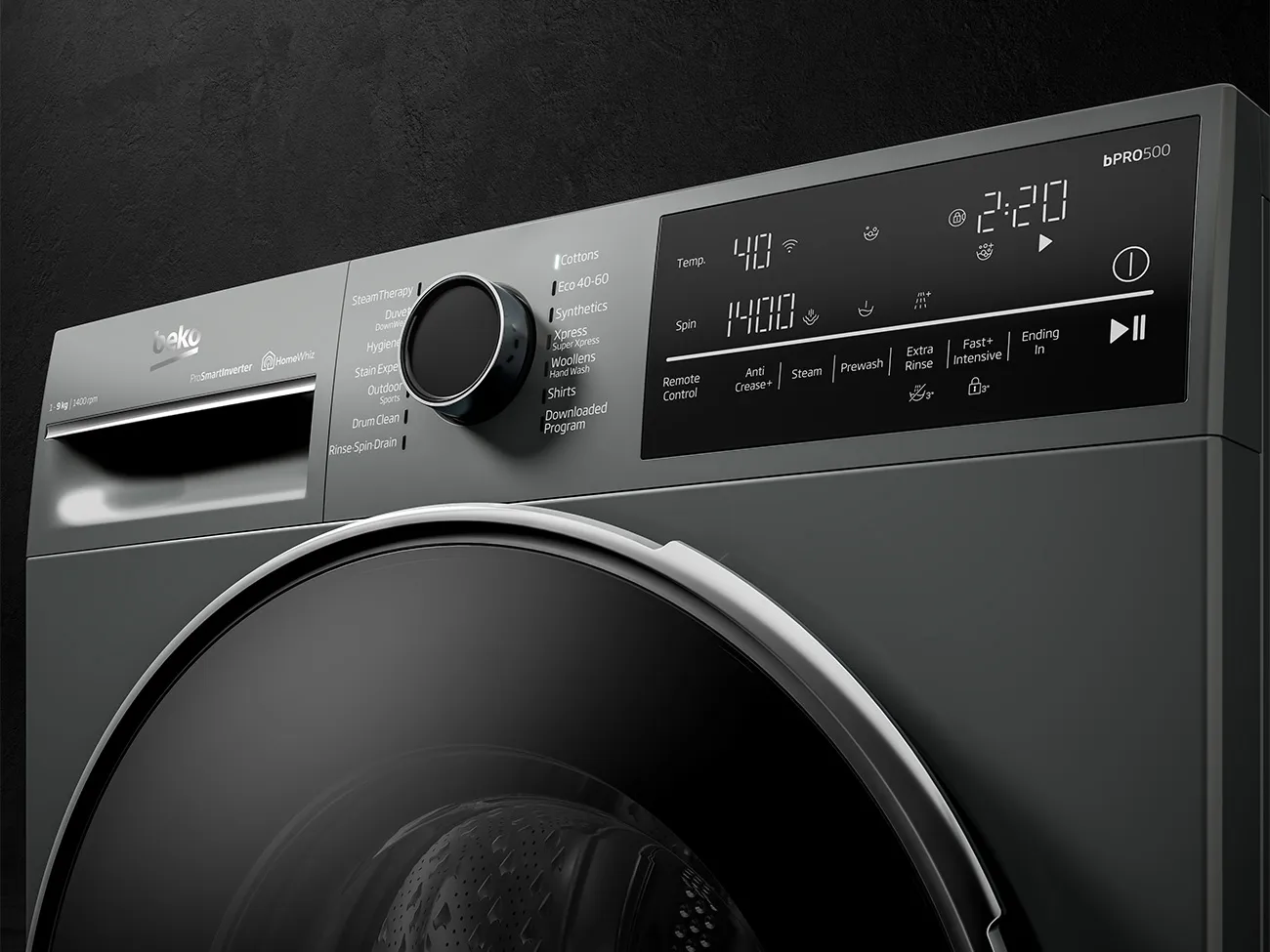
Beko was one of the first companies to successfully use recycled PET bottles in the tubs of both washing machines and washer-dryers. Recycled PET bottles make up as much as 10% of the drum in washing machines and 15% in tumble dryers. In practical terms, this means that around 60 recycled half-litre bottles are incorporated into your washing machine or tumble dryer. All Beko washing machines and tumble dryers bearing the RecycledTub™ label contain these sustainable materials.
Impact of using PET bottles, in figures (international figures since 2017):
• 58 million PET bottles have already been recycled in Beko washing machines and washer-dryers, enough for more than 400,000 appliances on the market.
• This has saved 5.7 million kWh, equivalent to 885 tonnes less CO2 emissions.
An oven made from recycled fishing nets
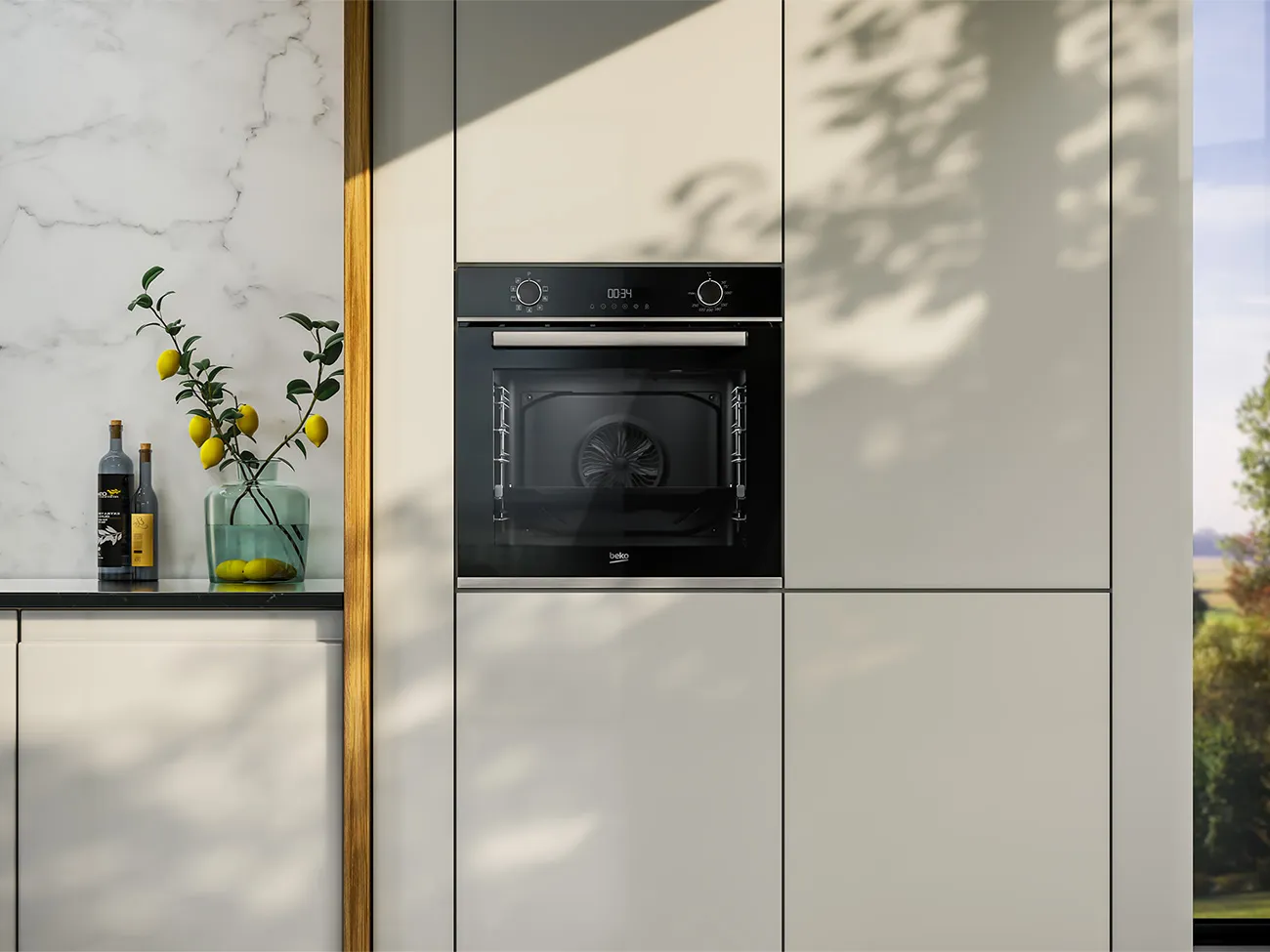
Using its innovative RecycledNet™ technology, Beko transforms recycled fishing nets and industrial waste yarns into durable materials that withstand high temperatures. The technology is now used in its ovens, particularly in components such as the door and display cover. In 2019 and 2020, 70.5 tonnes of recycled fishing nets were used in components for Beko ovens.
An egg tray made from eggshells
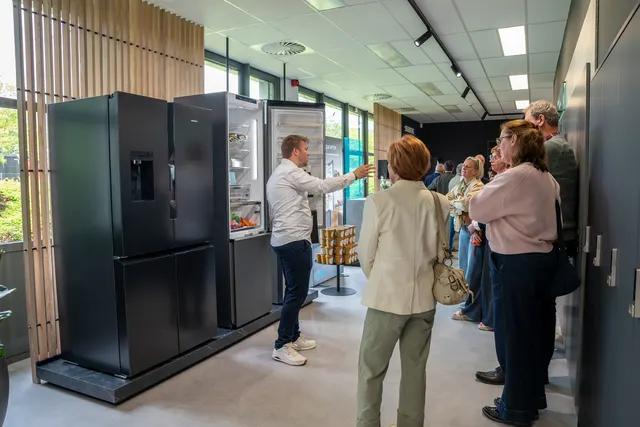
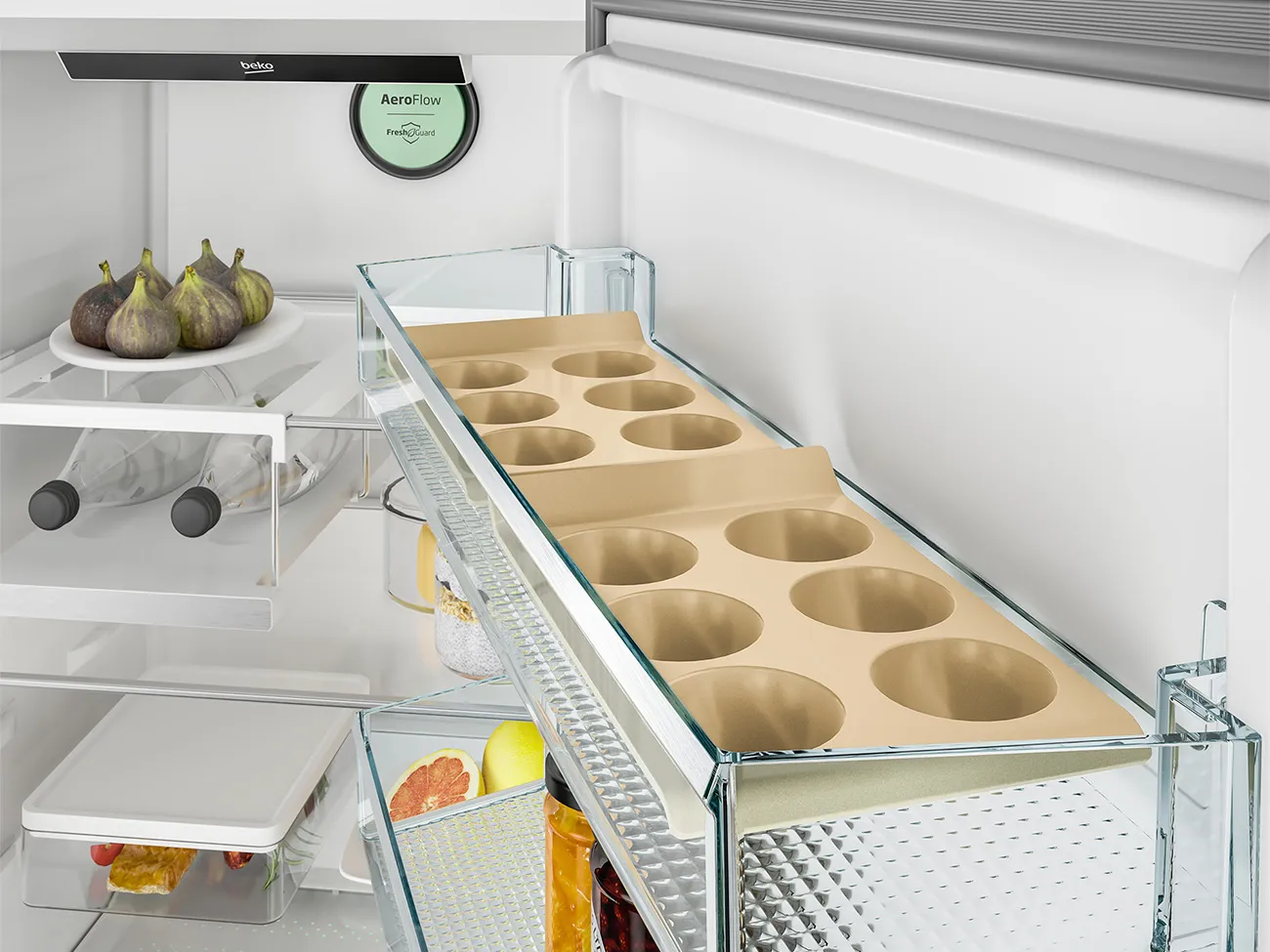
Finally, Beko is also using bio-composites, which are made from natural rather than chemical feedstocks. The egg trays in its fridges are made from eggshells and bio-based plastic produced from sustainably sourced starch and sugar cane. Each egg tray contains around 17g of eggshell. This technology is currently used in Beko Side By Side fridges.
Question about this story? Ask your question
Companies in this story
Keep following this
Get an email when a new story is published. No account needed.
- SubjectGeneral
- CompanyBeko