Developments in the sector
A positive look at the past, present and future
The kitchen and interiors sector has undergone a remarkable transformation over the past decades. Where we once relied on traditional craftsmanship and locally available materials, technological advances and globalisation have created new possibilities. This has led to more efficient production processes, innovative designs and a wider range of materials.
From craftsmanship to innovation
In the early years of the modern kitchen and interiors sector, the focus was primarily on craftsmanship and bespoke work. Kitchens were made by hand, often based on traditional designs and materials. The advent of industrial production brought about a revolution, with standardisation and economies of scale reducing costs and making kitchens accessible to a wider audience
.
The current state of play
Today, the sector is at the crossroads of technology and sustainability. Smart technologies such as IoT (Internet of Things) have made their way into our kitchens. Appliances communicate with each other, recipes are automatically adapted to the ingredients available, and energy management is optimised. This not only makes our daily lives easier, but also contributes to more sustainable household management. We are also seeing a growing trend towards sustainable materials and production processes. Consumers are increasingly aware of their environmental footprint, and manufacturers are responding with environmentally friendly solutions. Recycled materials, energy-efficient appliances and sustainable production chains are increasingly becoming the norm rather than
the exception.
Looking to the future
The future of the kitchen and interiors sector looks bright, with promising developments on several fronts. Digitalisation will continue apace, with even more advanced applications of artificial intelligence and automation. Think of kitchens that clean themselves or appliances that learn from your cooking habits to serve you better. The focus on sustainability will also continue to grow. Innovations in materials technology, such as biodegradable materials and circular production models, will become standard. This will not only further reduce environmental impact, but also open up new design and usage possibilities.
A positive outlook for the future
Although the 2023 sales figures for companies such as Dovy Keukens show that the market has stabilised at 2019 levels, the current climate also offers unprecedented opportunities for innovation and growth. Demand for sustainable and smart kitchens will continue to rise, and companies that respond to this can count on a loyal customer base. By working together, continuing to innovate and putting the customer first, we can take the sector to a new level. Ultimately, it is about creating kitchens and interiors that are not only functional and beautiful, but also contribute to a better world. This is not only a challenge, but above all an opportunity to make a positive impact.
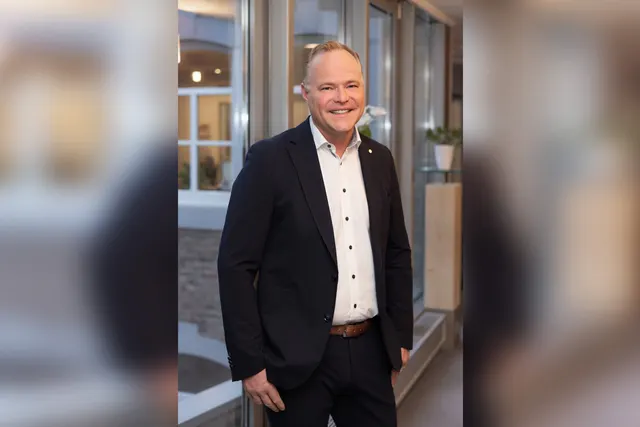
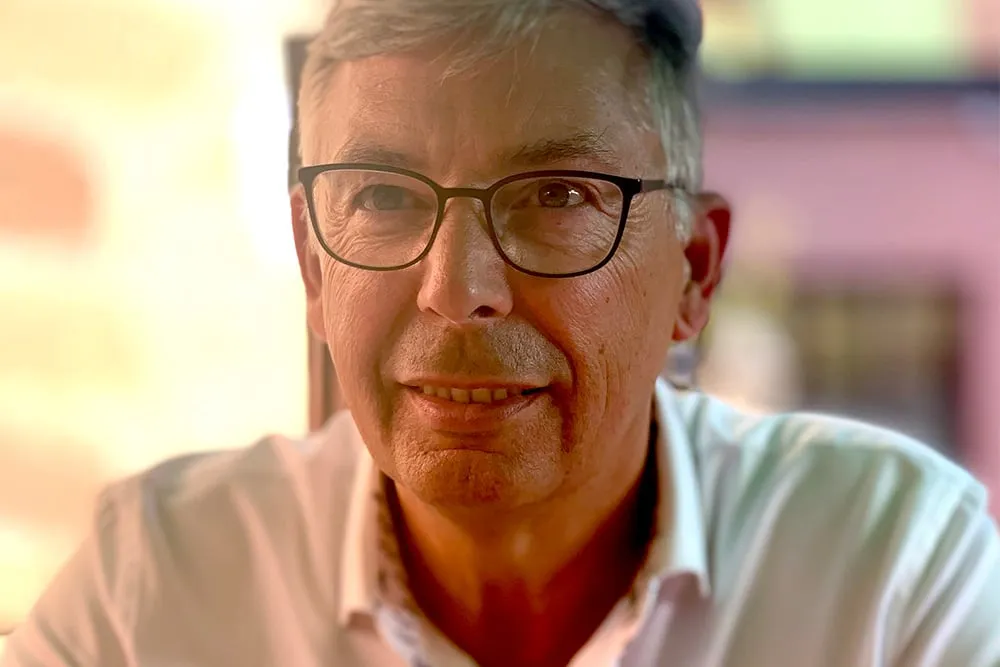
Stefan Maris, managing director of Artimar
Question about this story? Ask your question
Companies in this story
Keep following this
Get an email when a new story is published. No account needed.
- SubjectThe pen
- CompanyArtimar nv