The perfect combination of design and functionality
Text Tom Rampelbergh Beeld Bokmerk, Lechner, Diresco
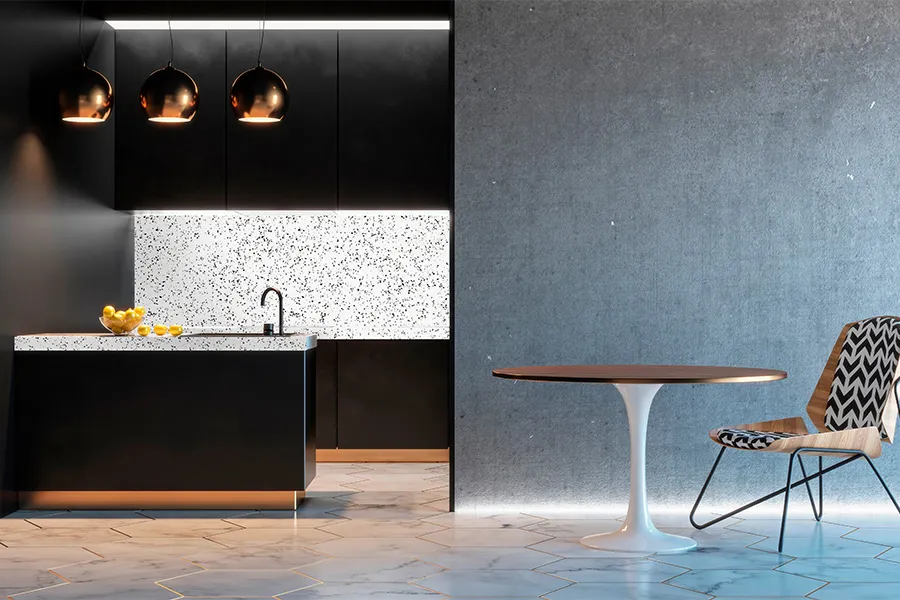
It may not be the first thing that comes to mind when you decide to install a new kitchen. But how do you protect the wall behind the sink and hob? Do we stick with traditional solutions such as splashbacks, or add a touch of innovation and design to a functional feature?
There is no need to explain the purpose of a splashback. The wall behind the hob and sink has to withstand a lot. If left unprotected, it will soon show splashes of water and grease. A simple coat of paint will not do. So, tiles? Or is there another option? In recent years, a considerable number of manufacturers have entered this product category, adding a touch of innovation and design to what had until then been a purely functional feature. The splashback can now also enhance the look of the kitchen.
Spoilt for choice
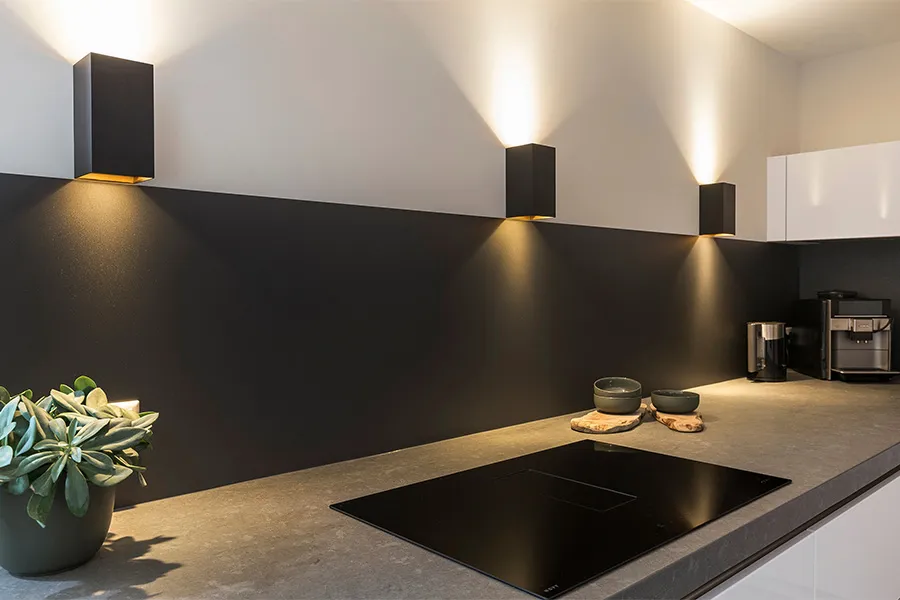
Which material should you use? It is another choice to present to the customer, and one that will once again affect the look of the kitchen. After all, the wall behind the hob and sink is bound to catch the eye. For completeness, tiles are also on the list. In certain types of kitchen, a tiled splashback is simply a must. But thanks to the excellent properties of materials such as aluminium and toughened safety glass, these are often chosen. Stainless steel is, of course, another option. A splashback material must first and foremost withstand high temperatures and moisture. For completeness, ease of cleaning should also be added to the list.
The look
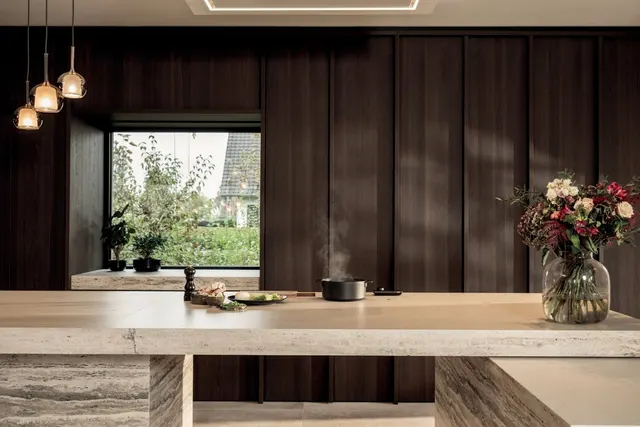
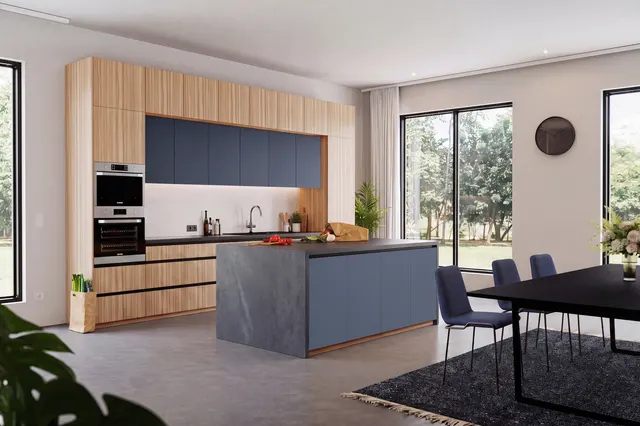
Like the rest of the interior, the kitchen is, of course, subject to trends in colours and materials. After several years of white and black dominating, for example, we are seeing green cautiously vying for third place among kitchen colours. Is this driven by the time people were required to spend at home during the coronavirus pandemic, and the desire to bring more of the outdoors in? Perhaps this is also why wood is appearing more and more in kitchens, adding warmth as an extension of the worktop or as the worktop itself. Wood, like concrete, cannot be used for a splashback. It cannot withstand high temperatures and/or moisture. But technology comes to the rescue. An aluminium splashback is a much more practical choice. And the fact that it can be given the look of wood, concrete, marble or another natural stone is an added bonus. What is more, the result is so realistic that many people only realise when they actually touch the splashback.
Perfectly personalised
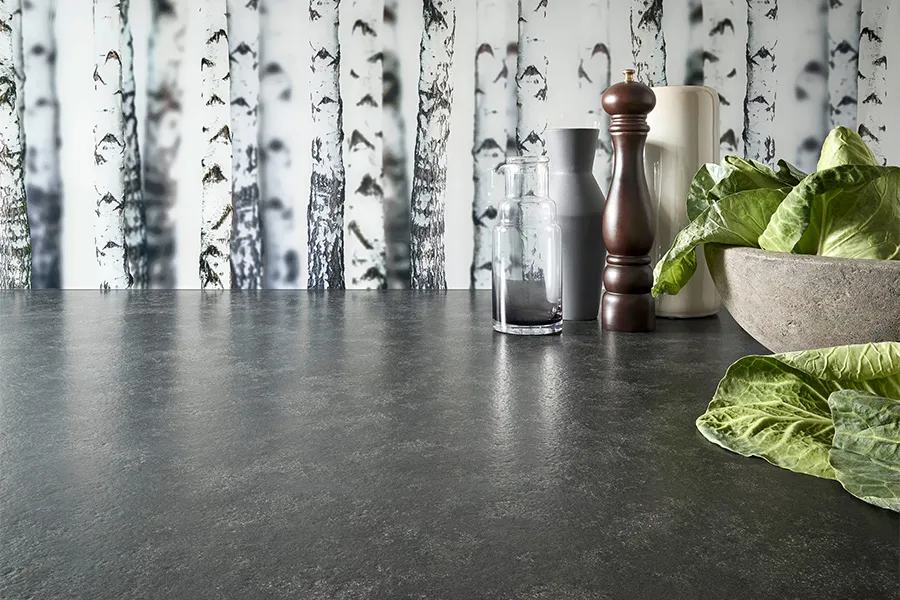
How about having a photo printed on a splashback? It is certainly technically possible, and adds a little life to the kitchen.
Would you choose a photo from the undoubtedly extensive database held by suppliers, or provide them with an image of your own? How lovely would it be, for example, to use a drawing by the children? Or a wonderful holiday photo? Or…? Just make sure you choose a timeless image, because replacing your splashback every so often just to change the photo does not seem like a good and/or sustainable idea.
Question about this story? Ask your question
Keep following this
Get an email when a new story is published. No account needed.
- ThemeCooking with smart appliances
- SubjectGeneral