The power of buying together, including for franchises
A buying group is not a franchisor. Buying groups secure market-based prices from suppliers by combining orders, while franchisees run their own businesses under a chain’s name. Of course, they do work together to strengthen one another.
The difference between a buying group and a franchise concept is clear. A franchise concept is, in effect, a chain of kitchen retailers all operating under the same name. Each shop is nevertheless an independent business, headed by its own owner. A buying group has no shops of its own, but does work with them. Kitchen retailers, including franchisees in a franchise concept, can become members of the buying group. This allows them to benefit from the advantages that Royal Crown, for example, can offer. “We combine our members’ orders and place them with the relevant suppliers,” explains Frank Rombouts of Royal Crown. “By pooling purchasing power and guaranteeing turnover over the longer term, we secure competitive purchase prices.”
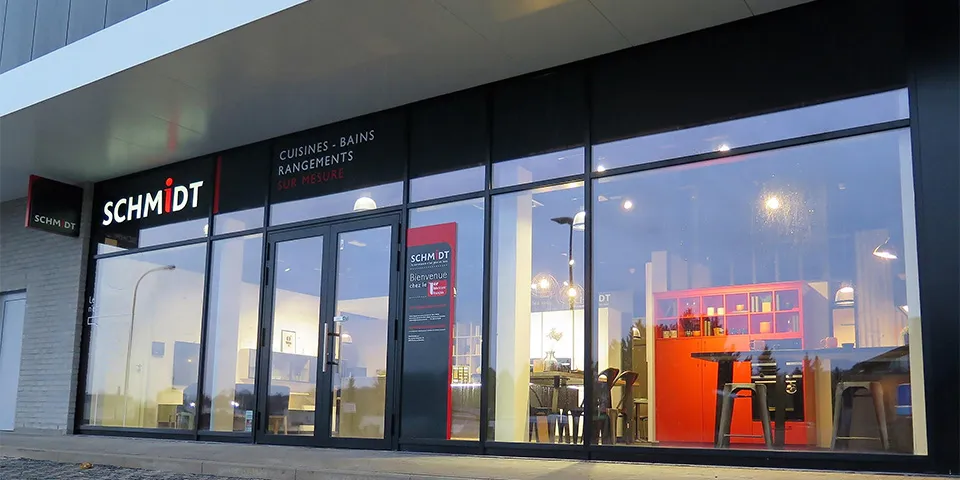
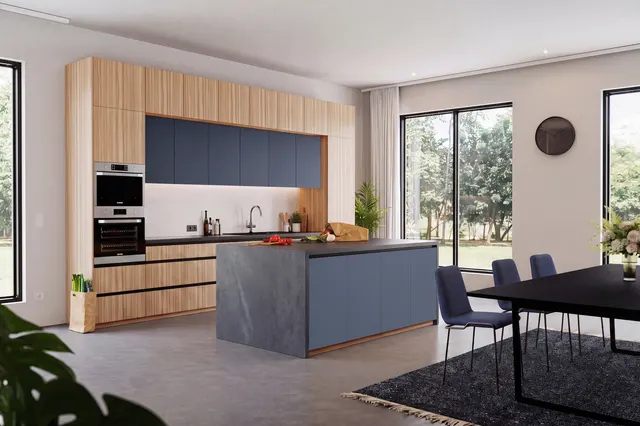
Royal Crown works closely with the Schmidt keukens franchise chain.
A change of direction
Royal Crown has a history in franchising. Rombouts: “That’s right. In the past, Royal Crown also operated a franchise concept. We wanted to give young entrepreneurs the chance to start their own business at a relatively low cost. They would later become full members of Royal Crown. We continue to work closely with independent kitchen retailers and manufacturers. Not under an umbrella brand as part of a franchise concept, but as a buying group, so they too can benefit from the best prices from suppliers.”
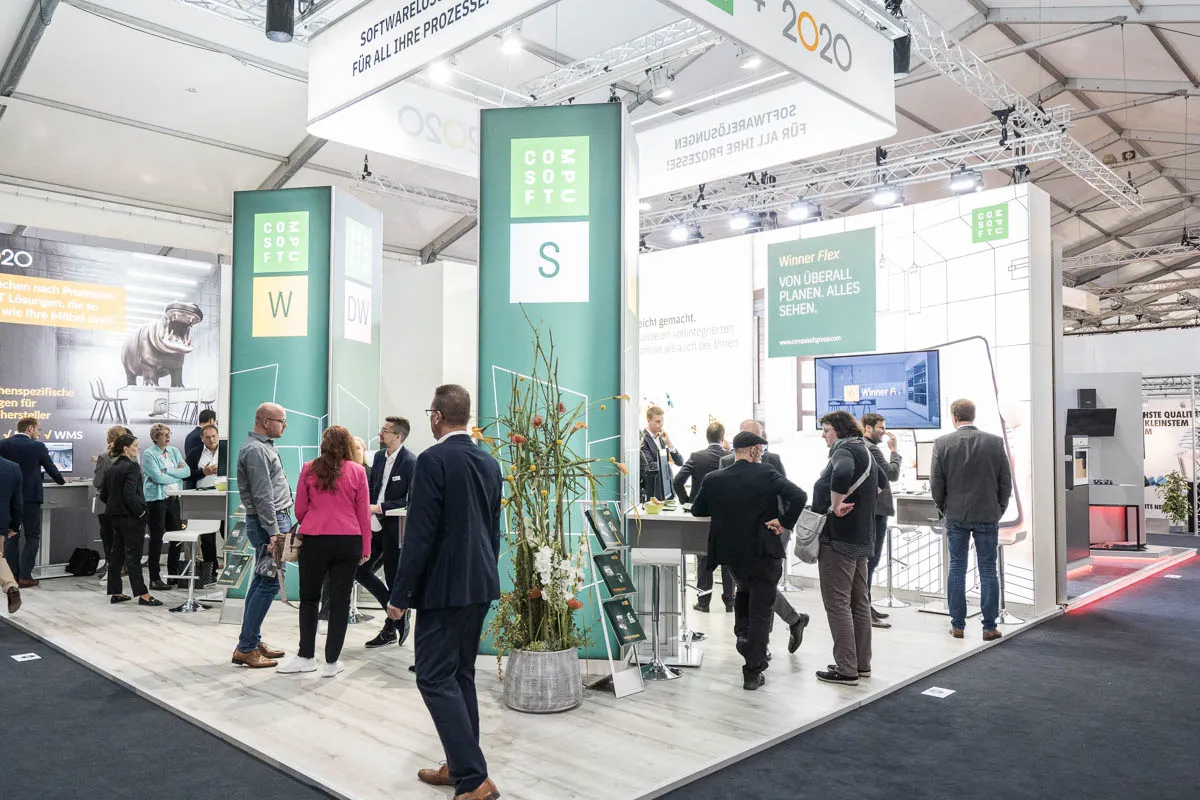
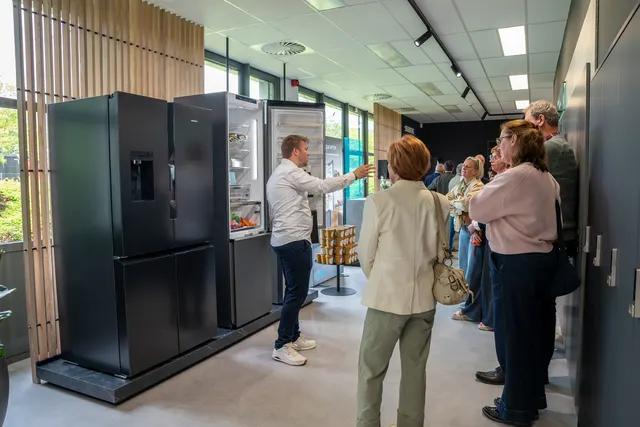
Today, Royal Crown’s 166 members account for a substantial share of Belgium’s kitchen market. (Photo: Geka Keukens, Oudsbergen)
Franchise or no franchise?
“Starting your own kitchen business has become a real feat of endurance,” Rombouts knows only too well. “There’s so much to do, arrange and keep track of before you can even get started. Just try finding a suitable location for your business, ideally with enough warehouse space to hold stock. Then, of course, you have to let everyone in the wider area know you exist. Advertising costs a fortune, especially if you’re not very familiar with the industry. Royal Crown helps address this, for example, with our own marketing department, which has nearly 25 years’ experience in kitchen and interiors communications. And that’s only the beginning. Planning and installing kitchens is, after all, the core business. That’s where the appeal of a franchise concept becomes clear. The umbrella brand is already well known, so making your name known in the region has effectively been taken care of. The franchisor helps find a suitable location for the business, and the franchisor’s warehouse also serves the franchisee, so that box is already ticked too.”
Solutions for members
Although Royal Crown no longer has its own franchise concept, Frank Rombouts does not rule out bringing it back. “But not traditional franchising, something a little different,” Rombouts stresses. “Franchising, Royal Crown-style, you could say. In the meantime, we continue to support our members in keeping their businesses running. In Flanders, people spend a considerable amount on a kitchen. We are also conscious of brands and quality, and look for reassurance. Owning a home is an achievement we are (or want to be) proud of. The interior of our (own) homes is becoming increasingly important, and that is where Royal Crown is focusing its efforts. We have also added decorative items to our portfolio, enabling our members to develop complete solutions.”
Question about this story? Ask your question
Companies in this story
Keep following this
Get an email when a new story is published. No account needed.
- ThemeBusiness in the kitchen industry
- SubjectGeneral
- CompanyRoyal Crown