And then there was light
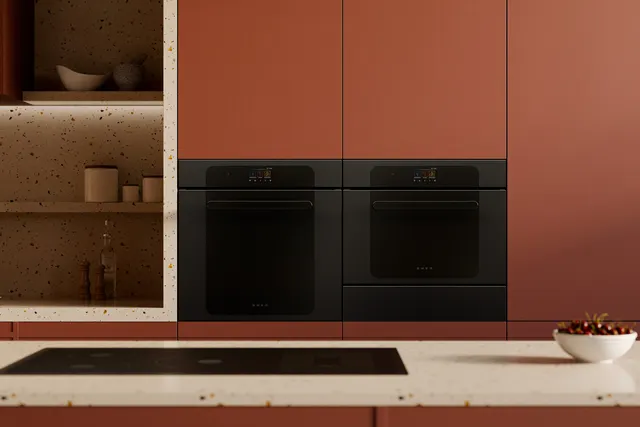
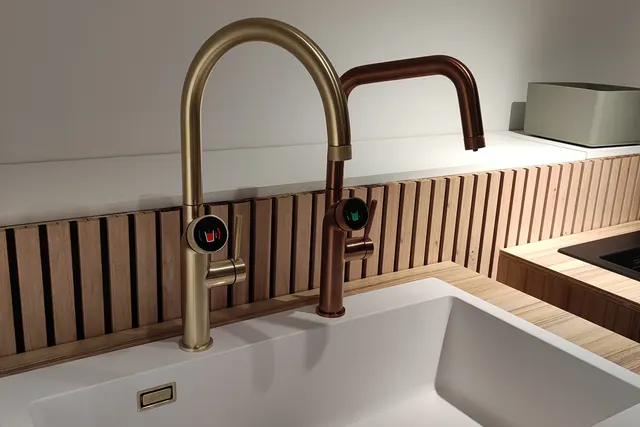
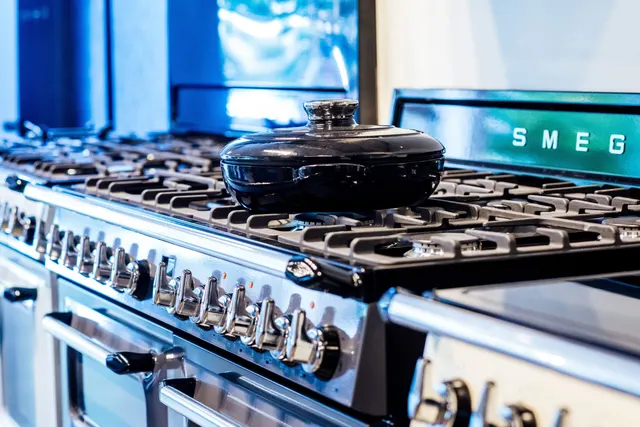
The oven, hob, worktop, taps, sink, dishwasher: a wealth of choices to make…
The oven, hob, worktop, taps, sink, dishwasher: there’s a wealth of choices to make when putting together a new kitchen. But don’t forget to consider the lighting, too. Saying that good lighting is important is a massive understatement.
Designing and planning a dream kitchen for a client always involves a long list of decisions, as well as constantly balancing them against the available budget. Which appliances should be included? What material should the worktop be made of? Where should each appliance go? Increasingly, clients are also asking whether the kitchen and living room should form one open-plan space, perhaps with
a kitchen island.
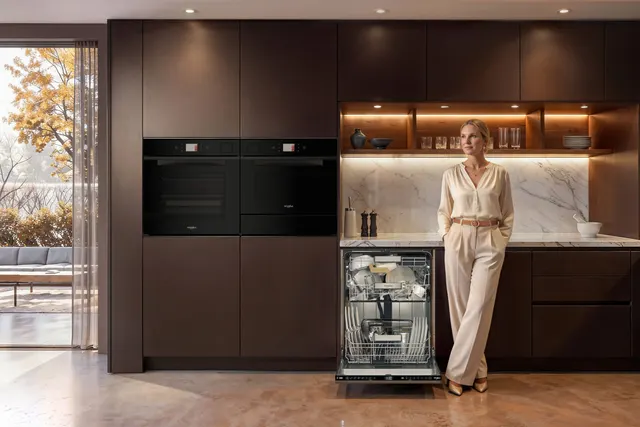
All these choices matter, but don’t forget the lighting. Nothing can be done without light, and there isn’t always enough natural daylight. Good lighting does much more than simply illuminate the worktop or table: light has a positive effect on people’s wellbeing. And since the kitchen is the heart of the home, its lighting should be up to the job.
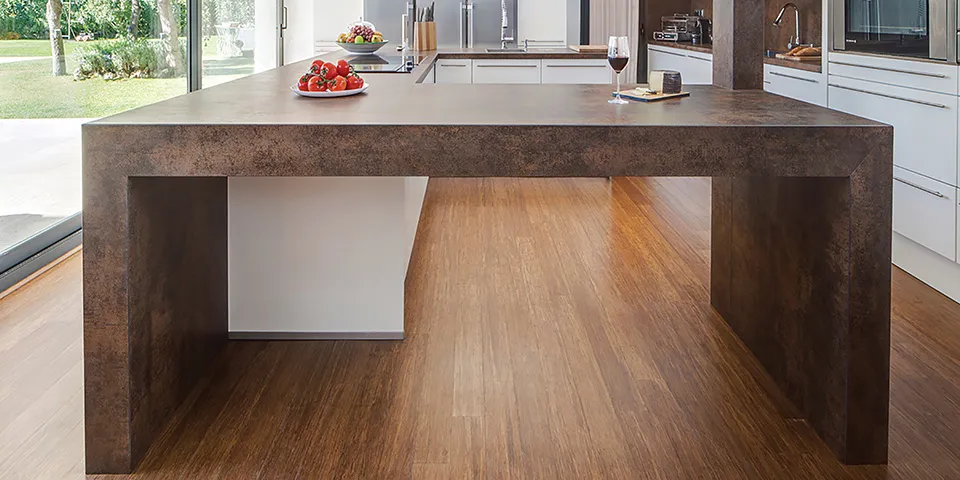
Make the most of natural daylight wherever possible.
Functional…
Where kitchens were once separate rooms used solely for cooking and eating, today almost everything happens in the kitchen. It is the beating heart of every home. The living room is now reserved for one thing only: stretching out on the sofa and relaxing. This means kitchen lighting needs to be viewed and designed differently. In a traditional layout without a kitchen island, the worktop and kitchen table are used in different ways. The worktop is where people work. Everyday cooking tasks are carried out there, so the lighting needs to be right. The kitchen table, meanwhile, is the focal point. It is where people eat, but also where children do their homework, people get creative, read the paper and chat about their day, among other things. Each of these activities calls for suitable lighting.
It goes without saying that working at the worktop requires enough light. But colour temperature also plays a part. Warm to very warm white light, from 1700K to 2700K, creates a cosy atmosphere and encourages relaxation. This colour temperature is best suited to the living room. In the kitchen, cooler white light of 3000K to 4000K is preferable, as it helps people stay focused without feeling too cold. Of course, it’s best to make as much use of natural daylight as possible. Our bodies still respond best to it, and it’s free.
… and cosy
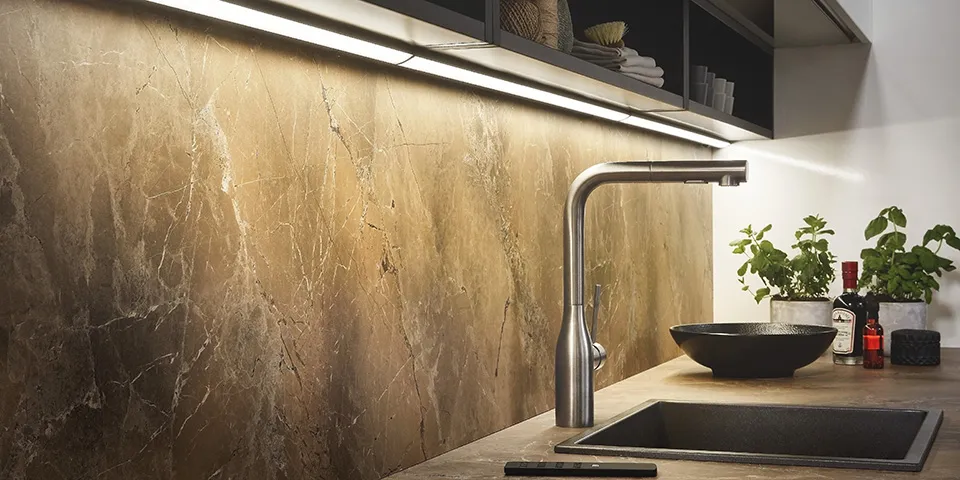
Today, many light sources can switch between different colour temperatures. This means they can provide the right light for carrying out a task, while also creating a cosy atmosphere once the task is done. More and more under-cabinet lights, whose primary purpose is to illuminate the worktop properly, offer this option too. Switch them to a warmer setting at the end of the day and you immediately have pleasant ambient lighting in the kitchen instead of a dark room. As kitchens and living rooms increasingly merge into one large space, it makes sense to consider the lighting for both rooms together. Ask a lighting specialist for advice. They can design a lighting plan tailored to the client’s preferences and how they use the space.
Question about this story? Ask your question
Keep following this
Get an email when a new story is published. No account needed.
- ThemeMaterials and finishes in balance
- SubjectKitchen appliances