Gas or induction?
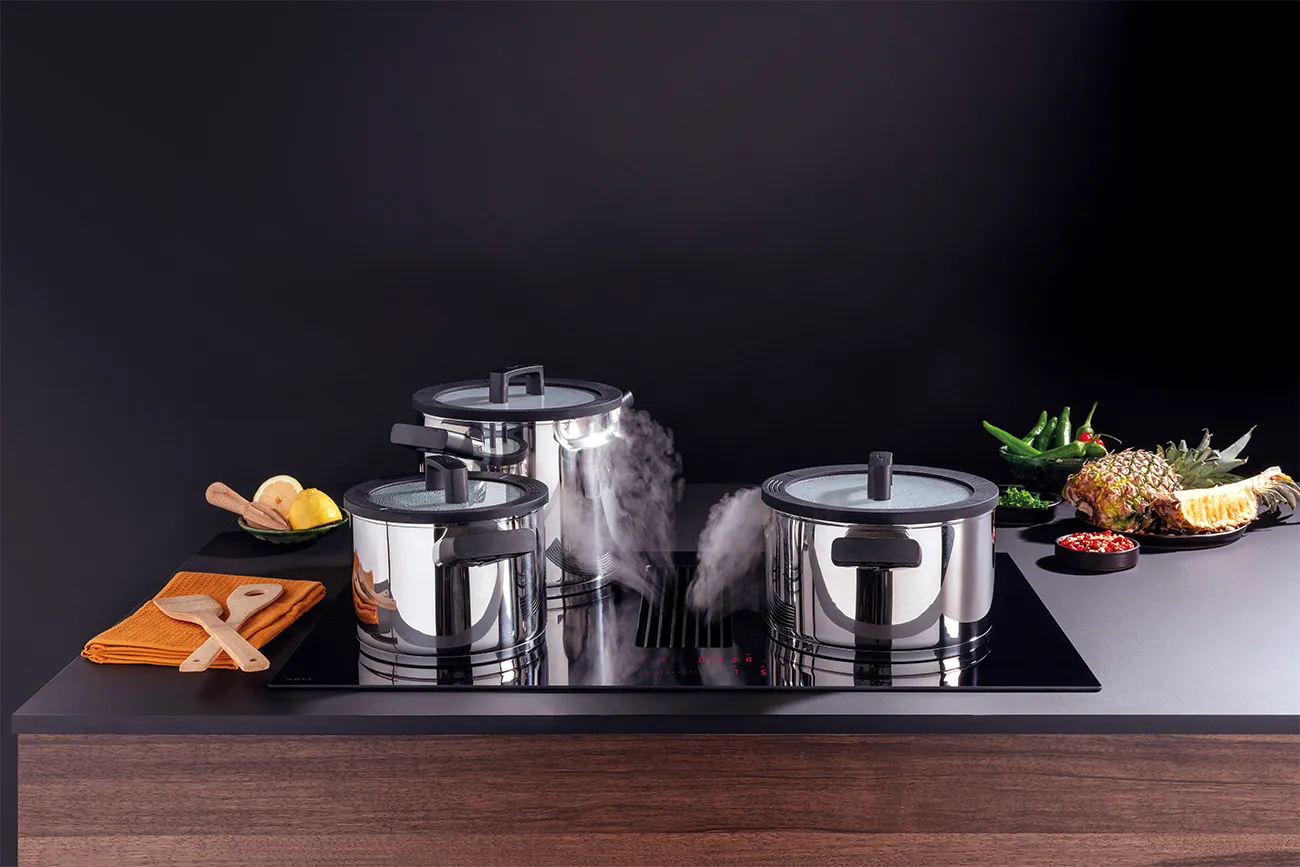
You don’t buy a new kitchen every five years. Consumers do it once, or perhaps twice, in their lifetime. It is a significant investment involving some important decisions. One of these key decisions is how to cook. Gas or induction? The purchasing organisation D. Engels recognises the importance of providing accurate information about both cooking options and, together with partners including Novy, wants to ensure every consumer is properly informed.
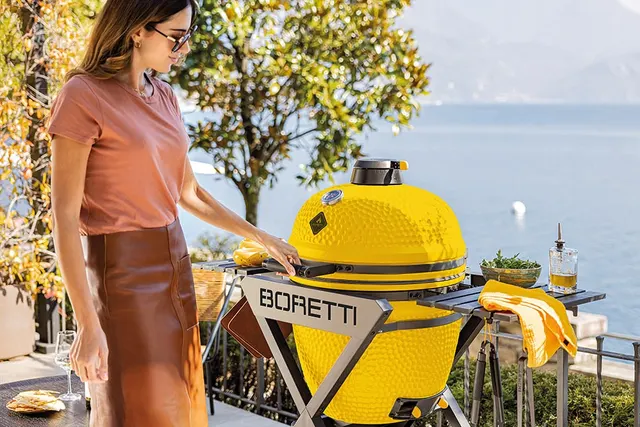
Let’s state the obvious: cooking on induction and cooking on gas are worlds apart. And we’re not just talking about the cooking experience, although that may well be one of the most important factors for the cook in the household. “There is one thing they do have in common,” says the purchasing organisation D. Engels. “Cooking on induction and gas is relatively straightforward in both cases.”
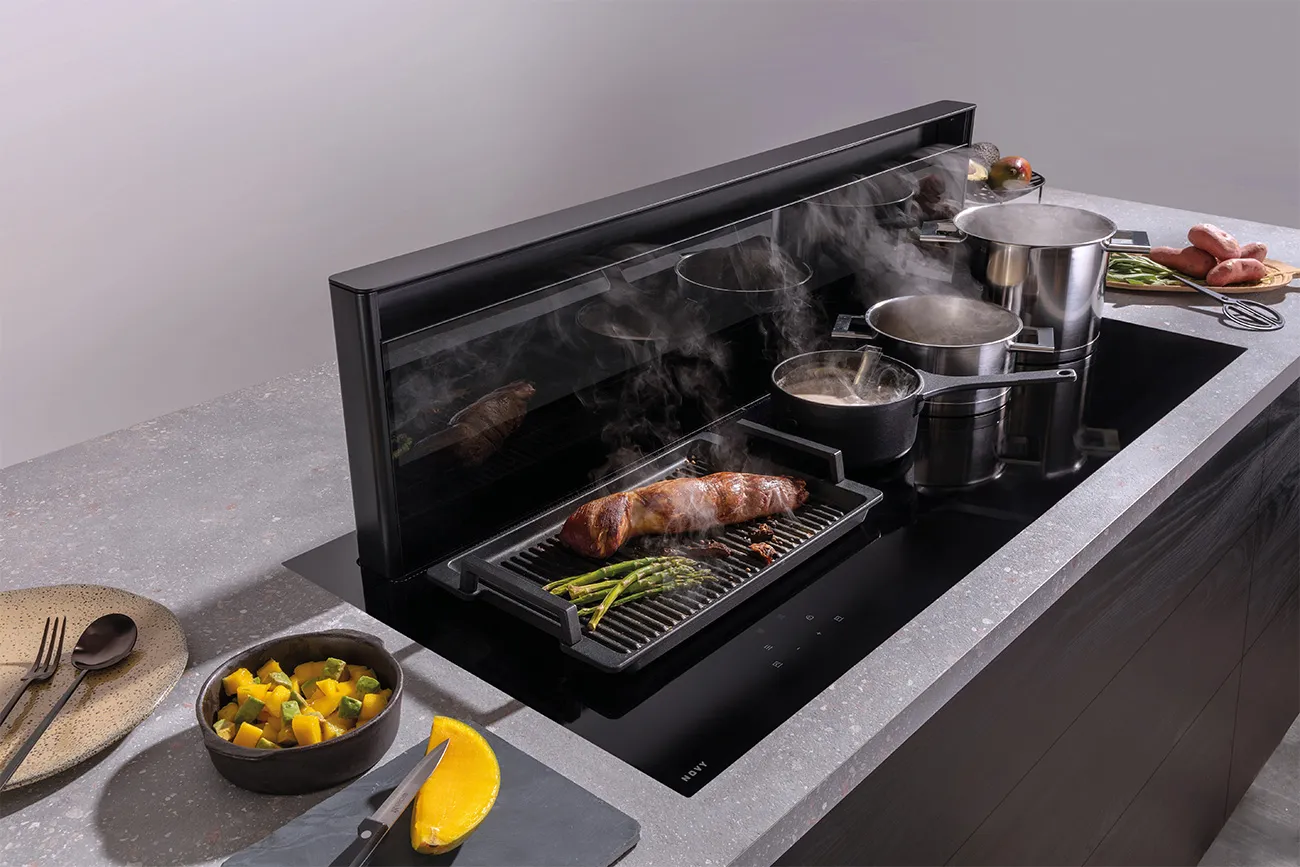
Gas versus induction
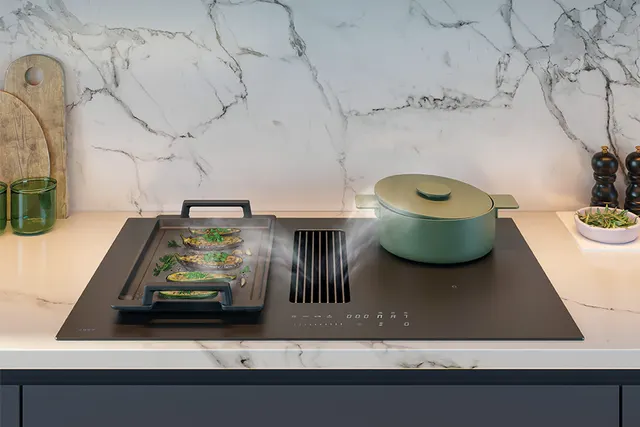
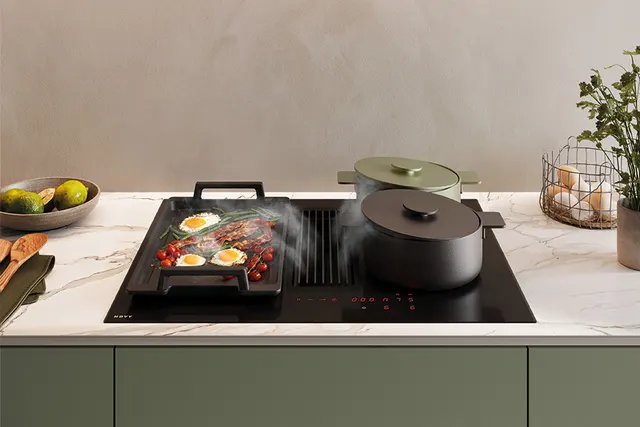
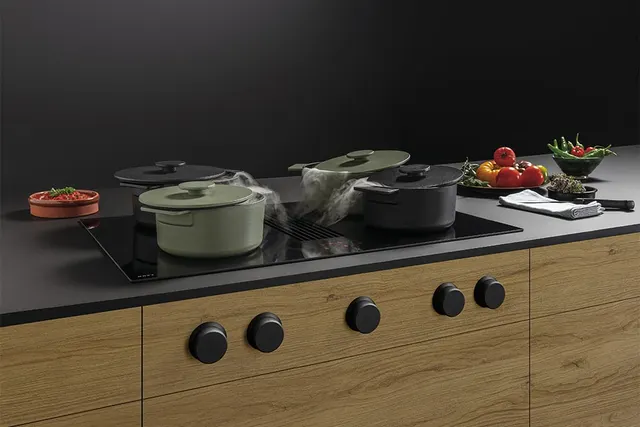
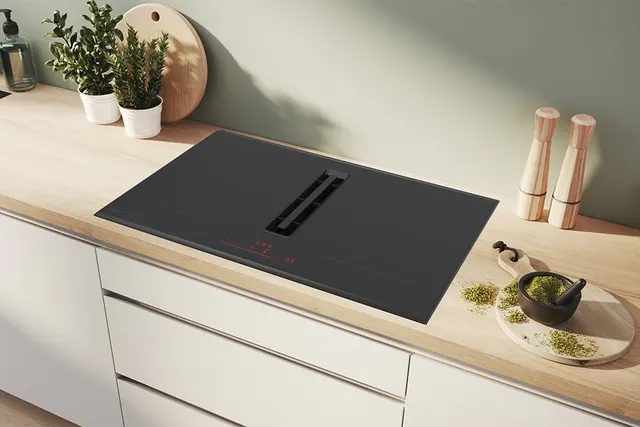
The difference between cooking on gas and cooking on induction is obvious to us kitchen specialists, of course, but we shouldn’t assume that everyone knows what it is. “That’s why we think it’s important to explain the difference every time, as simply as possible without being patronising,” says the purchasing organisation D. Engels. “Gas burners compared with cooking zones on a hob, controls for each gas burner versus a touchscreen on the gas hob for setting the heat levels, and the various functions integrated into induction hobs to lend a helping hand. And, of course, it’s important to cover maintenance and safety, as well as the new set of pans that will probably be needed if the choice is induction.” Since an induction hob uses electricity, the type of connection is also different.
Price battle
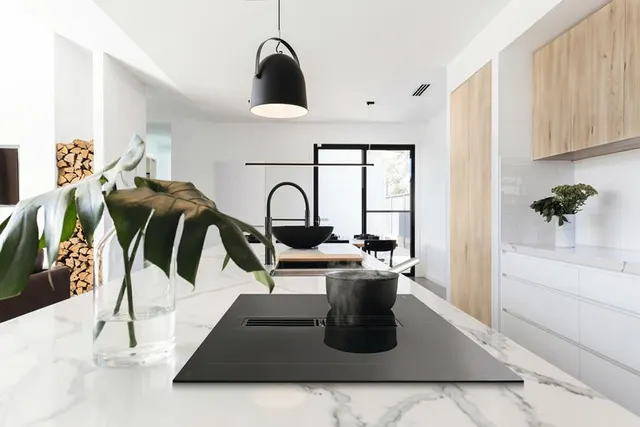
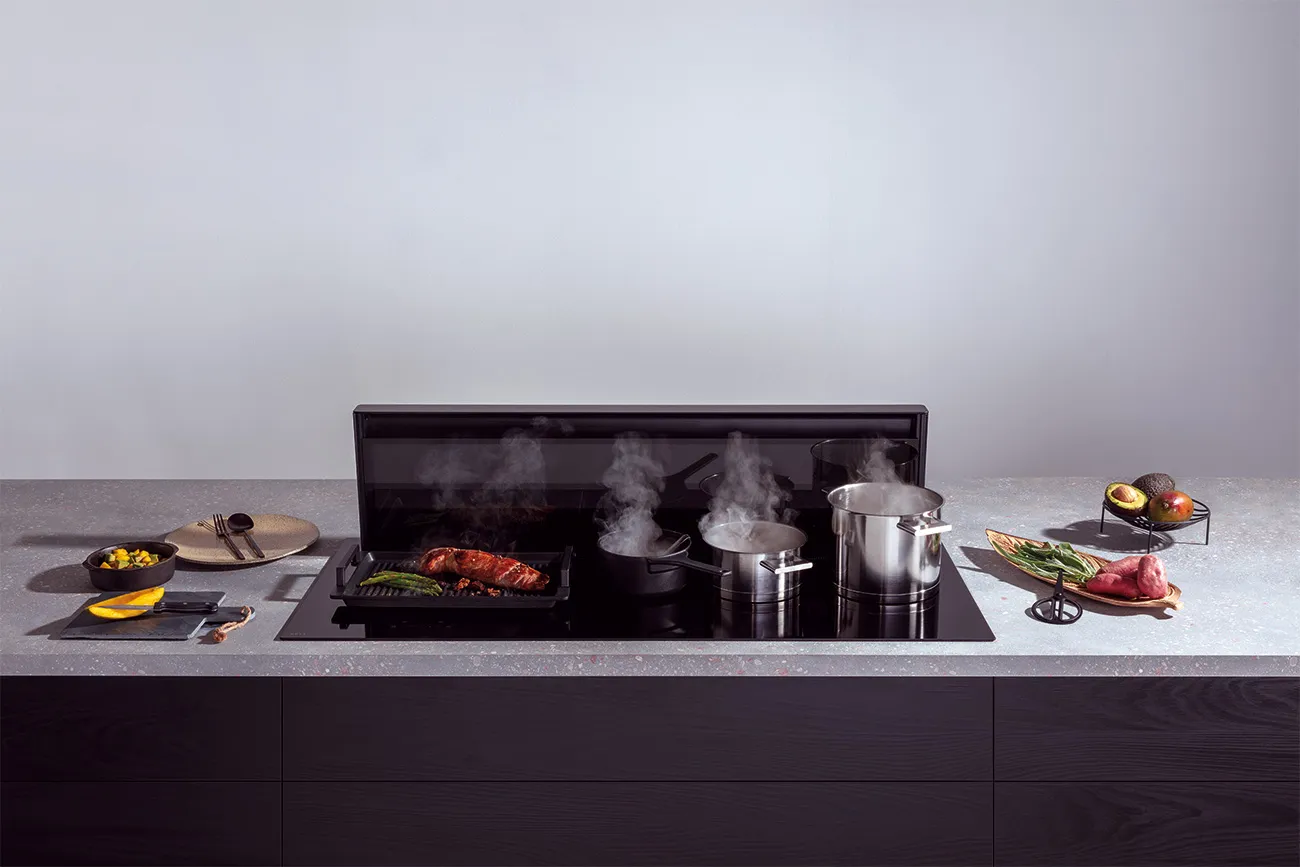
The biggest difference is the heat source: natural gas or electricity. With energy prices so high, this question has come increasingly to the fore. “Research shows that induction is the most energy-efficient option among all types of cooker,” says the purchasing organisation D. Engels. “Want to cook with the environment in mind? Choose induction. An induction hob may cost more to buy than a gas cooker, but with today’s high prices and induction’s energy efficiency compared with gas cookers, the balance may well tip in favour of induction again. Especially when you also take into account the extra functions that make cooking easier, the safety and the sleek appearance.”
Brushing up on knowledge
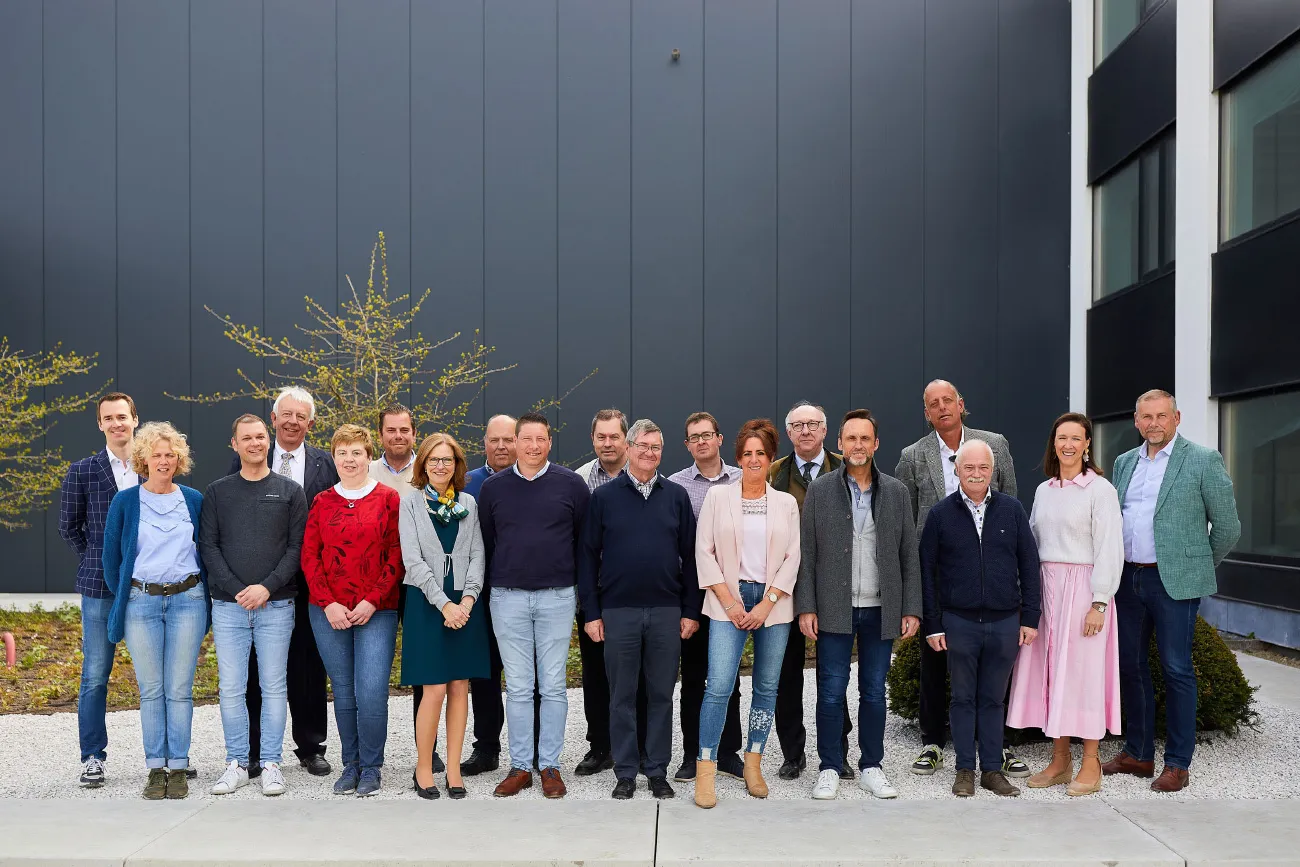
The purchasing organisation D. Engels sees itself playing an important role in the wider kitchen sector. “We place a strong emphasis on training across all the group’s divisions,” says Engels Academy. “For example, we have a great partnership with Novy, which links sales of products from its Premium Innovation Network to completion of a specific training course. Novy runs the course at its headquarters in Kuurne, and we also offer it at our new base in Malle. Those who complete the course and meet all the requirements are authorised to sell these products. They are also available through our revamped webshop, www.engels-electro.be.”
A business question for D. Engels? Get in touch
Companies in this story
Keep following this
Get an email when a new story is published. No account needed.
- ThemeCooking with smart appliances
- SubjectCooking appliances
- CompanyD. Engels
- CompanyNovy