Freestanding appliances: practical, high-performing and (back) in the spotlight
Text Tom Rampelbergh Beeld SMEG, Liebherr, ATAG
Freestanding appliances have been part of the kitchen landscape for as long as anyone can remember. In recent years, attention has shifted somewhat towards integrated solutions and built-in kitchen concepts. Even so, freestanding appliances continue to hold their own. The enduring focus on design and technological progress make every freestanding model a centrepiece, whether it is in the kitchen or elsewhere in the home.
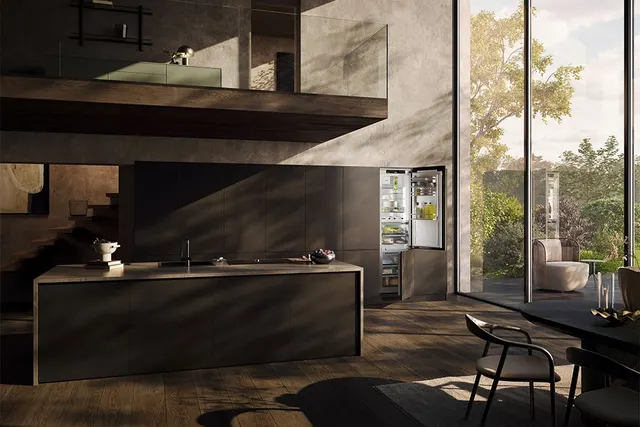
A freestanding appliance is often a practical choice. They are generally easier to install and, if necessary, replace, and of course require fewer, if any, structural changes to the kitchen itself. Anyone who needs a temporary or permanent solution will naturally turn to freestanding models. This is one reason why utility rooms are also growing in popularity: they are ideal spaces for adding extra appliances without cramming essential equipment into the ‘main’ kitchen.
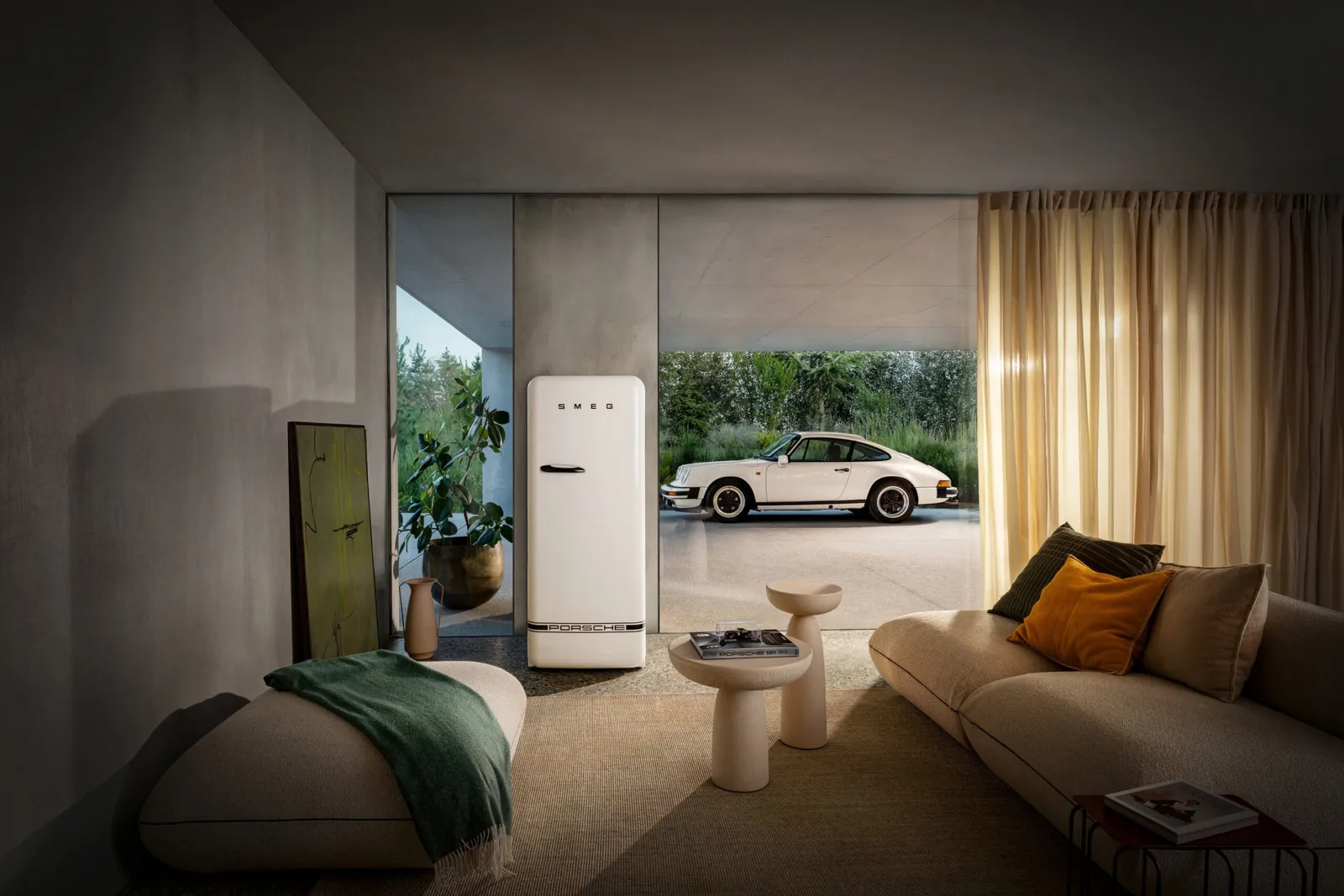
Centre stage
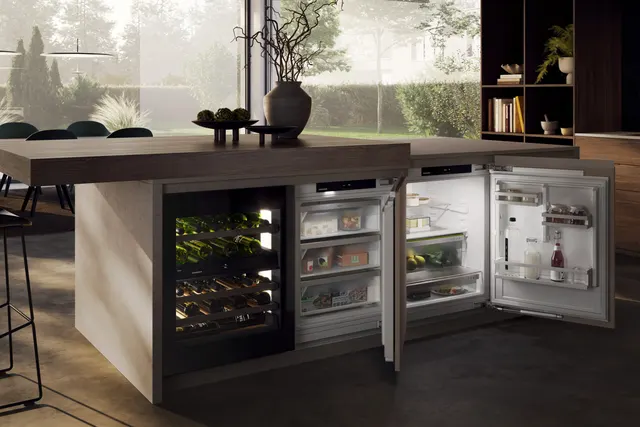
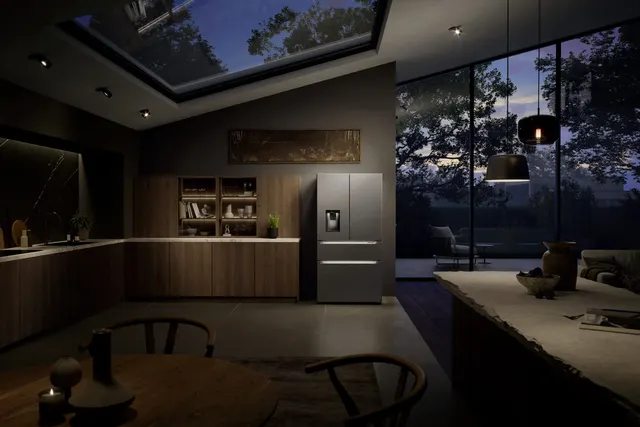
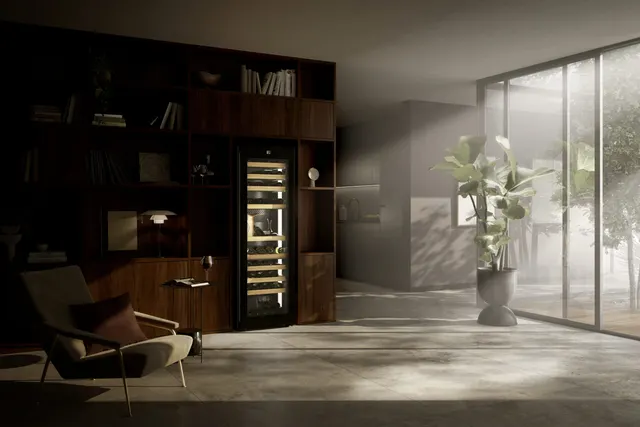
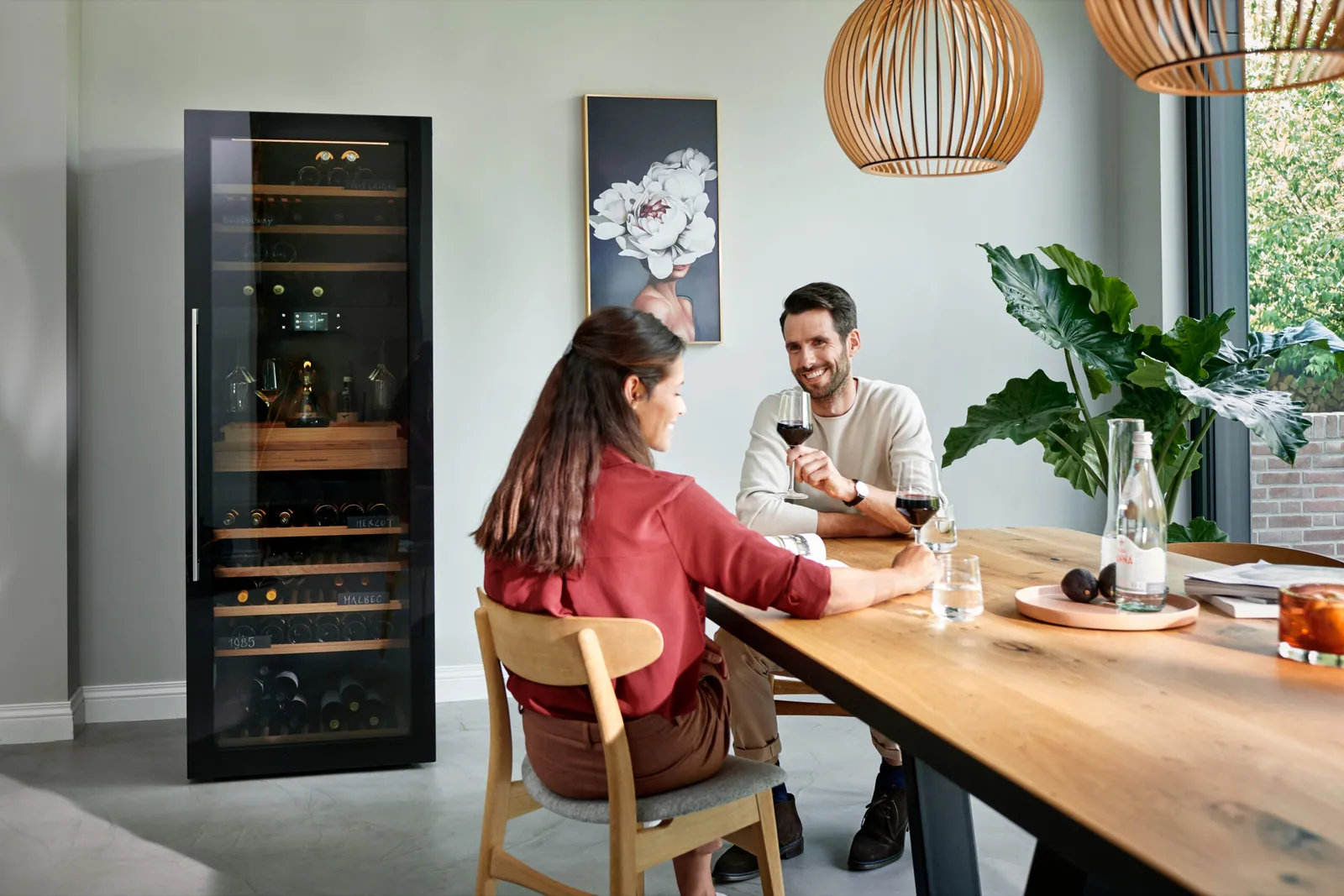
The story of freestanding appliances does not end in the utility room. On the contrary, they are appearing as a deliberate choice in modern kitchen and even interior design schemes. For some, the freedom to change the kitchen layout at a later date is an important consideration; others are drawn to the design of the appliances and want them to be seen. Refrigerators, wine cabinets and cookers are perhaps the top three appliances that can, or even should, be on prominent display. They are therefore not just functional elements, but visual focal points too.
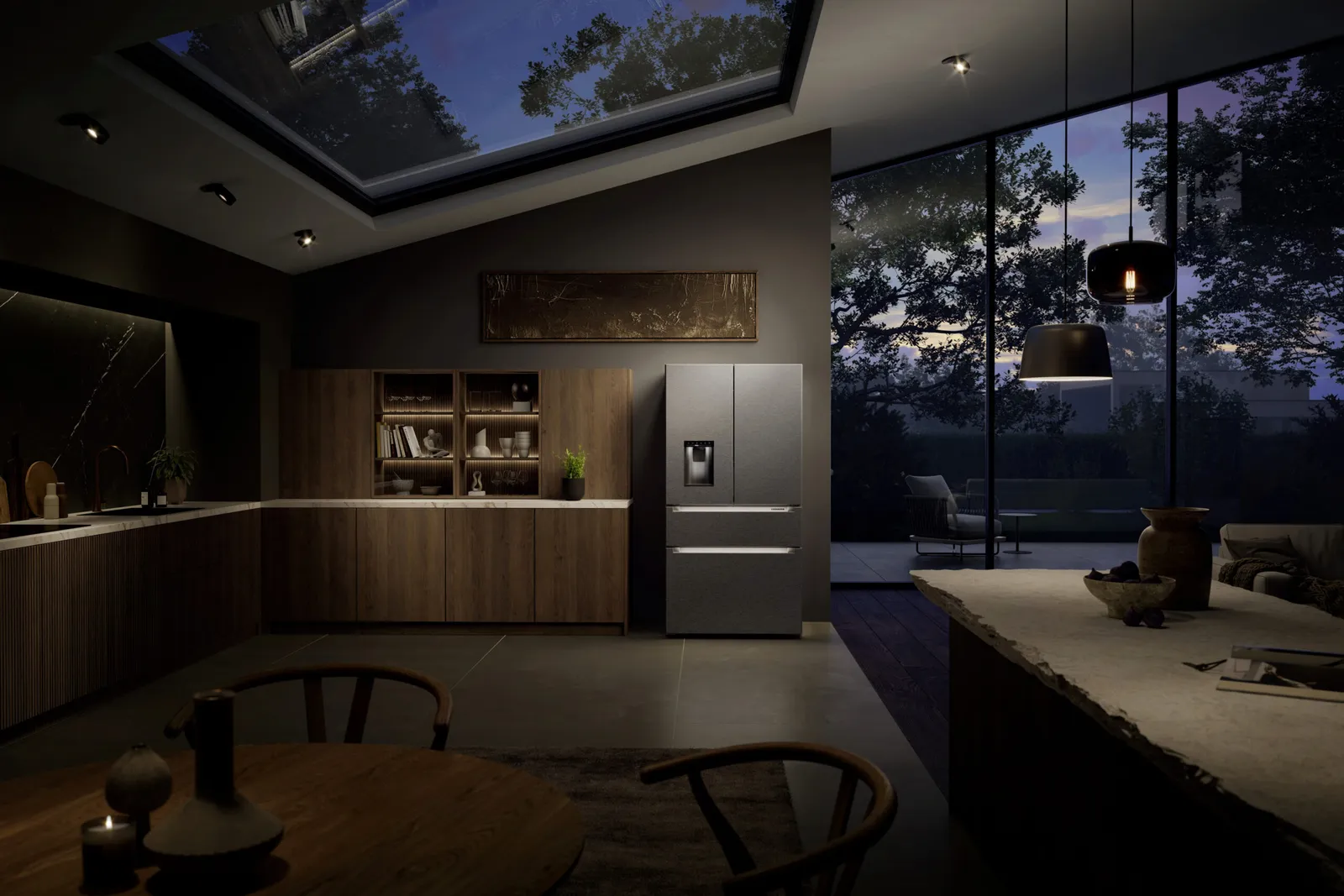
Keeping pace with technology
Design alone is not enough. Consumer expectations are rightly high. A centrepiece in the home also has to do the job it was designed for. Fortunately, technological advances have become so well established that they further enhance the image of freestanding appliances. This includes the specific requirements of cookers, wine cabinets and refrigerators, for example, the appliances mentioned above, as well as their energy efficiency, smart connectivity and ease of use. Energy efficiency, and the sustainability associated with it, is an increasingly important criterion. The energy label is therefore a document that many consumers check.
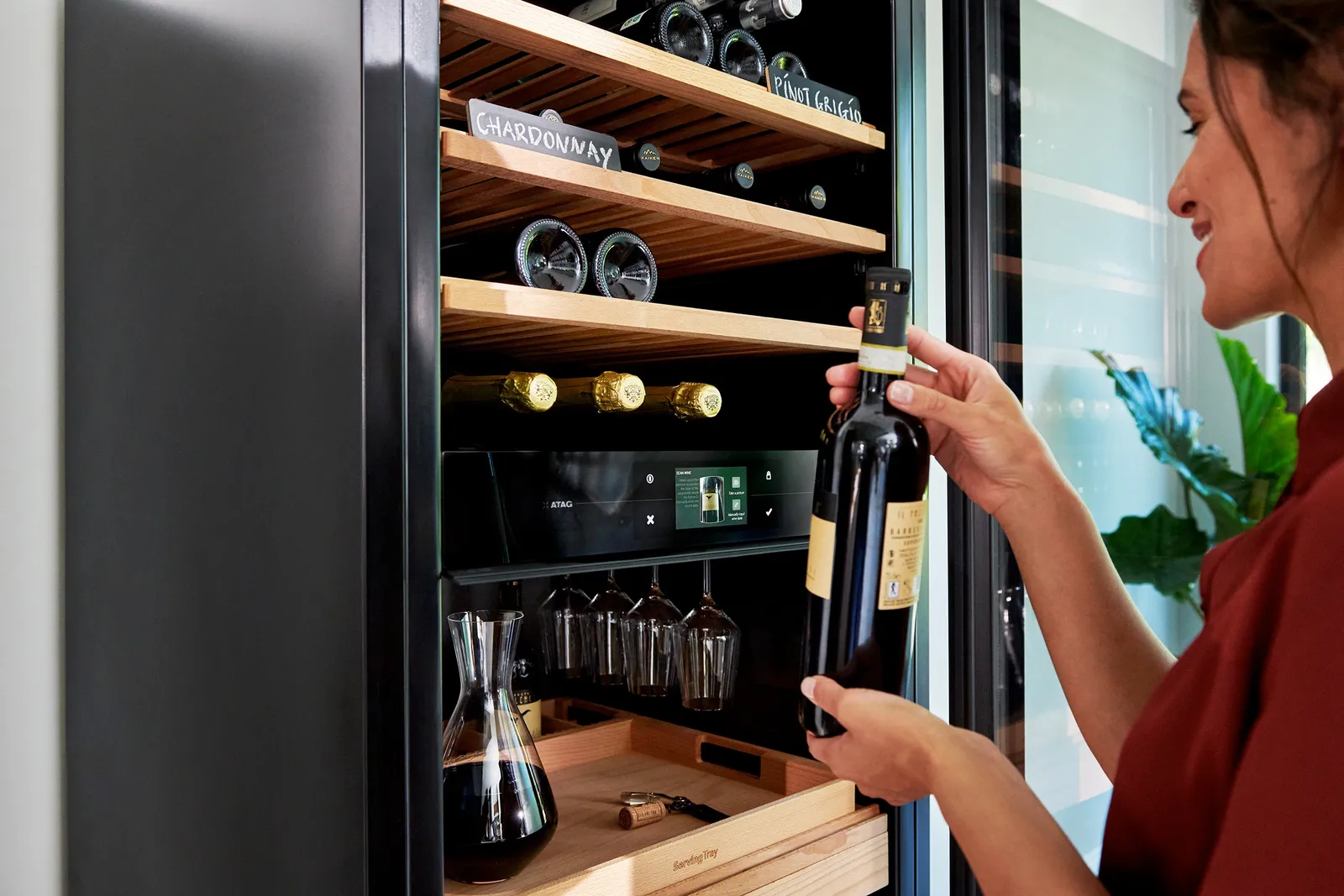
Distinctive strengths and applications
The conclusion is simple: freestanding appliances remain a fully fledged part of the kitchen ecosystem. Their image is now so positive that they are no longer treated as second-class options. A freestanding appliance is no longer an alternative to a built-in model, but an item that complements built-in appliances and can certainly add value. Freestanding is anything but an outdated concept.
Question about this story? Ask your question
Keep following this
Get an email when a new story is published. No account needed.
- SubjectRefrigeration and freezing