From tasting to investing
Metalworking, glassmaking and lamp production, textile weaving, water storage and irrigation. At first glance, these skills seem to have little or nothing to do with one another. But that could not be further from the truth.
They are all techniques developed by the Mesopotamians, who settled in the region between the Tigris and Euphrates. Archaeological excavations have uncovered 8,000-year-old jars bearing traces of wine.
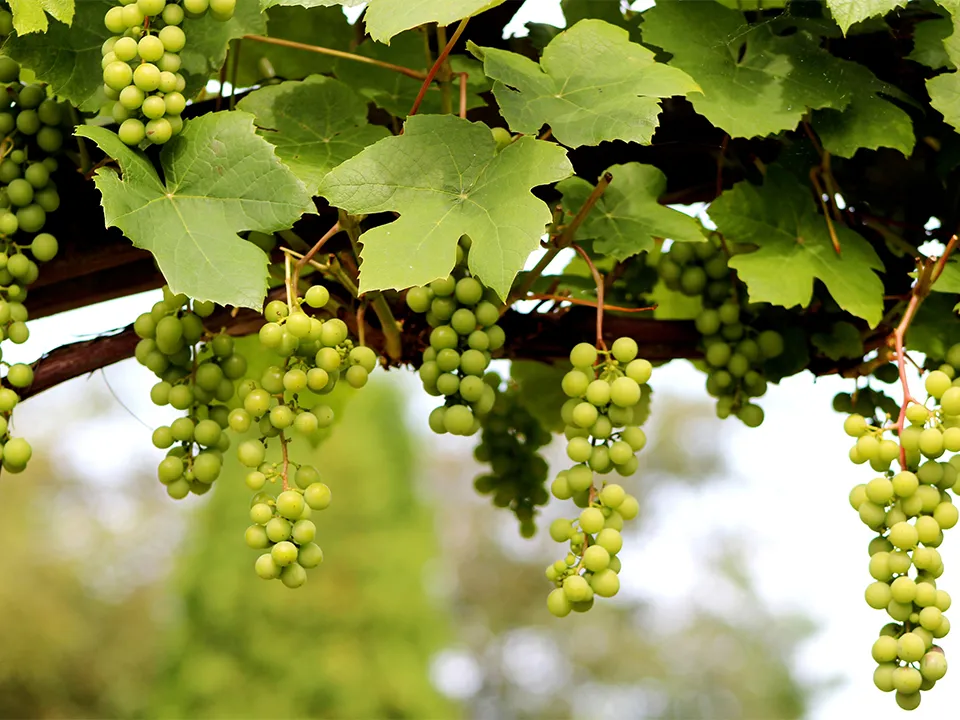
For this introduction to wine cabinets, we turn to Wikipedia’s wine page, which includes a brief note on the drink’s origins. Wine can be traced back to the Caucasus, where the wild grapevine Vitis vinifera grows. In Georgia, one of the countries in the region, pottery shards dating back 8,000 years were found bearing tartaric acid, a residue of wine. Like the archaeological finds in Mesopotamia, where wine was grown on fertile land, this is clear evidence of wine’s origins. Through what is now Lebanon and Palestine, knowledge of winemaking reached Ancient Egypt. Depictions dating from around 3000 BC also show scenes featuring wine. From Greece, and later the Romans, winemaking spread throughout Europe.
TV programme
Anyone who, like the Meiland family on the programme Chateau Meiland, enjoys the occasional glass of wine (or perhaps a little more) during a ‘Wines, wines, wines’ moment no longer needs a proper wine cellar. Wine can be stored at the right serving temperature in a wine storage cabinet or a wine climate cabinet. In recent years, numerous manufacturers have built up a huge range, from smaller models holding just a few bottles to larger units with room for a substantial collection. These appliances are designed to fit into the kitchen (or even serve as a centrepiece in the living room). Technological refinements and other handy features create the ideal conditions inside, allowing every bottle, whatever its colour, to rest properly until it is opened.
Collector’s item
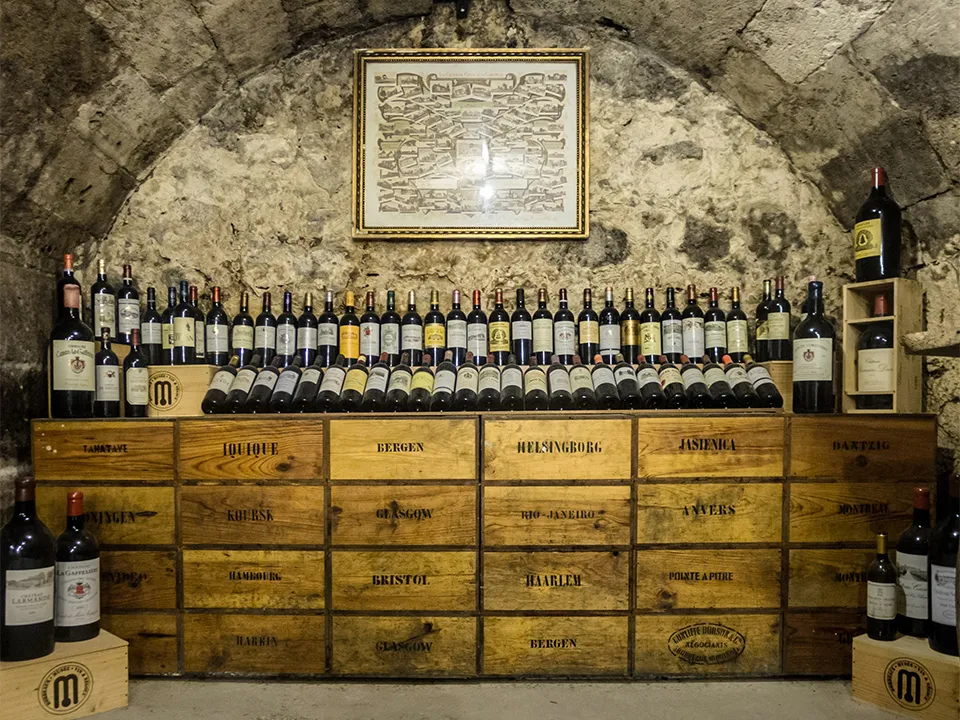
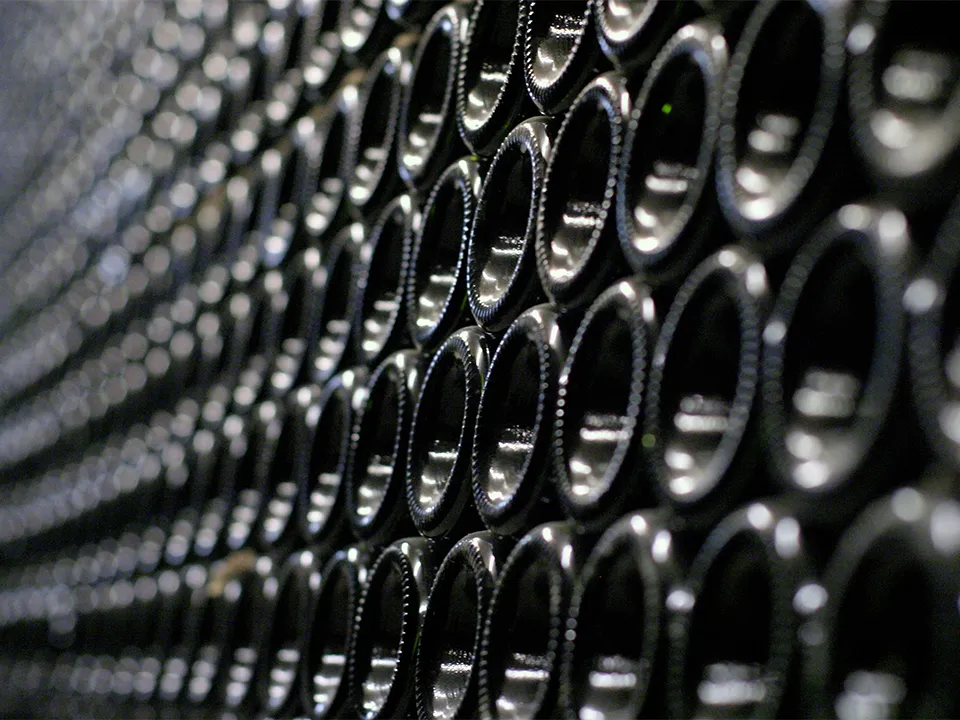
Wine has also become an ideal product to collect. Rare wines are among the world’s most sought-after collector’s items. Leading auction houses Sotheby’s and Christie’s regularly auction off (part of) existing collections or rare gems. One tip we hear from investment advisers is to cash in on any gains in good time. If the bottles have risen sufficiently in value over a few years, sell them. The most important advice, however, comes from wine journalist Harold Hamersma on www.ad.nl: “Don’t invest in wine, invest in yourself. You should only buy wine to drink and enjoy, not to make money. Perhaps you can get rich from it, but that shouldn’t be your motivation. Even the most expensive wine is meant to wash down your food.” Or, as Martien Meiland said when things once again did not go to plan: “I’m going to pour myself a glass of wine. I’ve had enough.”
Question about this story? Ask your question
Keep following this
Get an email when a new story is published. No account needed.
- ThemeTailored refrigeration and storage
- SubjectKitchen appliances