How to store wine
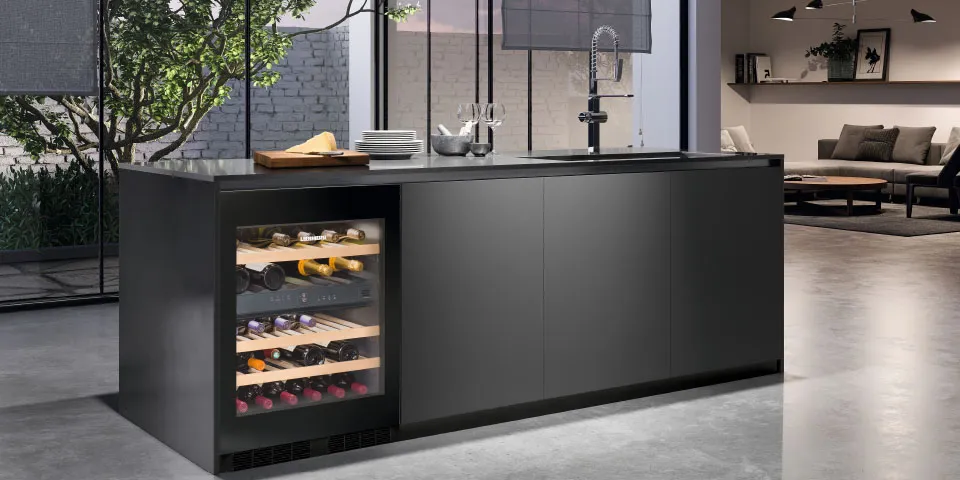
A bottle of wine bought for immediate enjoyment should be stored differently from a promising wine that needs more time to mature and reach its full potential. Wine lovers know this, and understand the difference between wine storage cabinets and wine conditioning cabinets.
A traditional wine cellar stocked with bottles is a significant investment. Wine connoisseurs who make that investment want to ensure, at all costs, that their carefully stored wine is worth drinking rather than simply pouring down the sink. The same goes for the occasional wine drinker who wants to open a bottle with their partner at the weekend over dinner or in the evening in front of the television. Wine is there to be enjoyed, not thrown away.
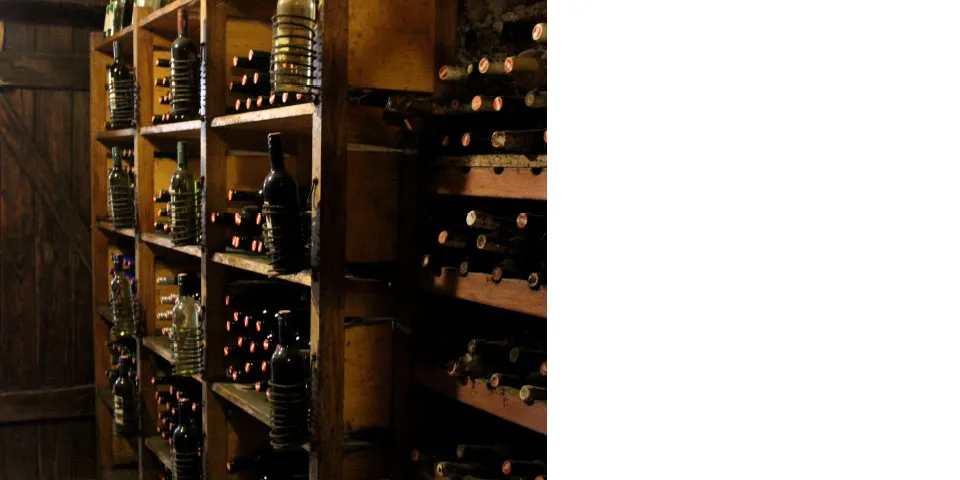
A wine storage cabinet, comparable to a traditional wine cellar.
Meeting a few key requirements
Not all wine lovers or collectors are fortunate enough to have the space to install a traditional wine cellar. Fortunately, many manufacturers recognised this years ago and began developing a range of appliances that can perfectly replicate cellar conditions without requiring a large room. Thus, wine cabinets were born. “Wines are not all the same,” manufacturers explain. “Different types of wine therefore need different optimum storage conditions. You also need to consider what you intend to do with the wine. Is it for drinking soon, or can it or should it be left to mature? The conditions need to be adjusted accordingly.” Red wine is best stored at 17°C, while rosé and white wine should be kept at around 8°C. The ideal storage temperature for champagne and sparkling wines is 5°C. Today, the temperature of most wine cabinets, whether designed for storage or conditioning, can be set very precisely. What is more, some models can be divided into different temperature zones. Always check the specifications or ask the manufacturer.
As well as temperature, it is important to keep humidity and air quality stable and protect bottles from UV light. Heat and humidity accelerate the ageing process. Bottles left for several years in less-than-ideal conditions can lead to unpleasant surprises. One basic requirement endorsed by manufacturers, and one that may not immediately come to mind, is the stability of the cabinet. Vibrations can be detrimental to proper wine storage. The wine cabinets available today guarantee vibration-free storage.
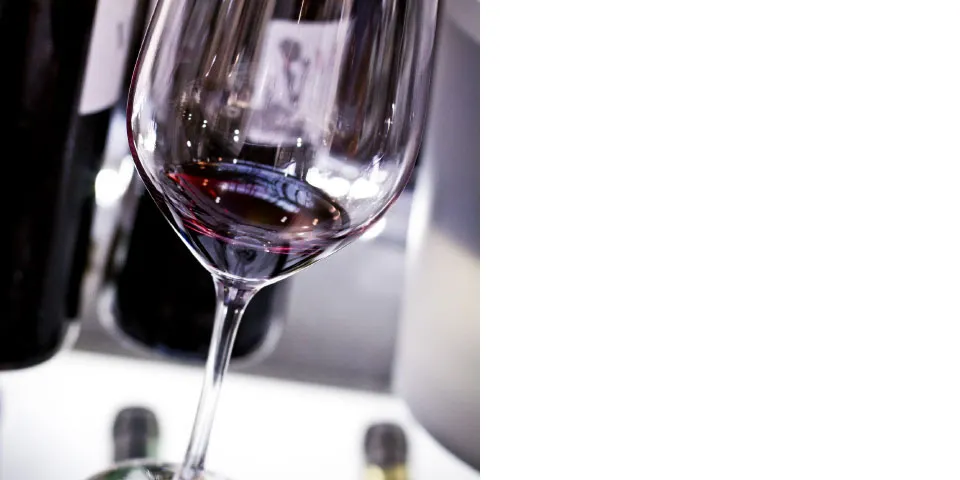
With a wine conditioning cabinet, your favourite wine is always at serving temperature.
Wine storage cabinets vs wine conditioning cabinets
So what is the difference between wine storage cabinets and wine conditioning cabinets?
Wine storage cabinets can be compared to an optimised wine cellar, providing a constant ambient temperature and optimum humidity and air quality, perfect for bottle ageing. If you want to store wine for a longer period, set the wine storage cabinet to between 10 and 12°C. Wine conditioning cabinets, on the other hand, keep wines at the perfect serving temperature. They are not intended for long-term storage to allow bottle ageing, but keep wine at the ideal temperature so you can enjoy a glass whenever you wish. Wine conditioning cabinets can generally be set to within a degree, or even divided into different temperature zones if you want to keep different types of wine ready to drink.
Question about this story? Ask your question
Keep following this
Get an email when a new story is published. No account needed.
- ThemeTailored refrigeration and storage
- SubjectKitchen appliances