Lighting is a job for specialists
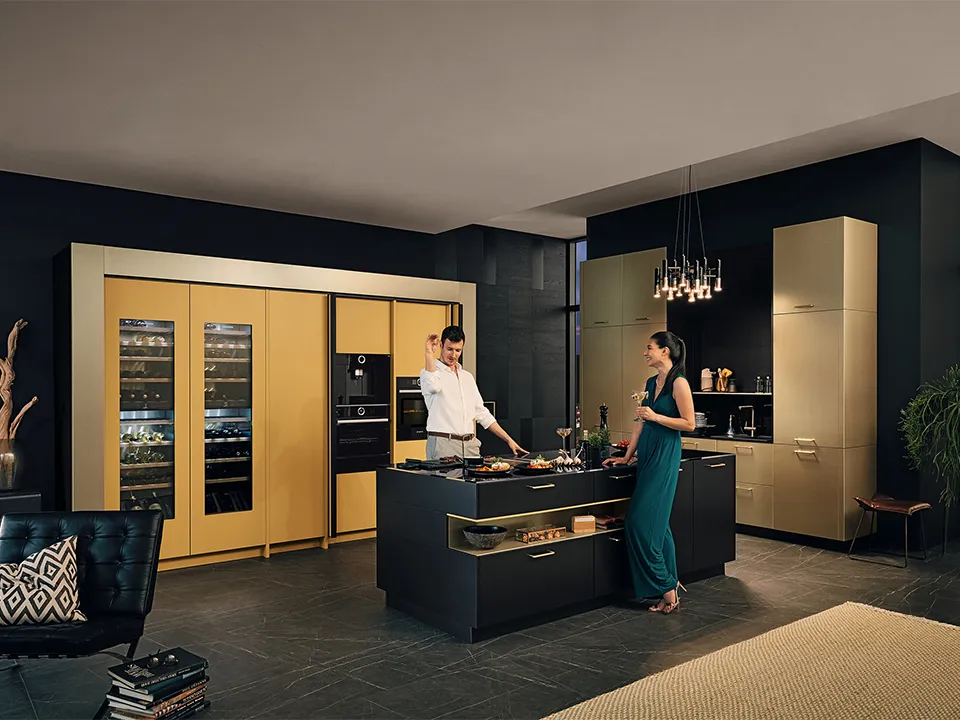
Lighting in the home, and therefore in the kitchen too, is a topic that can never be discussed enough.
The importance of having the right light in the right place cannot be overstated. Fortunately, this understanding is becoming increasingly widespread among kitchen specialists and consumers.
There is still work to be done, however. What does experience show? All too often, lighting is only discussed at the end of the process, if it is discussed at all. “In an ideal scenario, the lighting designer is involved as early as possible, even before any work has started on site,” says Maurizio Falciglia, managing director of Future Living, with more than ten years’ experience in designing, developing and selling innovative lighting solutions and products. “We are seeing more and more people recognise the importance of light and lighting. But, unfortunately, that is often where it ends. There is still work to be done.”
Shedding light on efficiency
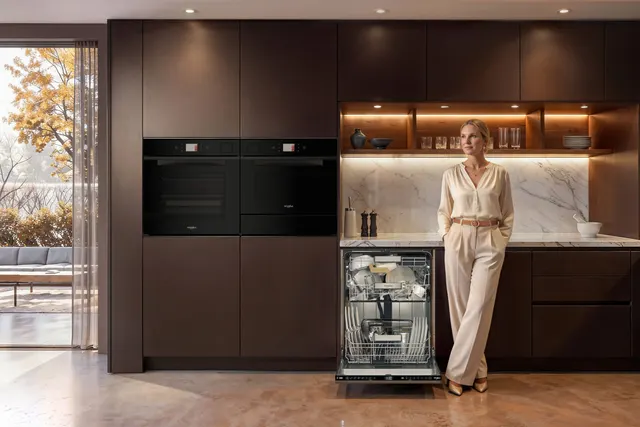
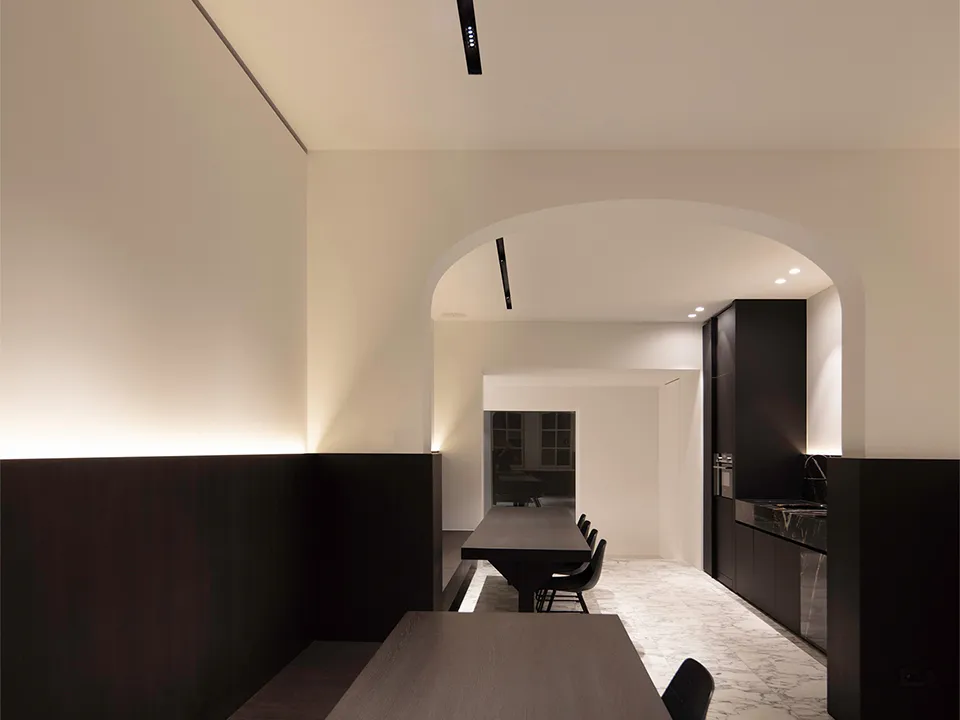
“The kitchen is a prime example of efficient design,” Falciglia continues. “Space is limited, while there are many appliances and products. Often there is also a table and some chairs, perhaps with a few accessories to brighten things up. Naturally, all of that is nice, but without good lighting, the whole space fails to come into its own. A kitchen costs a lot of money, so it is only logical that users want value for it. Good lighting really helps to bring out its best.”
Two types
To achieve good lighting, meaning lighting that reflects the way the home’s occupants live, it is crucial for the lighting designer and residents to meet and talk things through. “A 65-year-old who enjoys reading the paper at the kitchen table each morning has different requirements from a young family that rushes through breakfast every morning before heading off to work,” Falciglia stresses. “Functional lighting is always essential. Kitchen tasks, from preparing meals to setting and clearing the table, need to be carried out safely. That is one of my bugbears. There are no clear standards specifying the required light level on a kitchen worktop. By applying common sense, we can come up with a design that provides enough good light where it is needed. Ambience has also become an important factor, especially now that kitchens have evolved into fully fledged living spaces, and for some people, the living space. Do they form one space with the living room or not? That is also an important consideration. In my view, the ideal kitchen lighting plan combines ambient and functional lighting, perfectly tailored to the people who live there.”
Always different
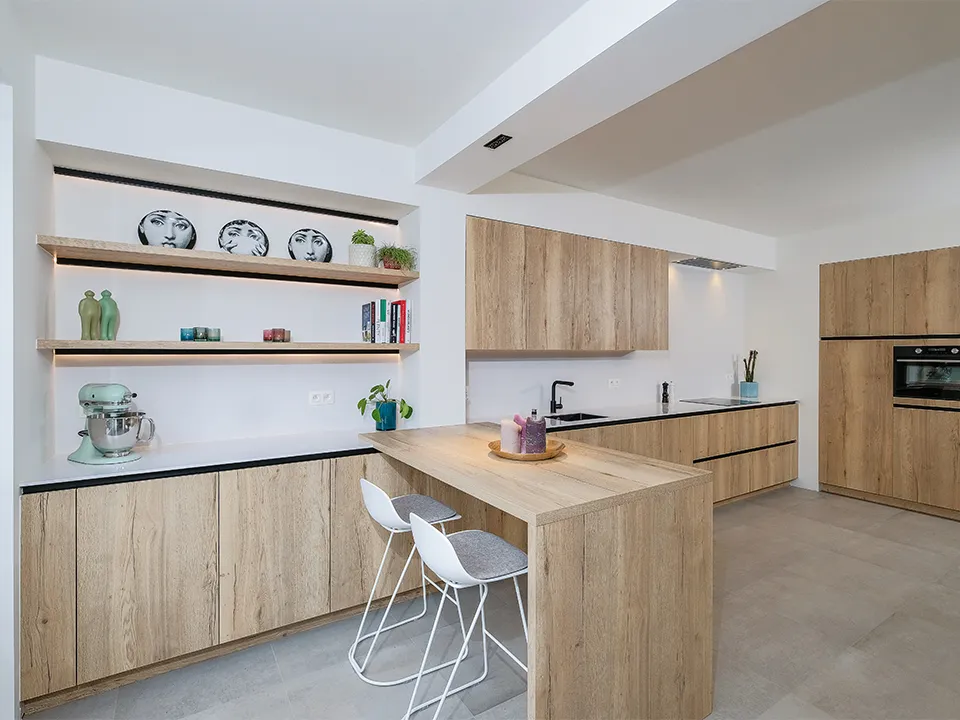
How do you do that? It is a frequently asked question with no one-size-fits-all answer. The cliché holds true: every kitchen is different, as are its occupants, so every kitchen lighting plan is different too. How is the kitchen
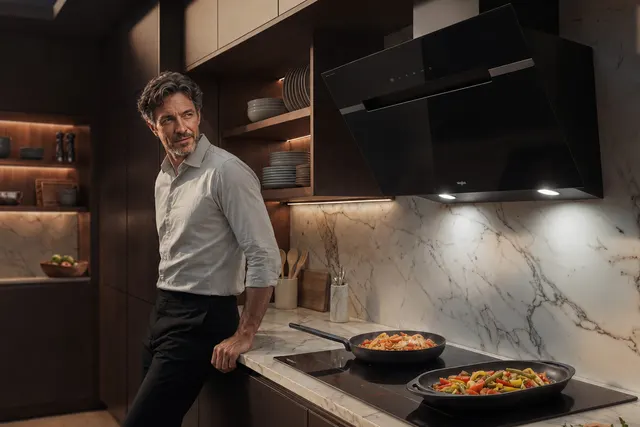
laid out? How are the furniture and appliances arranged? Which materials and colours are being used? “Consumers are often willing to pay a lot for a beautiful worktop, which is a prominent feature in every kitchen,” says Falciglia. “I believe the worktop deserves to be seen and should therefore receive plenty of light. It may have been said many times, but it bears repeating: bring the lighting specialist into the design process at a very early stage, discuss the residents’ specific wishes with them, and the kitchen lighting will add value to the space as a whole.”
Question about this story? Ask your question
Keep following this
Get an email when a new story is published. No account needed.
- ThemeLighting makes the kitchen
- SubjectKitchen appliances