Sparkling clean dishes, without the hassle
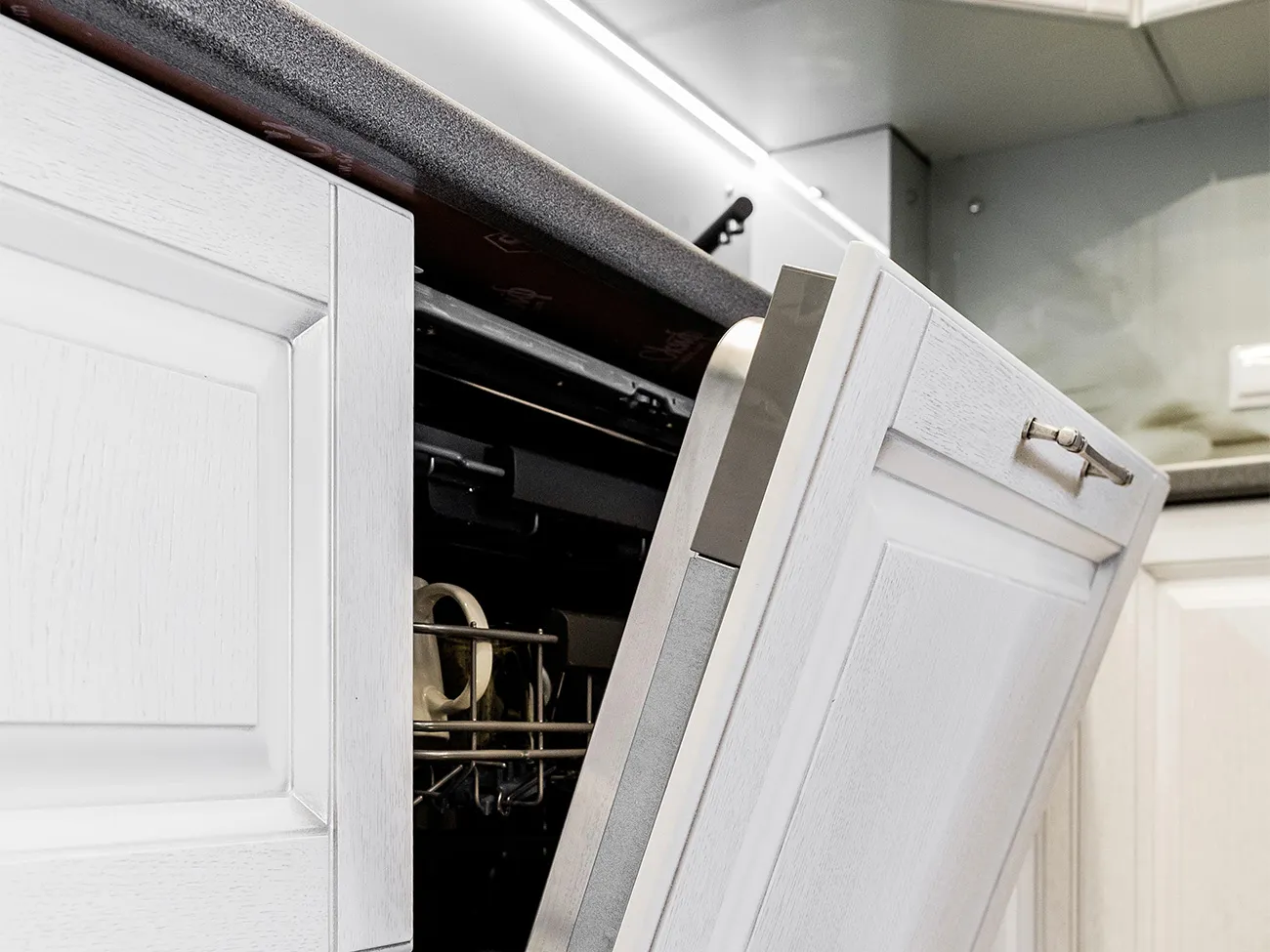
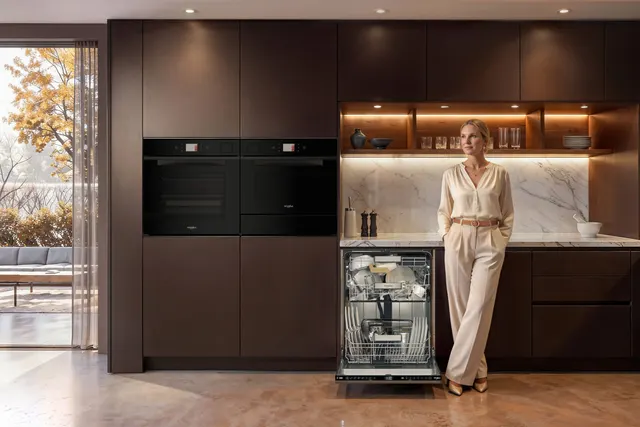
Nobody likes doing the washing-up. Not after a normal family day, and certainly not after friends have been over or a party. That is why the dishwasher has become one of the most sought-after kitchen appliances. A new kitchen is ideal for a fully integrated model concealed behind a cabinet door. A freestanding model is another option, of course, for example in a utility room, which is also becoming increasingly popular.
Fortunately for the many households looking for a dishwasher, kitchen appliance manufacturers have responded to this demand. New models are appearing all the time, and existing models are being upgraded just as frequently. A host of handy features also help make the daily chore of washing up easier. And thankfully, manufacturers are keeping an eye on these appliances’ energy consumption too.
Less consumption, please
The energy label on every appliance, including dishwashers, provides information about its energy consumption, water use and performance. There is no doubt that electricity and water are needed. Equally clear is consumers’ desire to use as little as possible, particularly with prices continuing to soar. But of course, we do not want to compromise on performance. Fortunately, manufacturers have embraced energy efficiency and sustainability. There is a wide choice of appliances in energy classes A+ and A++, with some even reaching the top energy class, A+++. Efficient models use around 10 litres of water per wash, although some appliances use more or less. An appliance’s water consumption is shown on its eco label in litres per year, calculated on the basis of an average of 280 wash cycles annually. The user’s contribution must also be taken into account. After all, the idea is not to run lots of wash cycles with a dishwasher that is only half full.
Essential programmes
Manufacturers develop appliances to give us a helping hand every day. With a range of programmes, they clean plates, glasses and everything else that can go in the dishwasher. Which programmes are essential, and which are used most often?
An automatic programme lets the user leave the decision to the dishwasher. Using a range of sensors, it scans the amount of crockery and how dirty it is, then selects the most suitable programme. If you still want to run a half-full appliance, look for a ‘half-load’ programme. The dishwasher can then shorten the wash cycle and adjust the amount of water to match the load. An eco programme is also a must. It is the programme of choice when the dishes are not particularly dirty. Conversely, an intensive programme is needed to get very dirty bowls and plates clean again. And if you need clean dishes in a hurry, choose a quick programme to shorten the wash cycle. It uses a slightly higher temperature and more water, but gets the job done faster.

Handy features
A projection on the floor showing whether the appliance is still running is one of the handy features available on fully integrated dishwashers. An audible signal also lets you know when the programme has finished. Some appliances project a clock onto the floor, so you can see exactly how much longer a particular programme will take.
A delayed start lets you load the dishwasher and then set when it should start. Another useful feature is an indicator light that tells you when it is time to top up the salt and/or rinse aid.
Question about this story? Ask your question
Keep following this
Get an email when a new story is published. No account needed.
- ThemeThe sink zone as a workspace
- SubjectKitchen appliances