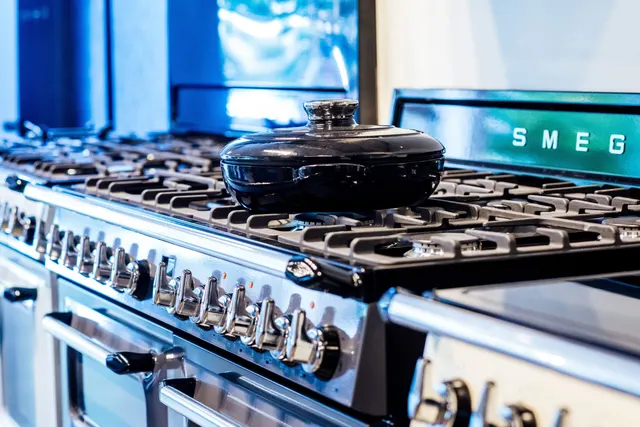
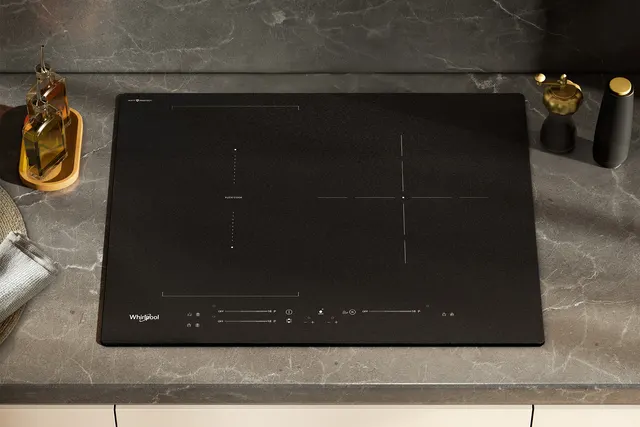
Visible or not, that’s the question!
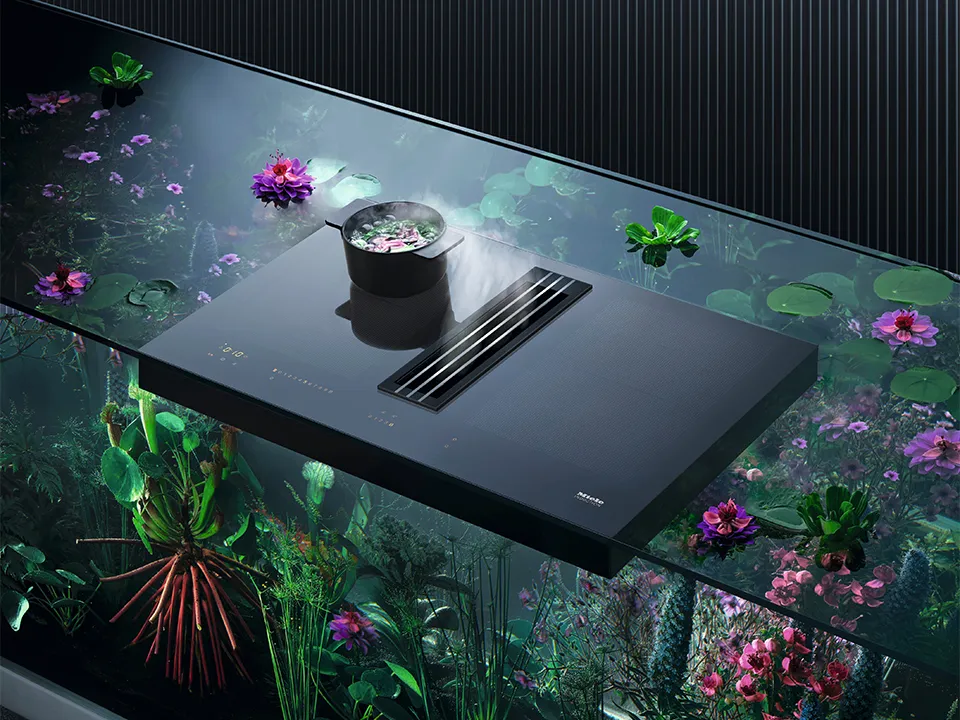
Just as kitchens evolve, so do all the appliances found in them. Every manufacturer and consumer agrees on one thing: appliances must do what they are designed to do.
But that doesn’t mean the demands on aesthetics are any less. Looks matter too. The focus, then, is on technology and aesthetics!
What we have known for years, and what has become increasingly clear, received a further major boost during lockdown. The kitchen has taken pride of place as the ‘heart of the home’. Unlike in the past, when the kitchen was tucked away in a separate room and used solely for preparing food, today it is a centrepiece. What’s more, kitchen and living space merge into one large area, with all the consequences that entails. We have seen two clear trends in cooker hoods: either they are on show as real eye-catchers, or they are made as visually unobtrusive as possible. The various manufacturers have introduced a host of innovations in both technology and aesthetics.
Technological advances
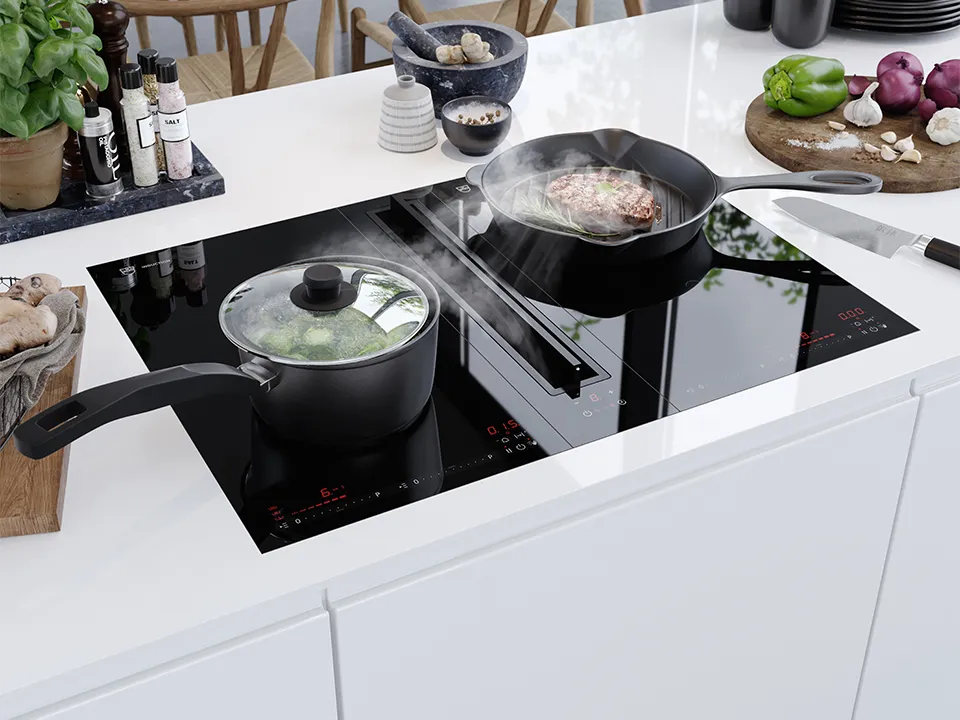
Ask the various manufacturers that develop and produce cooker hoods, and the message is unanimous. A cooker hood must do what it was designed to do: remove unwanted cooking fumes and odours from the kitchen as efficiently as possible, ideally as quickly and quietly as possible. This last requirement is becoming increasingly important, as kitchens play a much more prominent role than they used to. No one wants to spend the end of a working day or the start of the weekend shouting over a pleasant conversation, let alone give up having one because the cooker hood is making itself heard above everyone else. Manufacturers are unanimous on this point too, making huge efforts to turn cooker hoods into technological marvels that do their job without making their presence felt, at least in terms of noise. Whisper-quiet is the goal; anything louder is not good enough. The way fumes and odours are dealt with is also being examined in meticulous detail. And it is not just a matter of simply removing them: filtering them is also high on the list of priorities, especially when recirculation is involved.
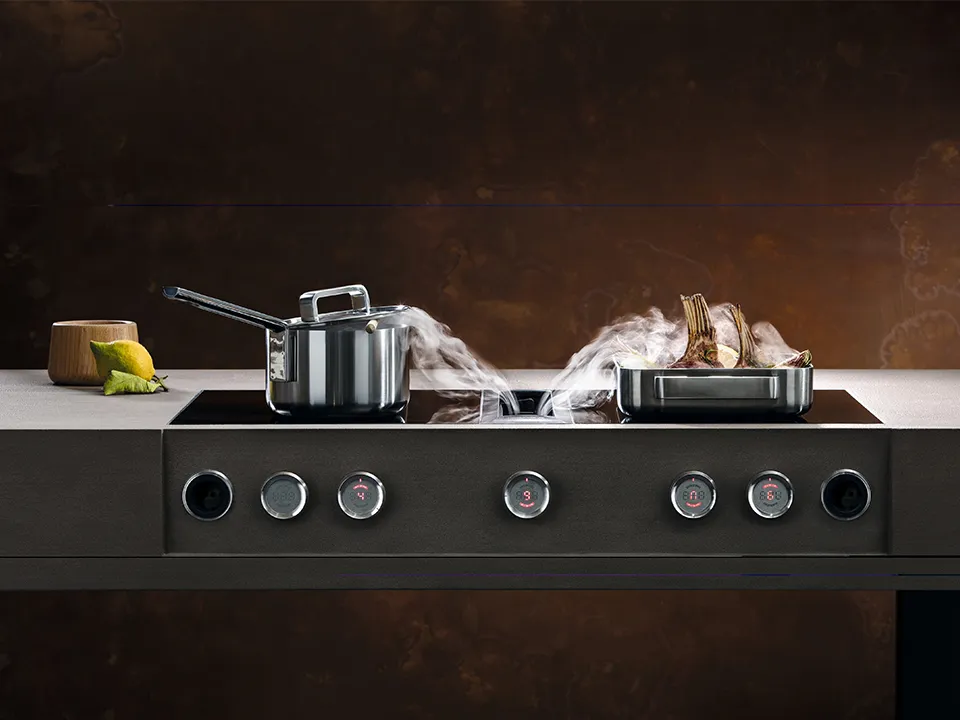
The air stays indoors
Put simply, a recirculating cooker hood draws in the air while you cook, filters it and then releases it back into the kitchen. The difference from the traditional way cooker hoods work, expelling air outside through a wall outlet, is immediately clear. The main difference is that anyone choosing a recirculation system no longer needs a wall outlet. With no hole in the wall, heat stays inside in winter, keeping the cold out, and vice versa in summer. This is essential for anyone living in, or planning to build, a passive house. There are also systems available today that hermetically seal a wall outlet when it is not in use, keeping the cold out in winter too. In addition, recirculating cooker hoods use a series of high-performance filters to prevent harmful particles and unpleasant odours from re-entering the kitchen. Recirculation is not limited to downdraft extraction or to extraction by a cooker hood above the hob or on the wall: the technology can be used universally.
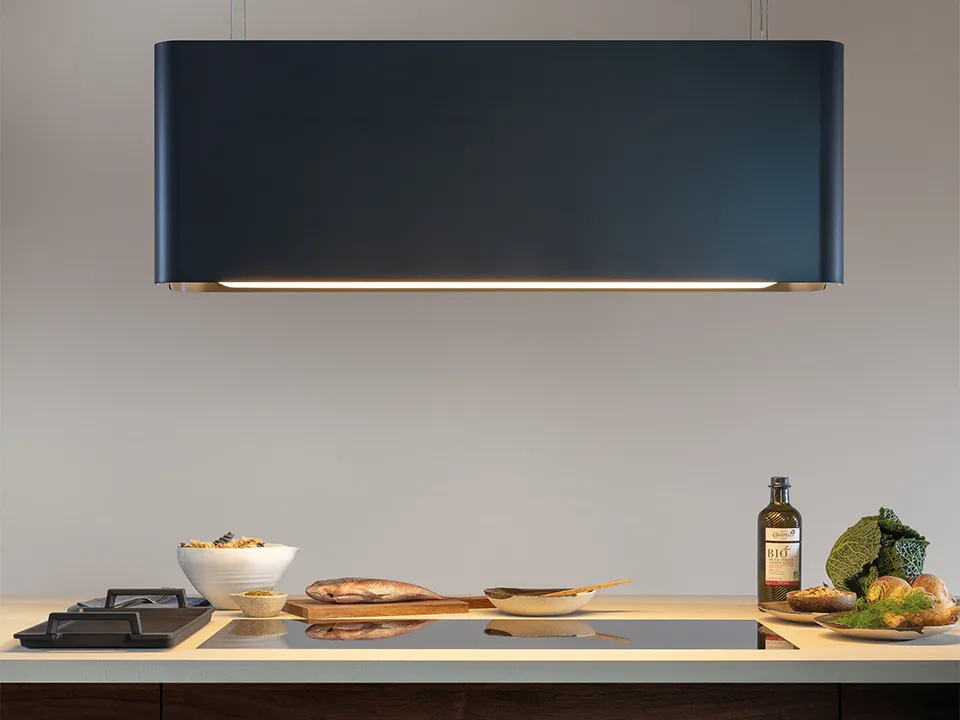
Visual calm
Some people choose a system that extracts cooking fumes at source, directly from the hob itself, while others opt for a more traditional set-up, with the cooker hood above the hob. You know what they say: fumes rise naturally. One advantage of downdraft extraction, and of telescopic models in which the hood is concealed in the worktop and only appears when you cook, is that the cooker hood is effectively invisible. When you are not cooking, you cannot see it, creating the visual calm that fans of these systems are looking for. This is an added advantage as kitchens and living spaces increasingly merge. Downdraft extraction is also a useful ally when the kitchen is not particularly large.
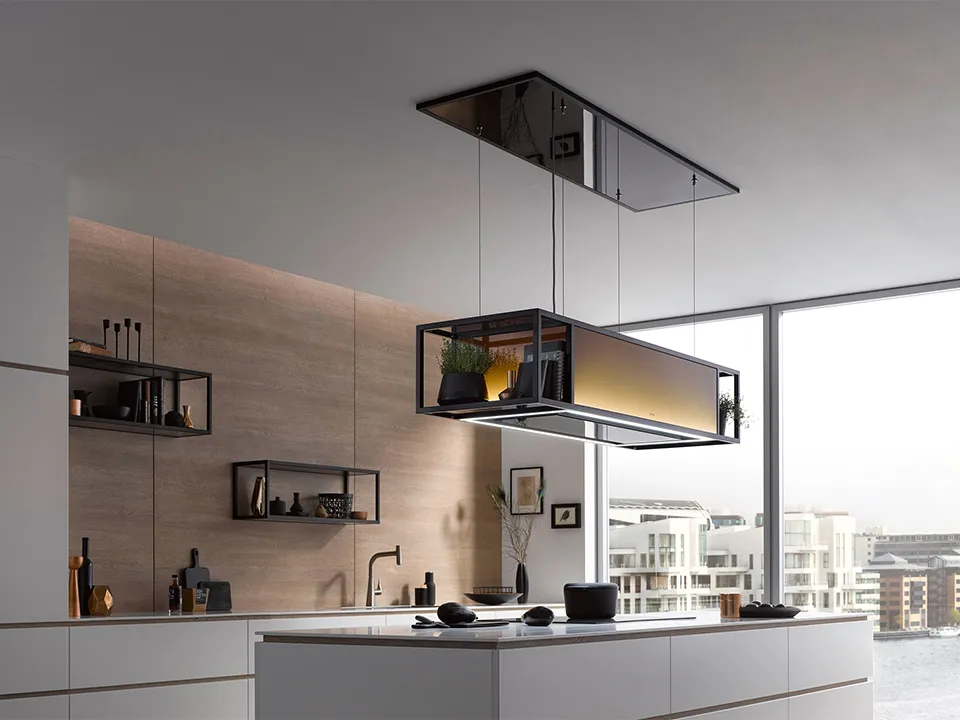
Designed to be seen
The opposite concept has its fans too, of course. Rather than hiding the cooker hood, these people deliberately choose to keep it in view, making it an additional design feature in the interior. This trend has not gone unnoticed by cooker hood manufacturers, many of whom have responded with products to match. We are seeing cooker hoods in the most beautiful, largest and most extravagant designs. And that is not all. Several manufacturers also offer cooker hoods as light fittings, without extraction, of course. This allows the same aesthetic to carry through from the (open-plan) kitchen into the living space, creating a different kind of visual calm.
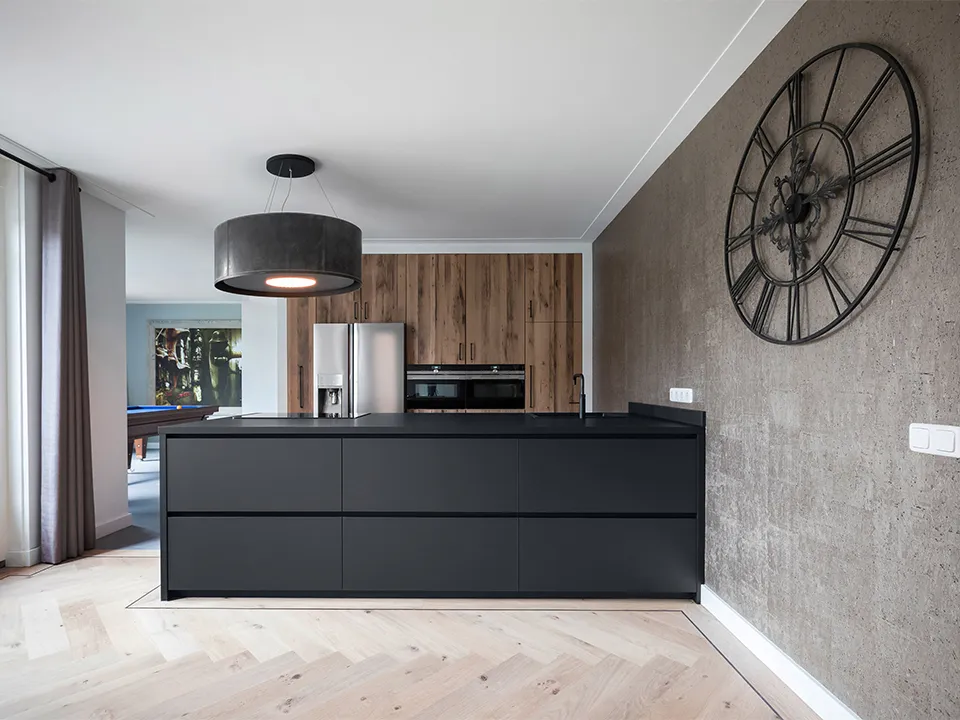
A number of manufacturers are also introducing so-called multifunctional systems that bring together a cooker hood, shelves, frames for storing cookware and lighting in one unit. A real eye-catcher, with functional features deliberately put on display.
Question about this story? Ask your question
Keep following this
Get an email when a new story is published. No account needed.
- ThemeCooking with smart appliances
- SubjectKitchen appliances