“Kitchen worktops are the crowning touch of any kitchen design”
Text Tom Rampelbergh Beeld Potier Stone, MCR Stein, ASA Plastici, Jetstone, Louis Culot
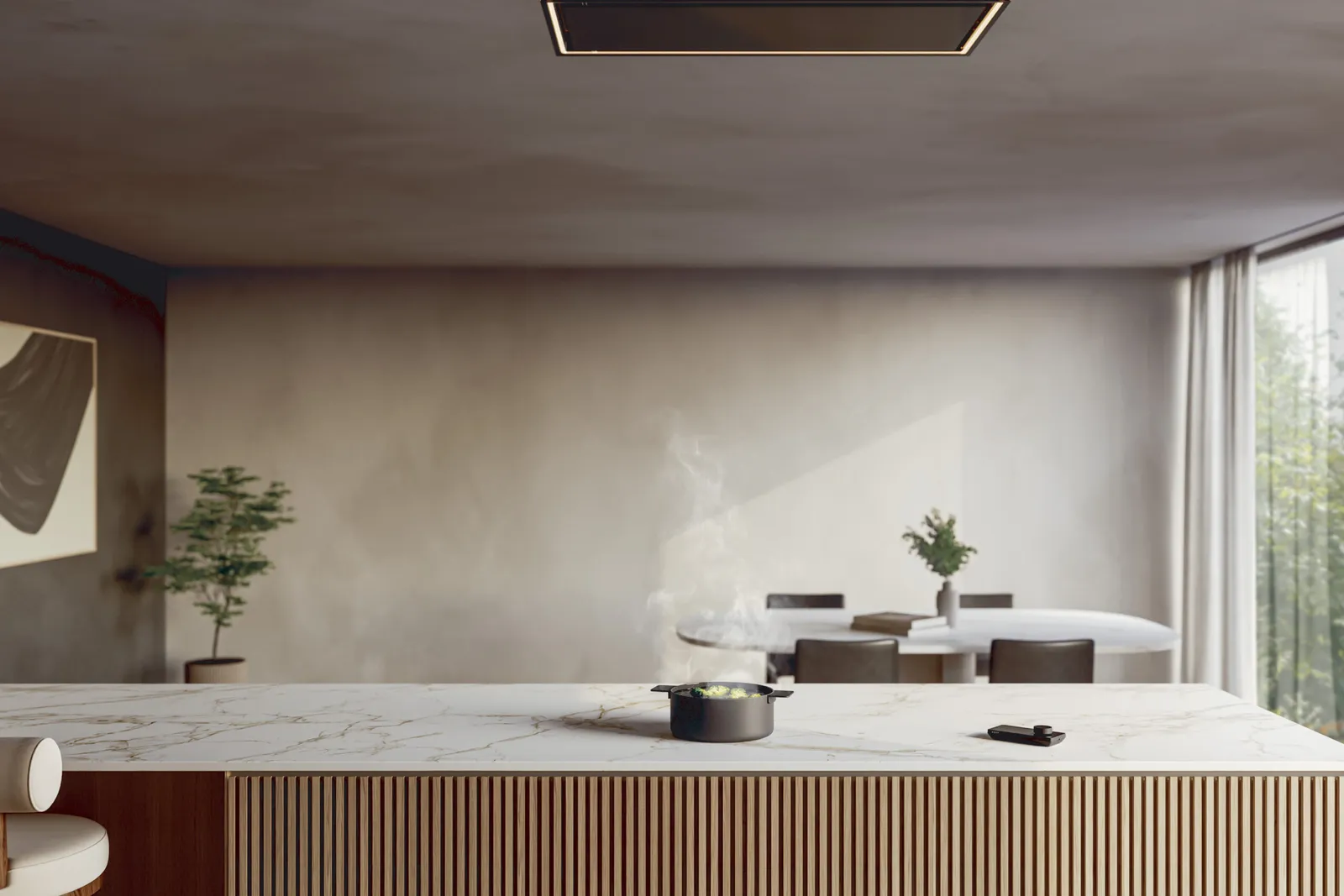
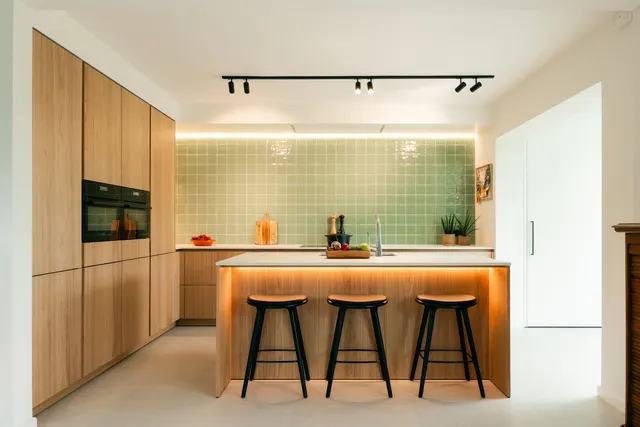
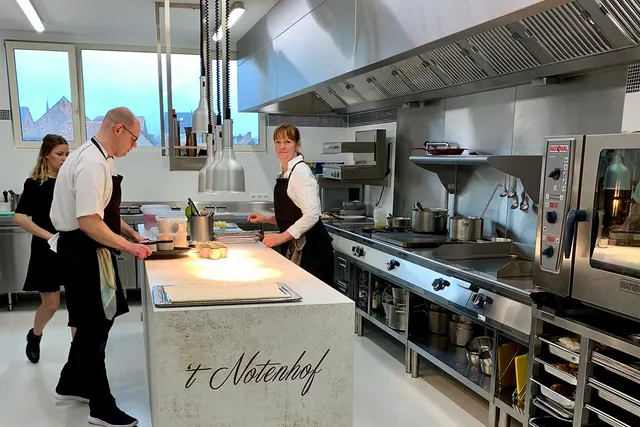
The worktop plays a key role in the day-to-day use of the kitchen. Preparing meals, presenting culinary masterpieces, collecting the dishes. All natural activities on and around the worktop. But because the kitchen is much more than a place for culinary magic, the worktop also takes on additional ‘duties’. Not to mention its visual impact.
Anyone deciding to replace an old kitchen with a new one today knows there are plenty of decisions to make. Which appliances do you want in the new kitchen, and which can you do without? Are we going for a dishwasher, to which the answer is probably an emphatic yes, and will we also make room for that wine fridge, where a ‘yes’ may be less obvious? The question of whether to have a worktop in the kitchen does not even arise. A kitchen without a worktop simply is not an option. Other questions come to the fore when choosing a worktop, all linked to how you plan to use the kitchen. The material’s practical qualities will go a long way towards helping users find the right worktop. Resistance to stains, scratches and heat, you know the score. But appearance matters too. Just as much, in fact. So the material must not only be functional, it must also have the right look. After all, it is a highly visible feature, and it comes with a price tag to match. In our conversations with kitchen specialists, we hear that consumers are already well informed about the options available, the materials on offer and their respective strengths and weaknesses. Even so, it is our job to maintain that high standard of guidance. Nobody benefits from being sold a pig in a poke.
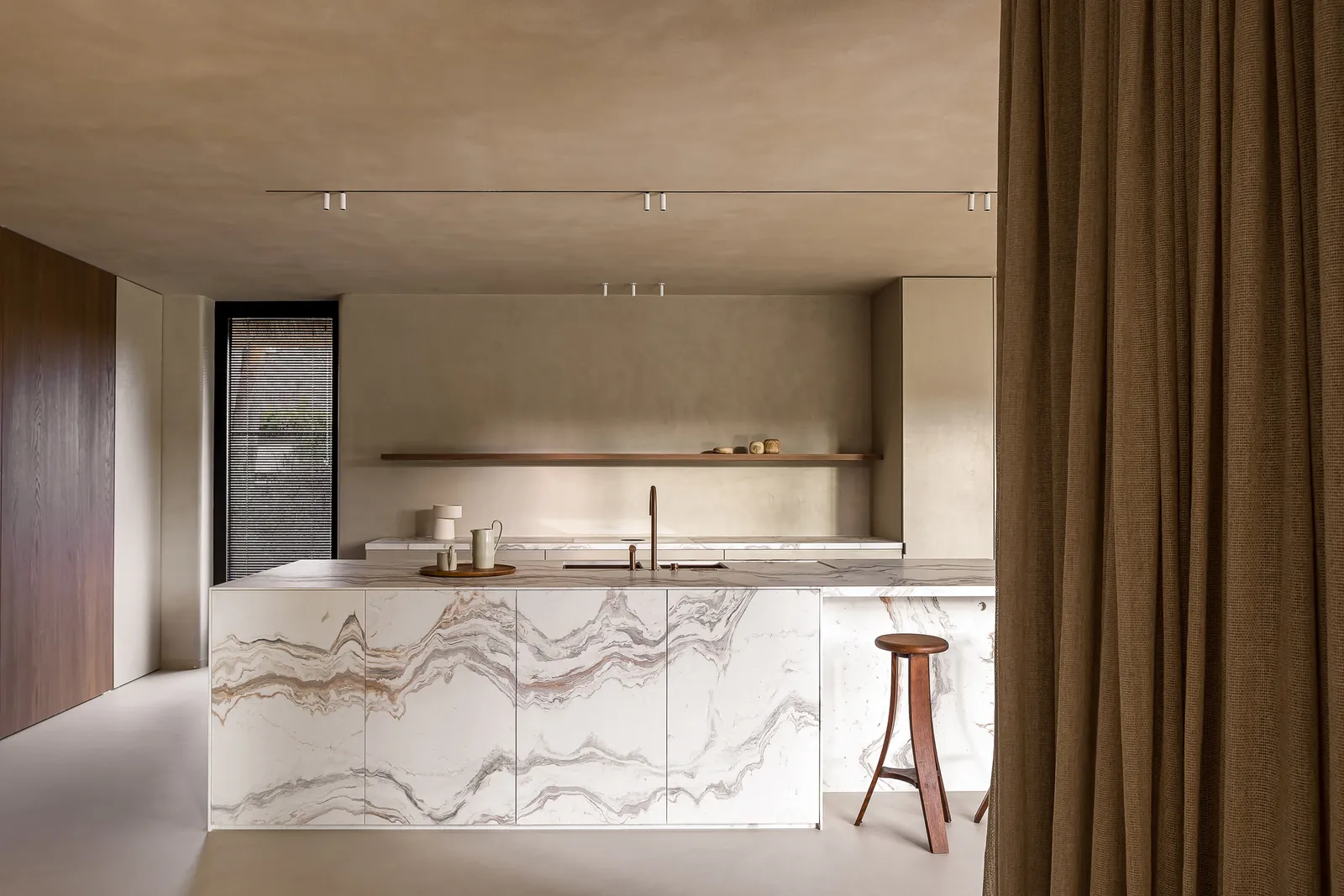
Bringing trends into the worktop
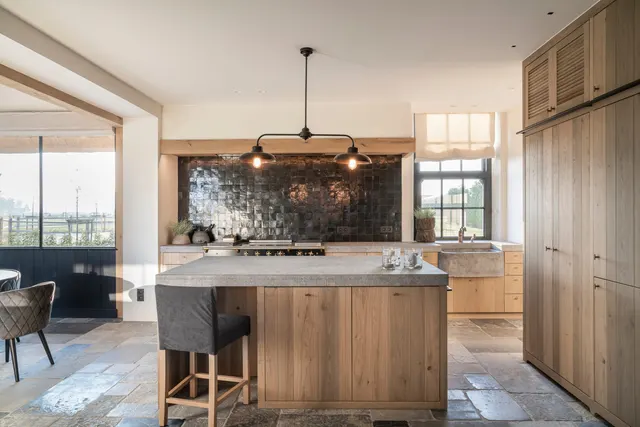
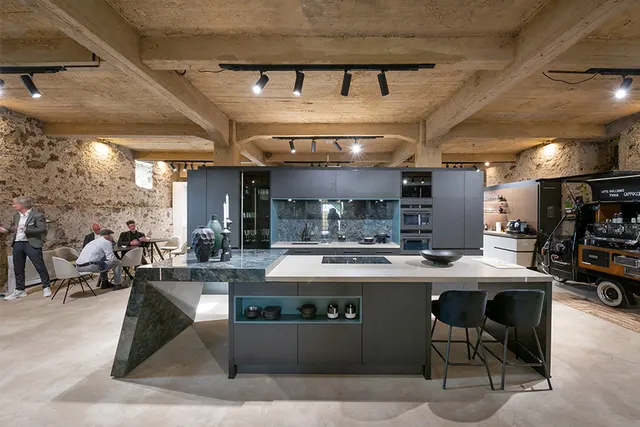
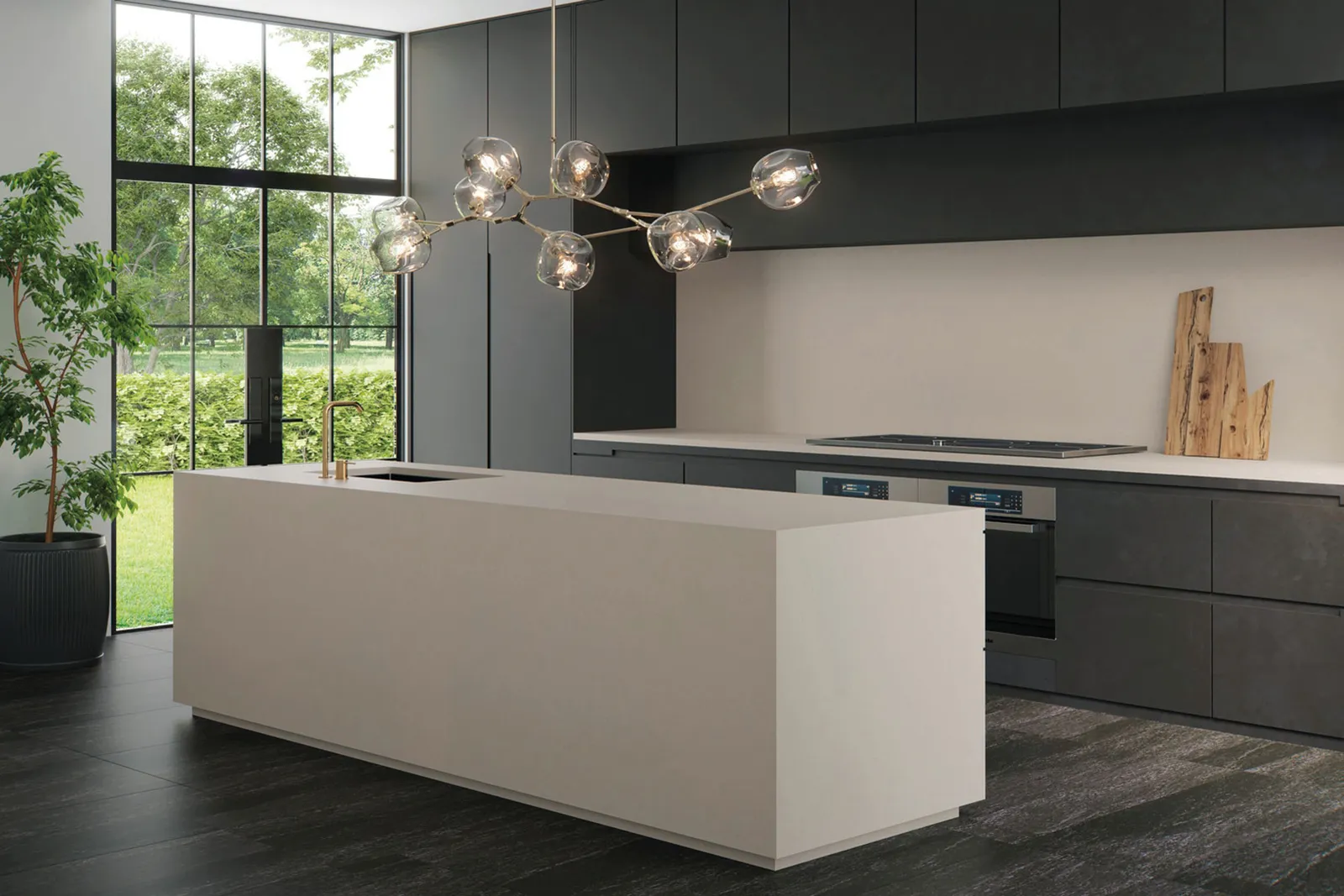
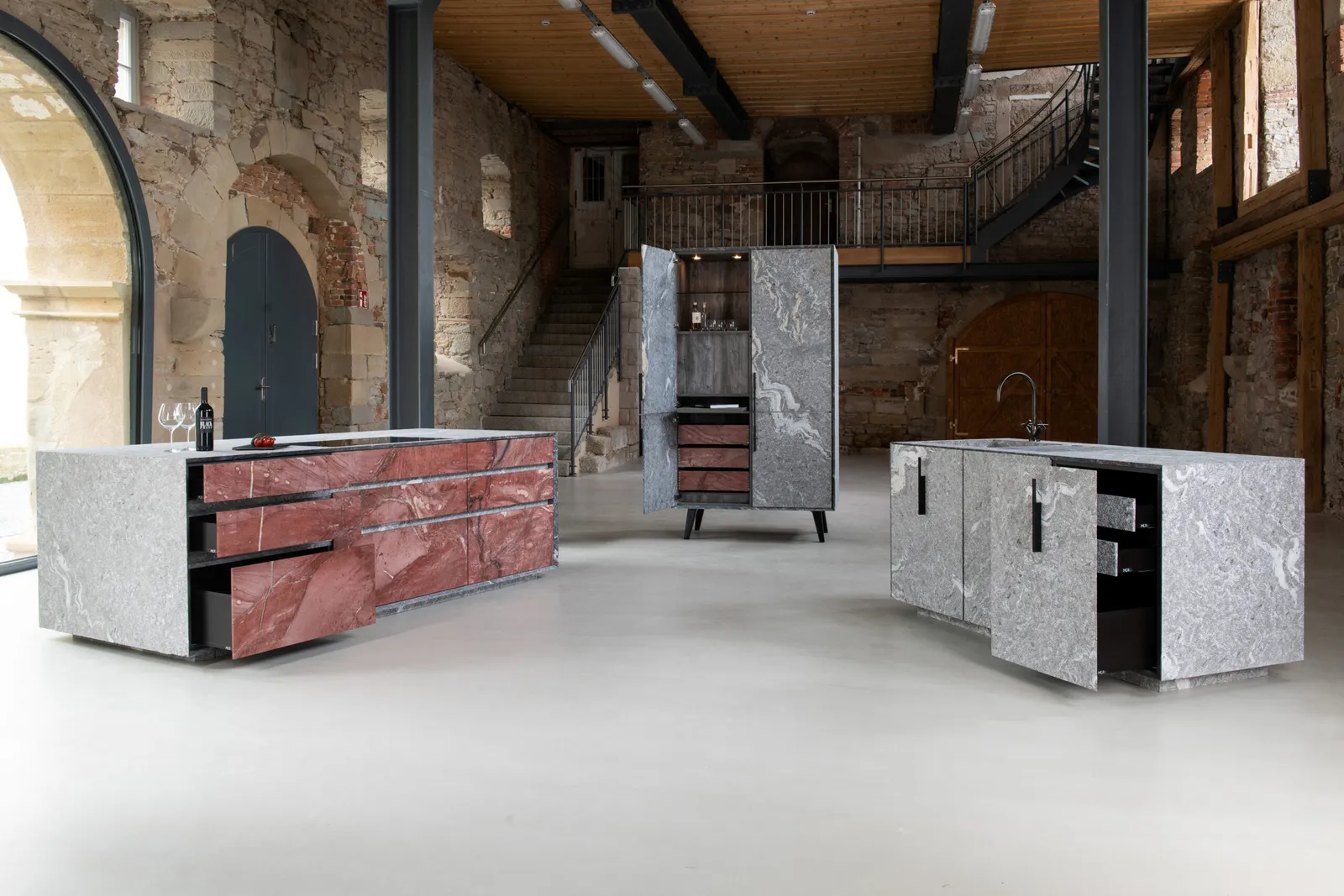
Kitchen manufacturers, worktop specialists and kitchen showroom staff agree: the trend towards embracing nature and bringing it into the home is set to continue. The worktop is by far the largest and most visible ‘appliance’ in the kitchen. It is therefore ideally suited to taking centre stage when it comes to incorporating nature and natural elements. Choosing the material is the first step. Natural materials such as marble and granite have never really gone out of fashion. Even so, we are seeing a modest revival of ‘real’ natural materials over ‘lookalikes’ in other materials. Wood and concrete are alternatives to the more common options. Whether they fit the overall look, however, depends largely on the chosen kitchen style.
High-tech
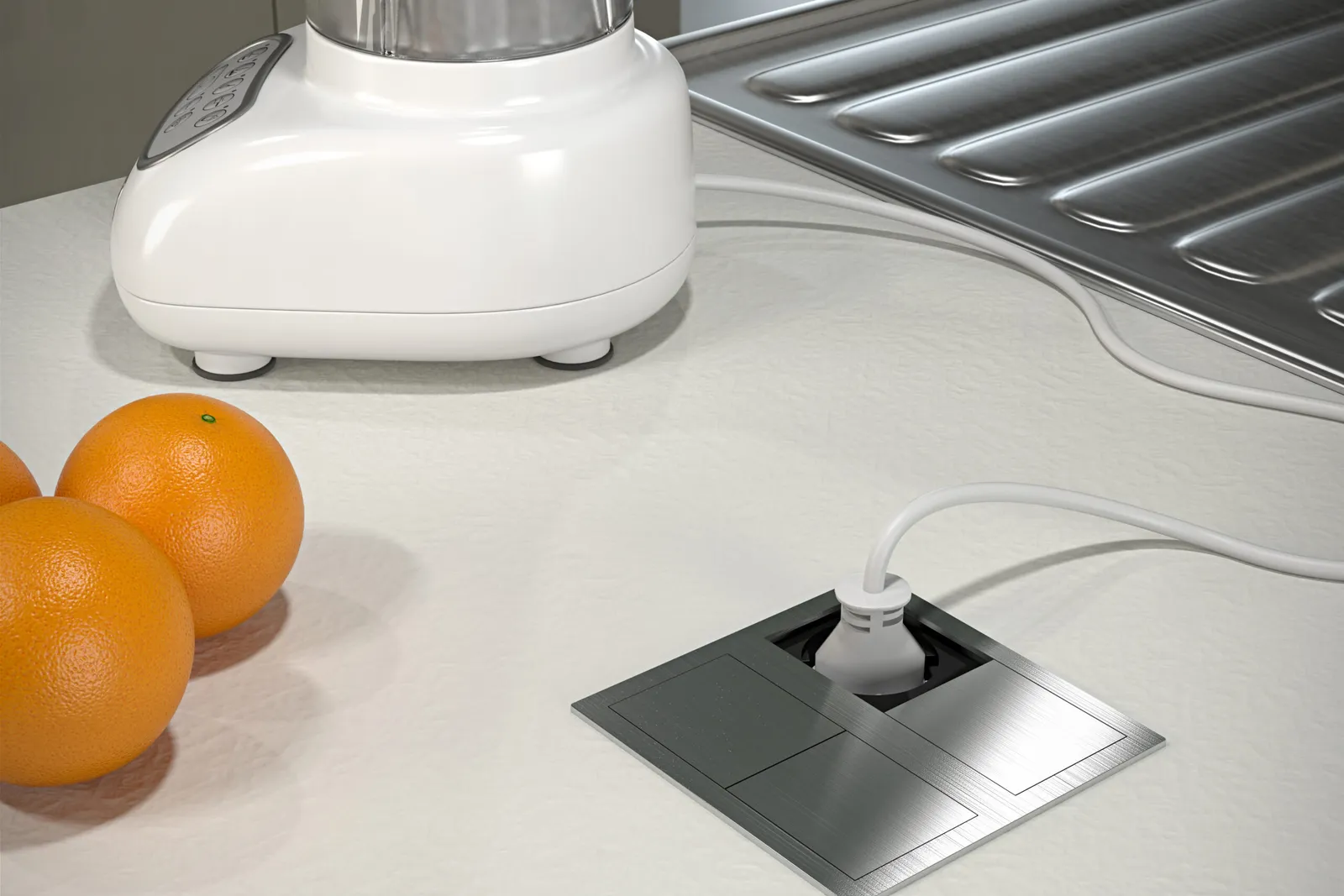
The many appliances in a kitchen naturally need power. Add the mobile devices used by every member of the household, all of which need charging, and it is clear that you can never have enough sockets in a kitchen. Even so, there are solutions that take you a step in the right direction. There are, of course, standard wall sockets, as well as USB sockets designed specifically for charging mobile devices. Not keen on having sockets all over the walls? Then a socket unit built into the worktop could be just the thing. It can be neatly concealed in a stylish housing, or even fitted with a lift mechanism that raises the socket unit when needed. How about a vacuum sealer? Build it into the worktop. And then there is the latest innovation: an induction hob beneath the worktop. Worktop specialists have the expertise to make these innovative solutions possible.
How do you choose the right worktop?
Consumers may be better informed than they used to be, but making the right choice is still not easy. Guide them towards the right decision. A consumer’s lifestyle and usage patterns are important factors, so you need to find out what they are. Do they cook every day, or only occasionally? If they spend a lot of time in the kitchen, recommend a worktop that is functional, with the right qualities, and easy to maintain. Also underline the importance of choosing for the long term. Marble and granite may be a little more expensive than alternatives in other materials, but they could prove a worthwhile investment over time. They can increase the value of the kitchen, and therefore the home. Make sure you look for suppliers with full-size samples. A sample wall in the kitchen showroom is certainly useful for an initial selection, but a worktop of that size will always look different. Every piece is unique, after all, just like nature. Imagine choosing a sample without a prominent vein, only to end up with a worktop featuring a striking vein running its entire length. It is an undeniable fact that choosing a worktop is like putting together a puzzle, with functionality, aesthetics and durability as the pieces. Put them together in the right way and the dream kitchen will have its dream worktop.
Question about this story? Ask your question
Keep following this
Get an email when a new story is published. No account needed.
- ThemeKitchen design for everyday life
- SubjectWorktops