Freestanding or built-in?
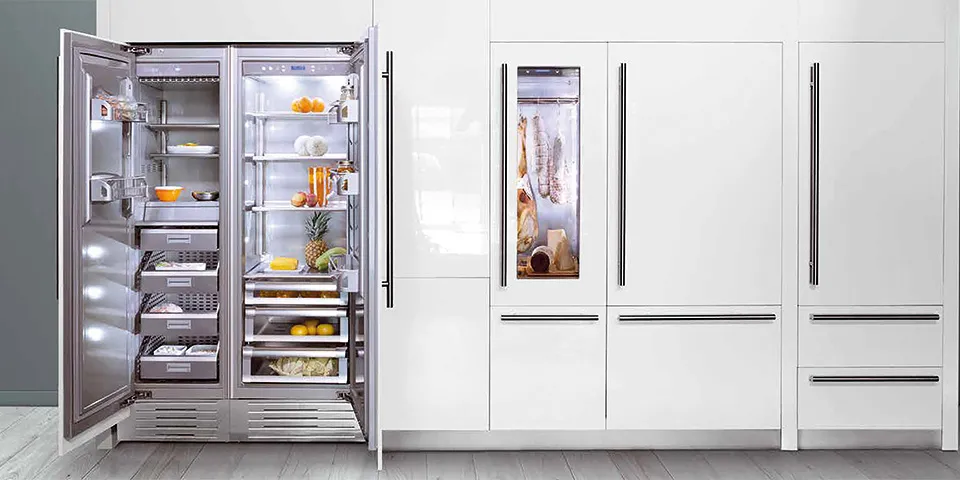
Fridges and freezers have become indispensable in the kitchen. In the past, a functional appliance was enough, …
Fridges and freezers have become indispensable in the kitchen. Whereas a functional appliance used to be enough, design and colour now matter too. The features have not been overlooked, quite the opposite. An increasing number of useful features help keep our ingredients fresh for longer.
Drawbacks
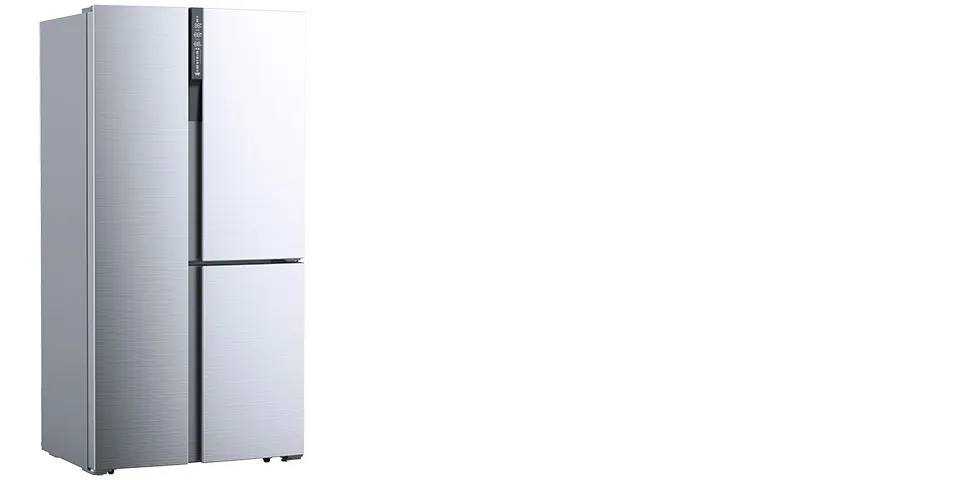
Worktop manufacturers call worktops the most important item in the kitchen. Sink manufacturers say that sinks are the heart of the kitchen. For manufacturers of fridges and freezers, the answer is logically that no kitchen is complete without a (good) fridge. The options are extensive, for both freestanding and built-in models. This brings us to the first important choice to be made, one that also has a direct impact on, and is influenced by, the design of the kitchen as a whole. Will you choose a freestanding or a built-in model? Most manufacturers offer both options, with only a few focusing entirely on one of the two.
Practical installation tips
For both freestanding and built-in models, it is best to bear a few points in mind. As far as possible, avoid placing the appliance right next to or below a heat source (oven, radiator, hob). Direct sunlight should also be avoided. Heat makes the compressor work harder, affecting both the appliance’s lifespan and its energy consumption. For practical reasons, it is best not to place the fridge too far from the worktop. This means the door is left open for less time and temperature fluctuations are kept to a minimum. Last but by no means least, think carefully about the storage capacity and temperature zones a household needs. When deciding which appliance to choose, always take eating habits and the number of people in the household into account. As a general rule, a fridge should have a net capacity of 70 to 100 litres for a household of one or two people. Add 40 to 50 litres for each additional person. For a freezer, frequency of use is an important factor. Those who use their freezer often should allow for a net capacity of 130 litres per person. A net capacity of 50 to 80 litres is sufficient for less frequent use.
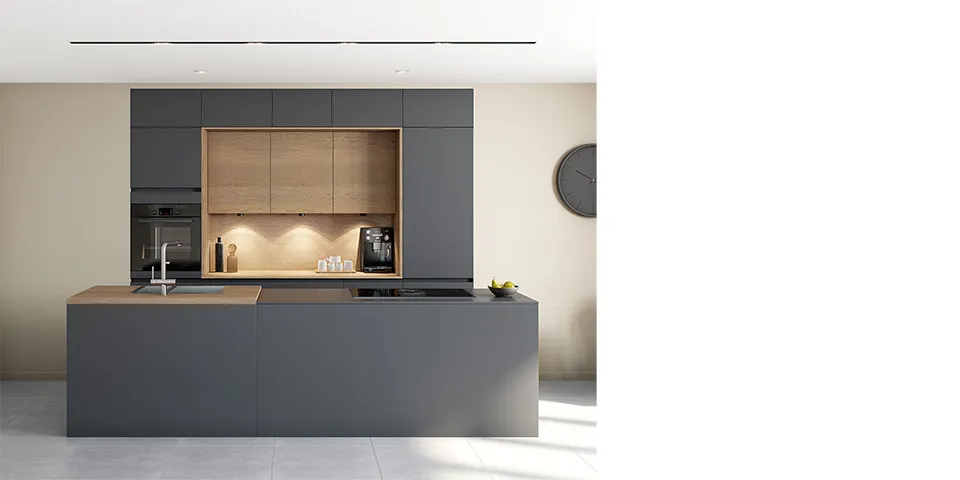
The kitchen layout also determines which fridge is chosen.
An additional appliance
A fridge or fridge-freezer in the kitchen is sometimes no longer enough, prompting the addition of a second appliance, often in a garage or garden shed. But is that really a good idea? Garages and garden sheds are subject to different temperatures from kitchens. One good tip: check with customers where the appliance will be placed and what the conditions are like there. One good tip for customers: check the appliance’s internationally standardised climate class. This indicates the ambient temperatures in which the appliance operates optimally. There are four categories: SN (subnormal, from 10°C to 32°C), N (normal, from 16°C to 32°C), ST (subtropical, from 16°C to 38°C) and T (tropical, from 16°C to 43°C). A combination of two categories is perfectly possible. For example, an appliance with climate class SN-T operates optimally within a range of 10°C to 43°C. Temperatures below 10°C are not covered by this international standard. It is best to ask manufacturers for information on this.
Other points to consider
Rising energy prices have also increased consumer interest in the most energy-efficient appliances. Several manufacturers report that energy efficiency is an important, if not the most important, factor driving appliance purchases. Consumers also scrutinise an appliance’s functions and features, as well as its different zones, which can be set to cool or freeze as required. Naturally, consumers are discerning and want plenty of options to choose from, including different sizes, colours and door styles.
Question about this story? Ask your question
Keep following this
Get an email when a new story is published. No account needed.
- ThemeTailored refrigeration and storage
- SubjectLighting