Recirculation powered by plasma technology

An invention that has changed the lives of many people, including those of its inventors. We are talking about the self-cleaning recirculation filter from Dutch company PlasmaMade. Martin van der Sluis, the driving force behind the filter, developed it together with his brother. Today, they are taking it around the world.
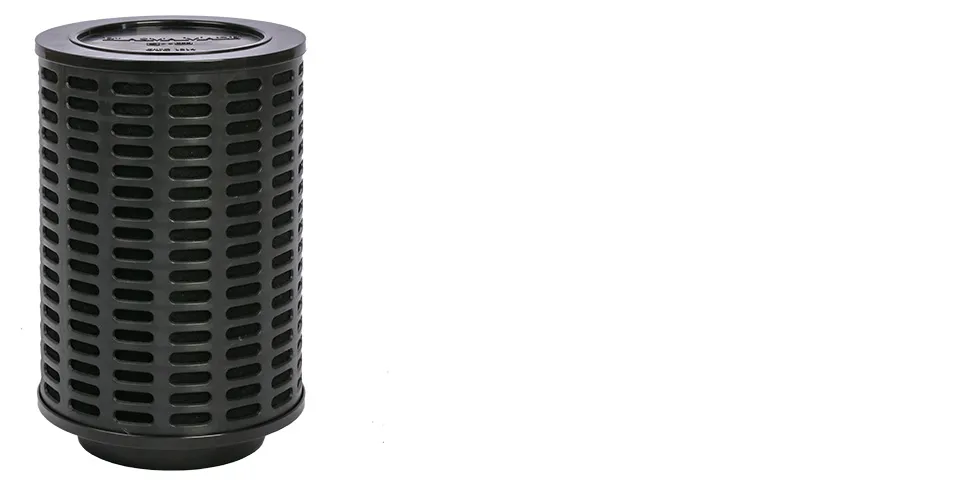
The filter that started it all: a round version that fits all traditional cooker hoods.
A personal story lies behind the PlasmaMade Airfilter. Allergies suffered by Martin van der Sluis’s young son prompted him and his brother to improve the air quality in their home. The solutions available at the time failed to meet their requirements. After five years of development, the PlasmaMade filter was ready: a relatively compact solution that can be fitted to almost all new and existing cooker hoods. One major advantage of the filter is that, alongside cooking fumes, it also removes dust, pollen and bacteria from the extracted air.
How does the filter work?
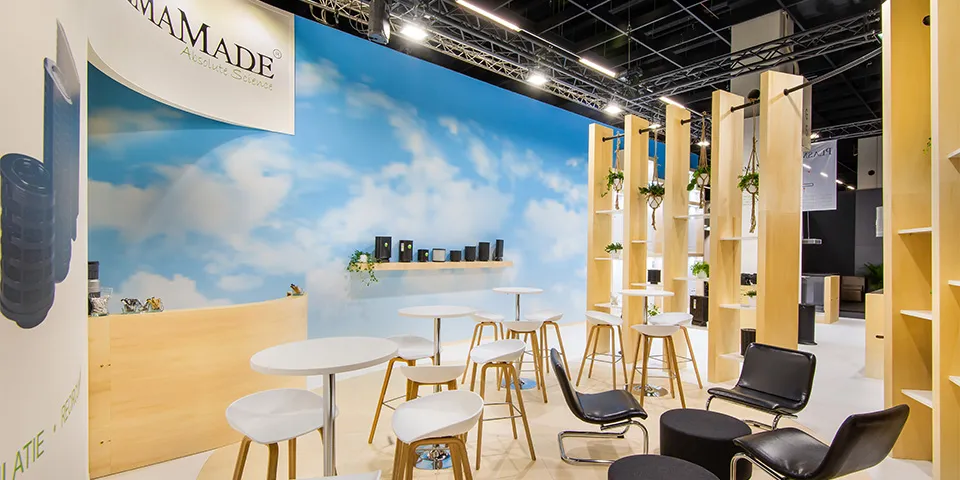
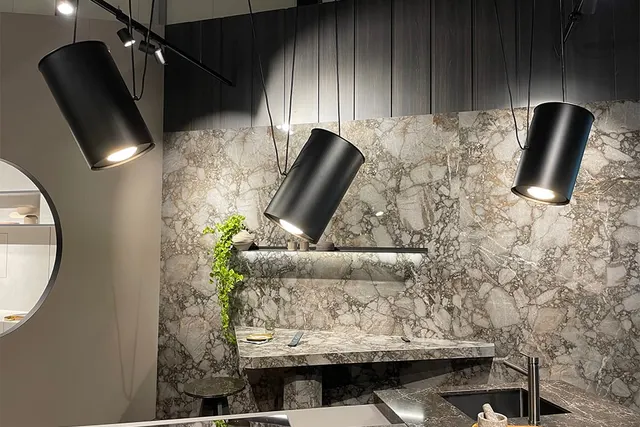
A stylish, open display at Living Kitchen in Cologne, with the filters taking centre stage.
The filter uses several technologies to remove unwanted elements from the air. First, the cooker hood’s grease filter removes grease and other larger particles from the cooking fumes. As soon as the cooking fumes reach the PlasmaMade Airfilter, it switches on automatically. The first stage of filtration takes place in an electrostatic filter on the outside of the housing. This effectively burns up solid particles in the airflow. Next comes the plasma. This is injected into the filter and destroys everything it encounters: dust, pollen, bacteria, odours… Finally, a carbon filter cleans the air one last time before it is blown back into the room.
Safety comes first
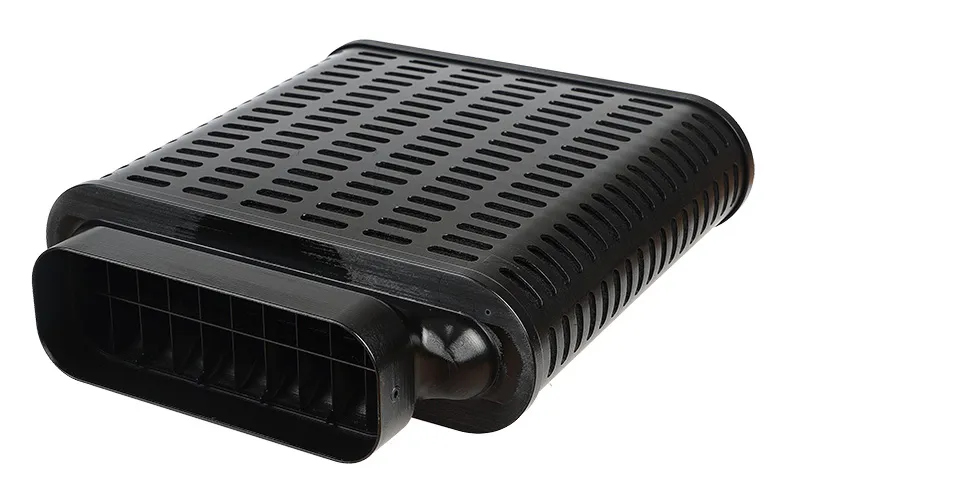
PlasmaMade has developed a solution for the increasingly popular downdraft extraction systems.
Anyone working with plasma has to deal with ozone as a by-product. Van der Sluis is well aware of this. “We know that our filters do a great deal to clean cooking fumes, but we must keep safety in mind at all times. European regulations stipulate that the measured level must remain below 0.05 ppm. Otherwise, the product cannot be used, let alone sold. We have our own laboratory with three test chambers where we carry out continuous measurements. Our R&D department is also constantly researching ways to improve performance, including by optimising the software in our filters. The laboratory currently measures ‘only’ 30 square metres, but construction of a larger building with a 400-square-metre laboratory is nearing completion. The expansion was needed as major cooker hood manufacturers are now also finding their way to Staphorst, our home base. We test the performance of their cooker hoods in combination with a PlasmaMade filter.”
Question about this story? Ask your question
Keep following this
Get an email when a new story is published. No account needed.
- ThemeCooking with smart appliances
- SubjectLighting