A new eyecatcher on the scene
Text Tom Rampelbergh Beeld Franke, Reginox, Blanco, Deba Keukens
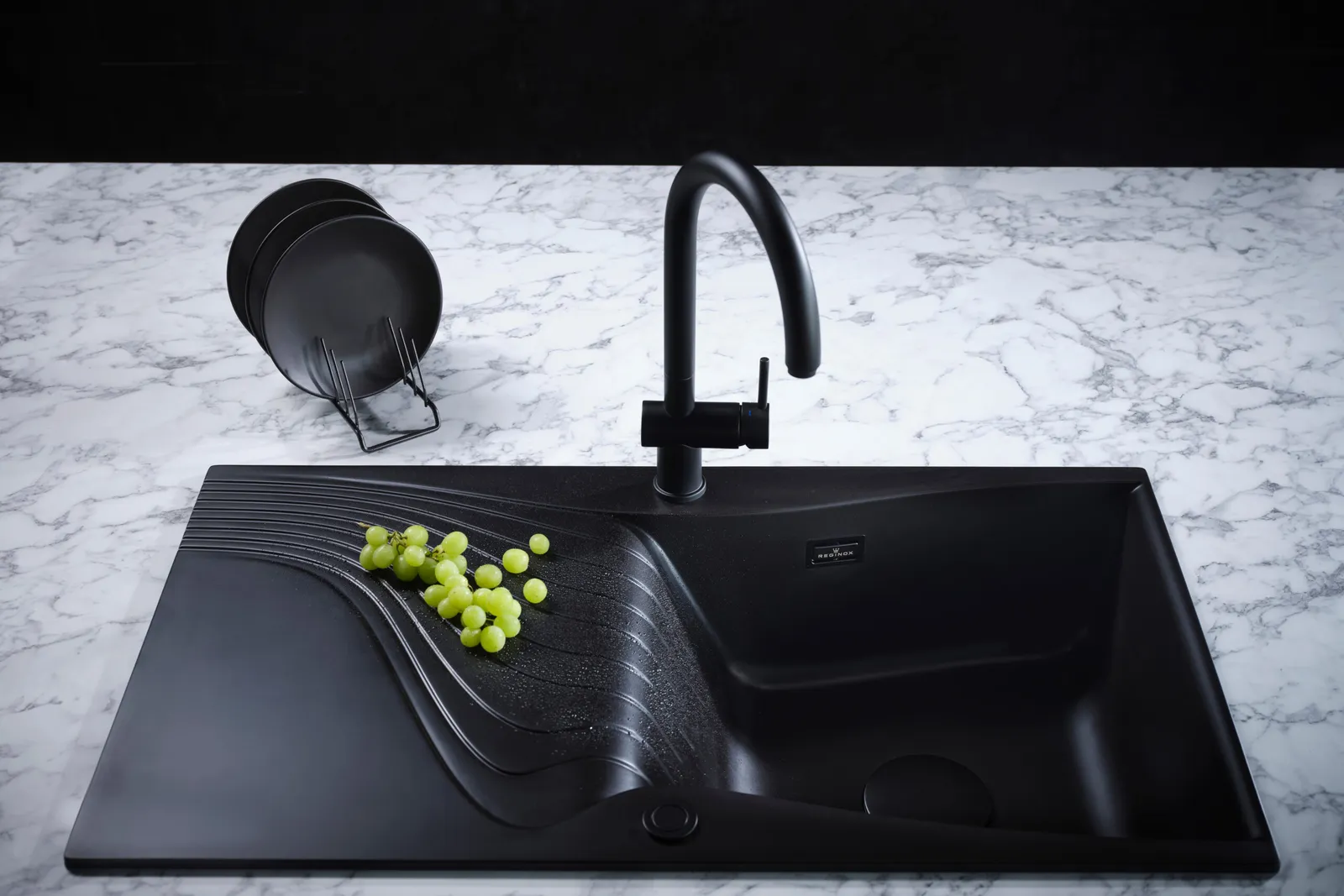
The sink is undoubtedly one of the most frequently used fixtures in the kitchen. We have long since stopped washing the dishes in it, with a few exceptions. Even so, it continues to play a part in everyday kitchen use. So much so that sink manufacturers keep looking for innovations that give them an edge over their competitors.
The innovation train keeps thundering on, and no kitchen appliance is immune. Fortunately. Sinks, too, are subject to a constant drive to innovate. We are seeing our shared focus on sustainability, wellbeing and the environment make its way into the world of sinks. Sustainability is no longer just a buzzword: it is a sound selling point, and one that can tip the balance when choosing whether or not to buy a particular product from a particular manufacturer. Price, functionality, hygiene and sustainability all sit side by side. Sustainability, however, is a broad and vague concept, an umbrella term covering a great deal. It encompasses everything from the material to production and finishing, and transport to the final destination. Every stage shapes a product’s sustainability credentials, so each one needs to be considered.
Installation trend
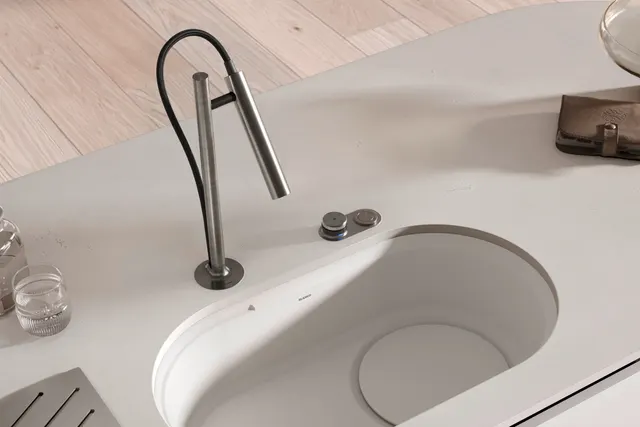
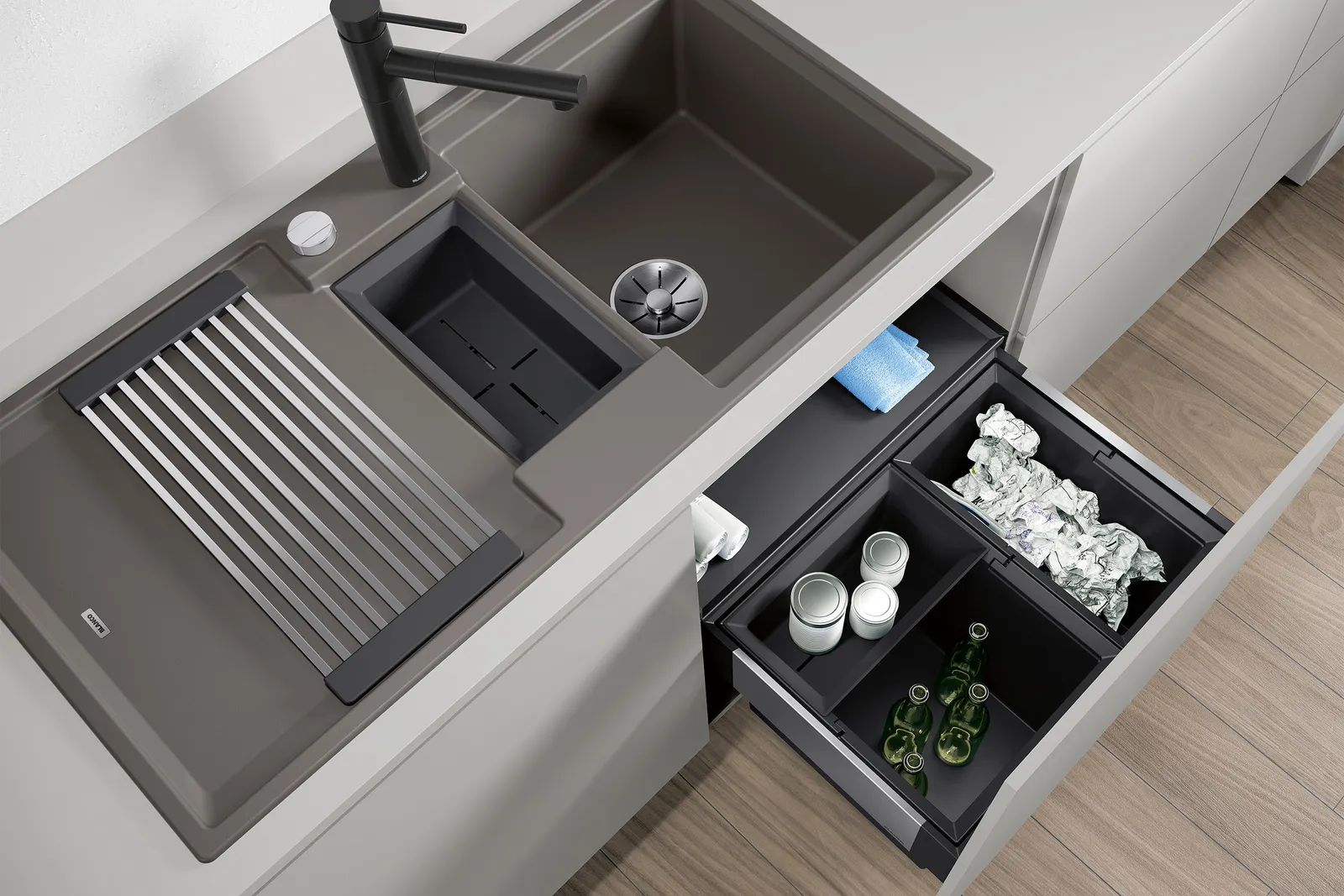
Much has already been written about the different ways a sink can be integrated into a worktop. As specialists, you need no lengthy introduction to them, nor to the fact that consumers choosing a kitchen have a clear preference for a neat, minimalist design. That is also why the rimless sink is gaining attention and popularity. This is an undermount sink with no lip around the edge. Dirt and bacteria have nowhere to collect. It is also easier to clean. It is the ideal way to fit a sink into a worktop, appealing both to trend-conscious consumers who want to keep up with what is popular and to those who are health-conscious.
A coherent whole
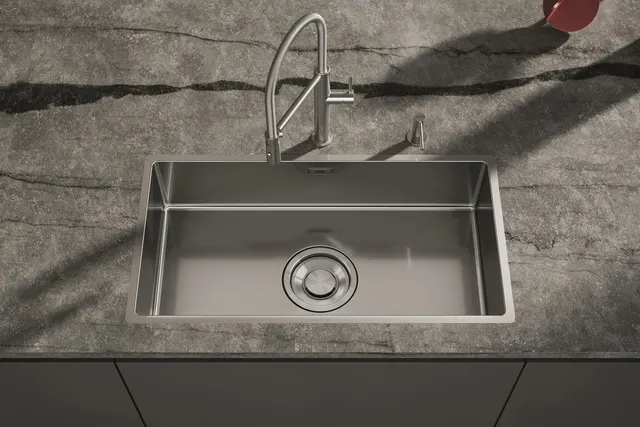
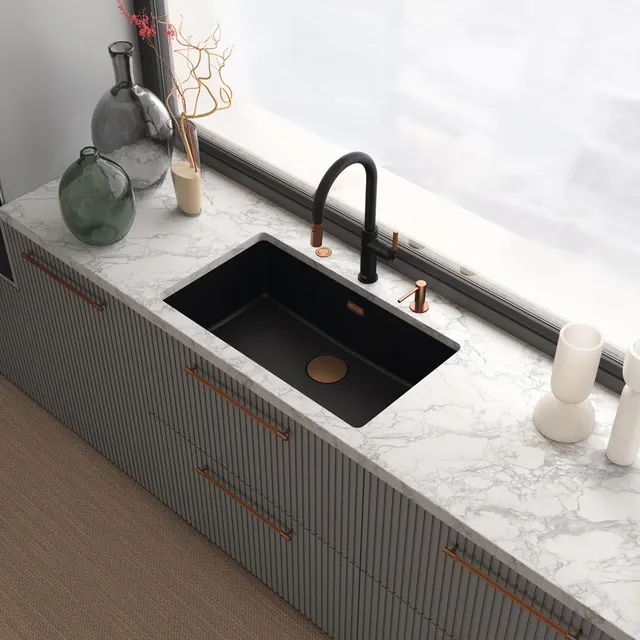
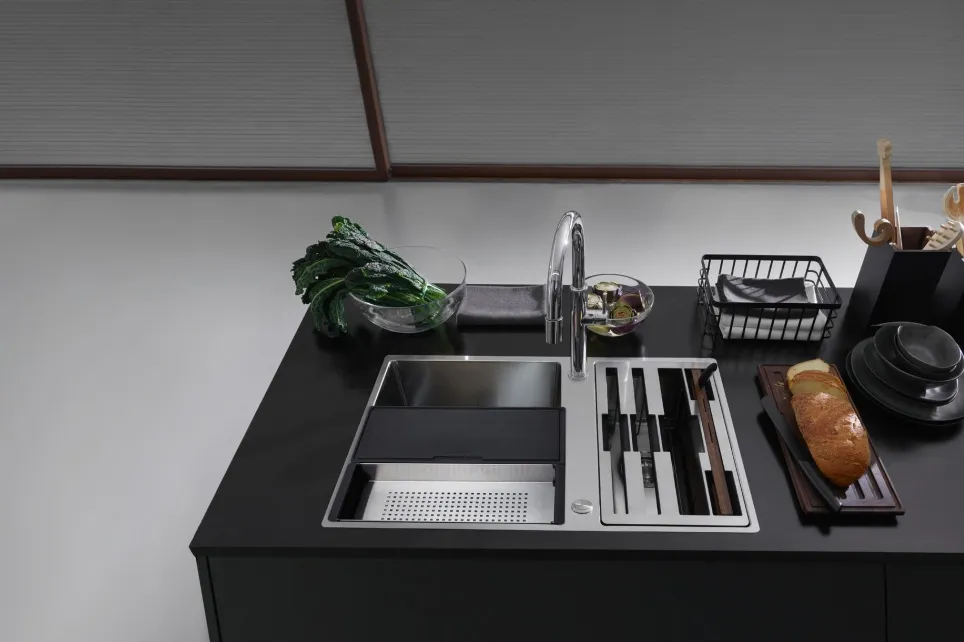
We need not explain the different kitchen styles to you either. Tastes clearly differ, and that is a good thing. But those different tastes also call for a wide range of materials and colours, from built-in ovens and hobs to cabinet fronts and, yes, sinks. Nobody wants a garish colour palette like one put together by a toddler holding a felt-tip pen for the first time. What people want is a coherent whole with the atmosphere and look they are after. Sinks play a part in that, too. Fortunately, sink manufacturers are keeping pace, with extensive ranges of colours in different shades. There is bound to be one that matches each consumer’s specific requirements.
A rebrand to be reckoned with
If you were to advertise for a new sink and draw up a job description, you would end up with a very long list. Today, after all, the sink is used for far more than it was, say, twenty years ago. Back then, fruit and vegetables were cleaned in and around the sink, and the dishes were washed there. That was it. Today, washing dishes in the sink is barely a thing. Talk about reinventing the sink.
Or, to put it in today’s marketing jargon: the rebrand has been a success. Despite a partial shift in its core business, the sink remains an essential feature of the kitchen, with an expanded remit.
More than just a sink
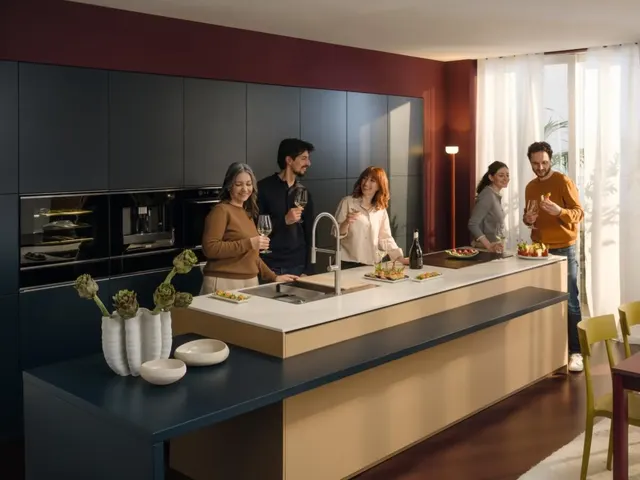
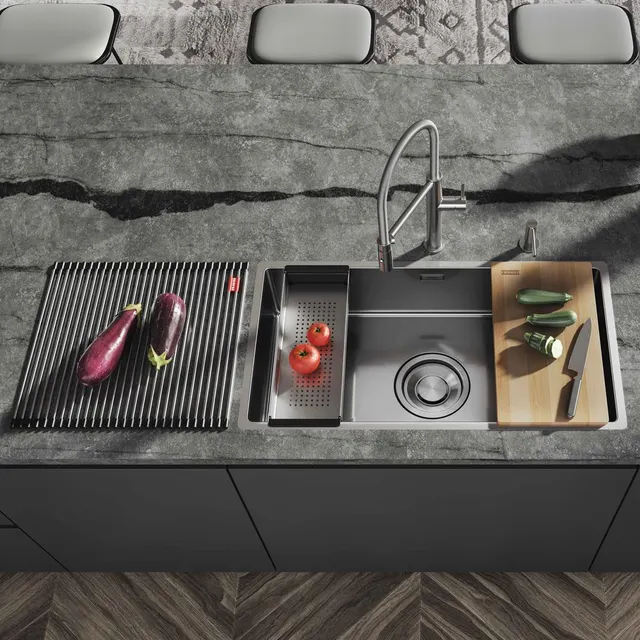
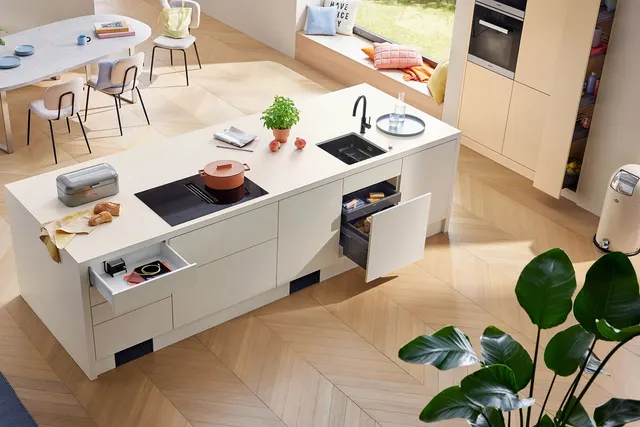
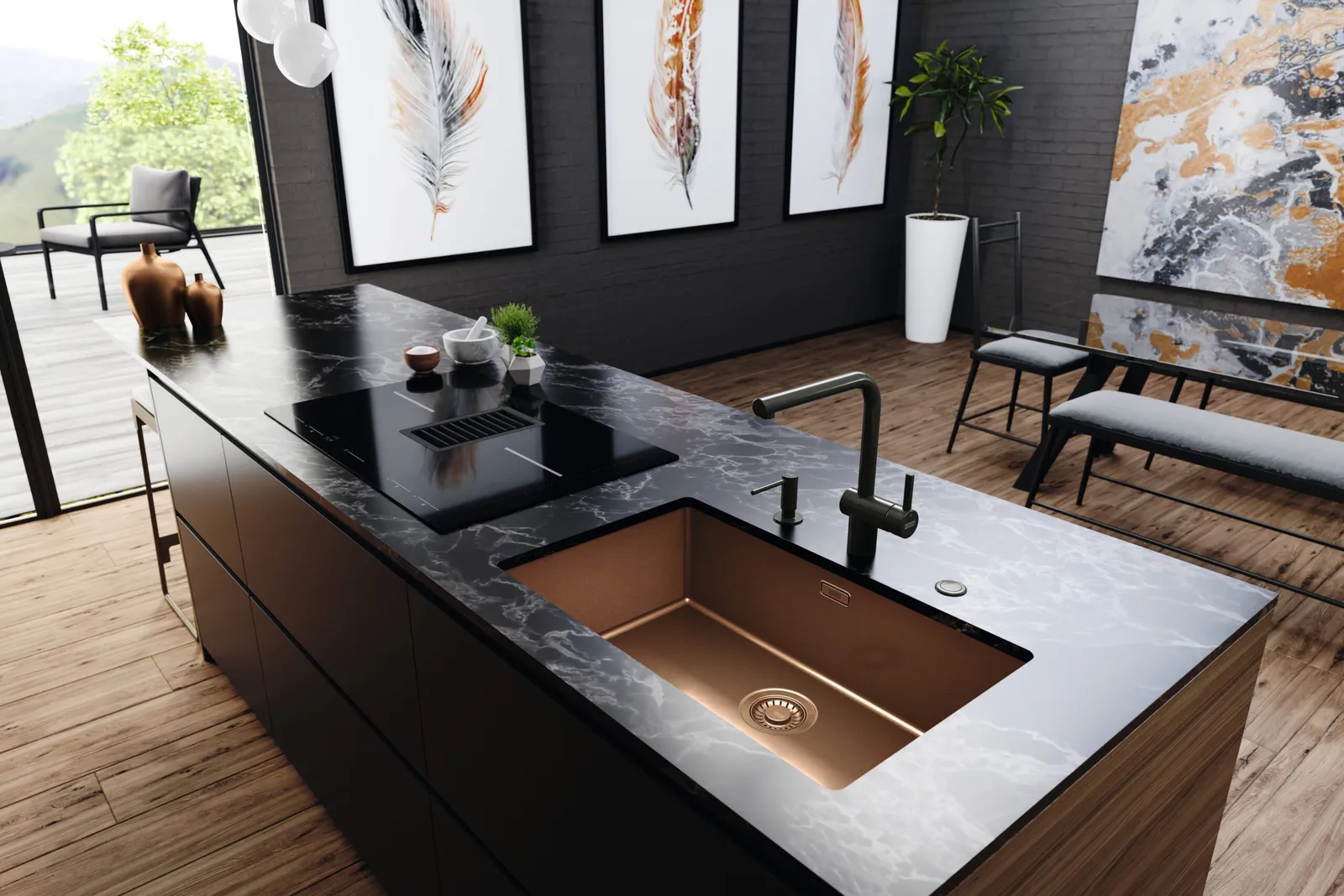
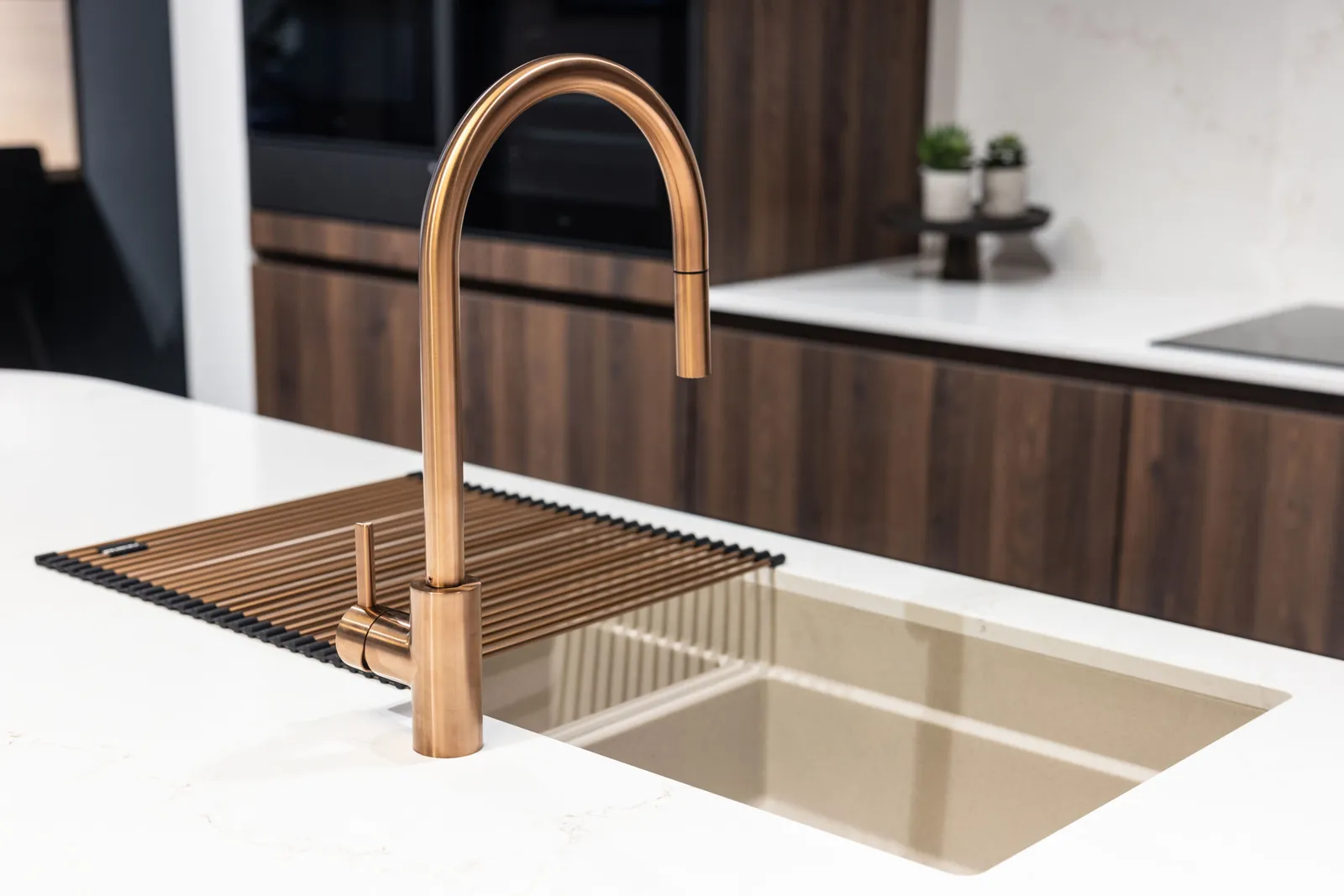
We still call it a sink, but we do more with it and around it than ever before. It can even be used to prepare an entire meal. Manufacturers pay close attention to the sink’s shape and functionality, enabling it to become a multifunctional workstation, even when space is limited. A shelf designed to fit over the sink creates extra worktop space, for example for preparing ingredients. It also helps conceal dirty dishes until you put them in the dishwasher. As the kitchen becomes the ultimate social space, keeping it tidy becomes more important, hence the handy accessories that make this easier. Alongside shelves that sit over the sink, there are plenty of other useful accessories. What is more, some manufacturers combine the sink, tap and storage options into a single unit. The sink is increasingly becoming part of a fully fledged ecosystem that brings together a range of functions. In other words, a functional and aesthetically pleasing whole, and even an extra eyecatcher in the kitchen. This is especially true in homes where the kitchen and living area form one open space. And that is the first choice for many consumers.
Question about this story? Ask your question
Keep following this
Get an email when a new story is published. No account needed.
- ThemeThe sink zone as a workspace
- SubjectSinks & taps