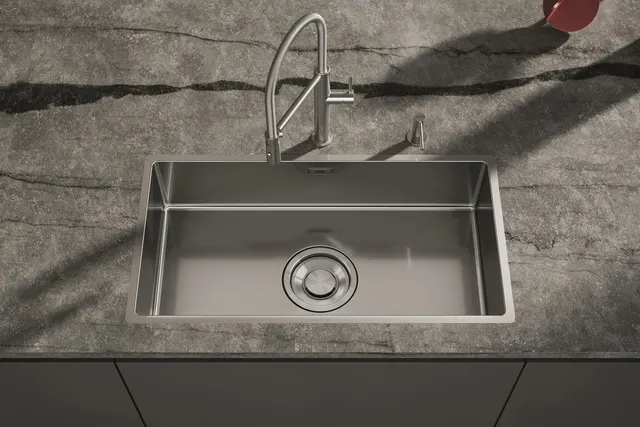
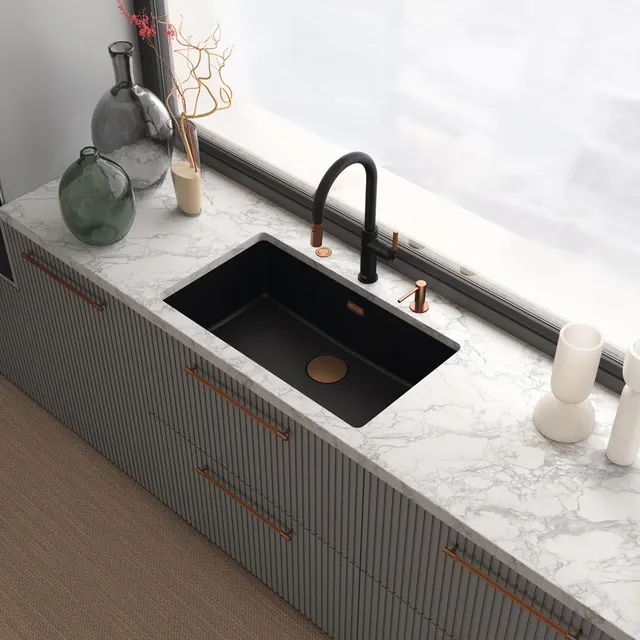
How should you equip your professional kitchen?
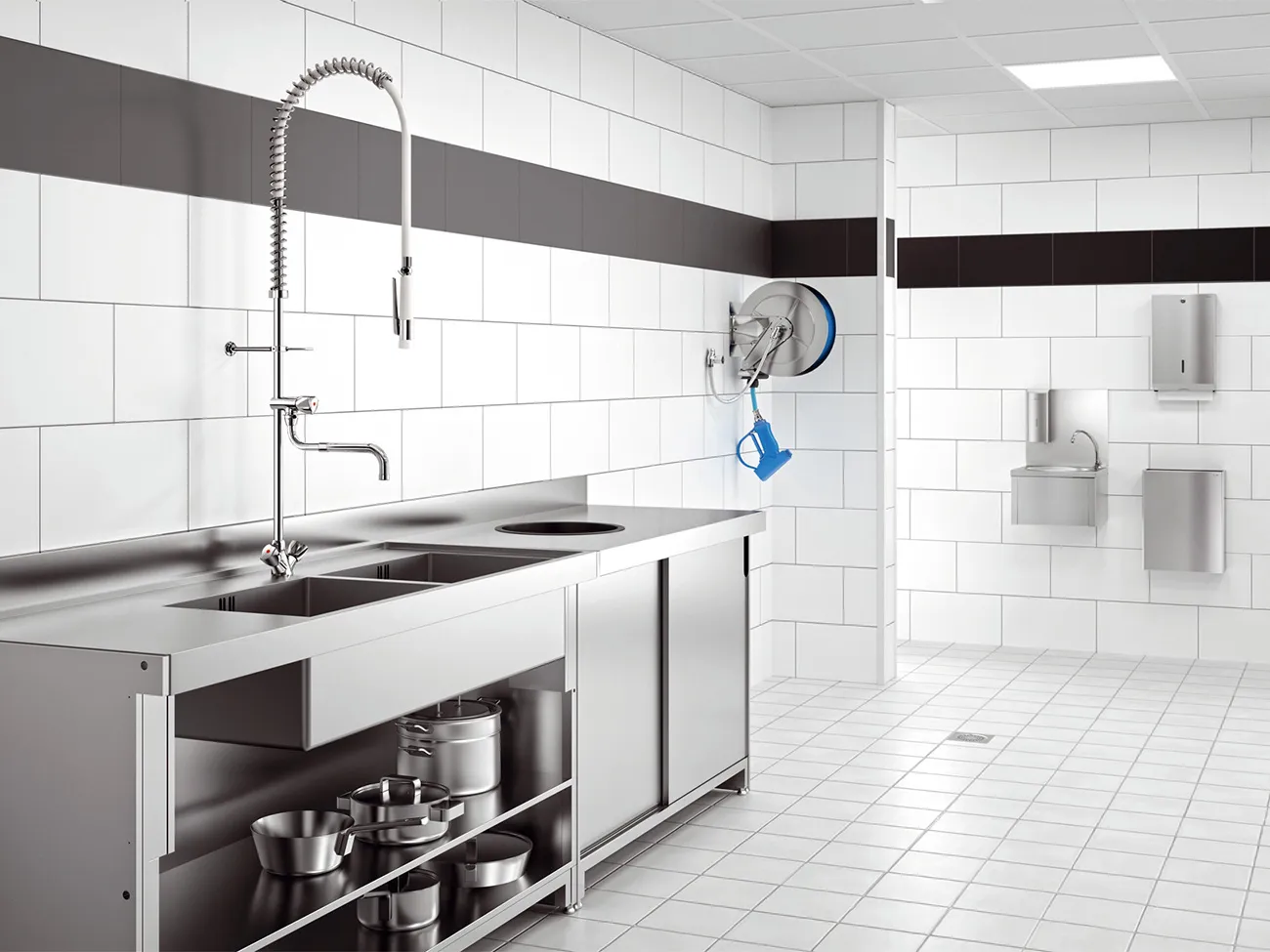
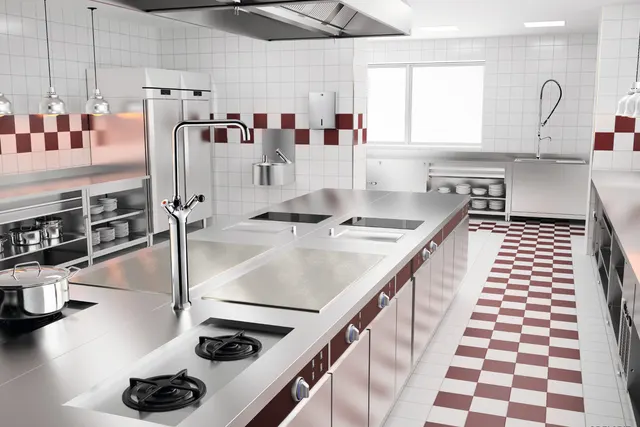
In commercial kitchens, taps and sanitary facilities must meet legal requirements for potability and hygiene. With intensive use, equipment should be selected according to quantitative needs, such as the number of covers and type of catering, as well as qualitative needs, including compliance with hygiene standards, ergonomics and functionality.
Pre-rinse units, taps, hand-wash basins… the quality of the tapware is essential for optimum productivity in professional kitchens. Here’s a reminder of the criteria to consider when equipping your professional kitchen.
Hygiene
Hygiene is the watchword in the kitchen. Kitchens must be equipped with suitable hand-wash basins, supplied with hot and cold water and operated without manual contact, as well as facilities for washing and drying hands in appropriate locations. Taps used for washing food and rinsing equipment must be separate from the sinks. Toilets must never open directly into an area where food is handled.
Looking at the details, it is advisable to use bacteriostatic stainless steel, column-mounted pre-rinse units with spouts that have smooth interiors and no corners, and are small in capacity. They should be fitted with hygienic flow straighteners with anti-limescale spray nozzles and no grille, to avoid the risk of bacterial niches developing. The hoses used in pre-rinse installations and the shower heads should also be made from food-grade material, such as Hytrel.
Finally, sink outlets should be fitted with concave, chrome-plated polished brass grates. These prevent water from collecting, allow free drainage and have no central screw, which helps prevent residue from sticking and reduces microbial niches.
Durability
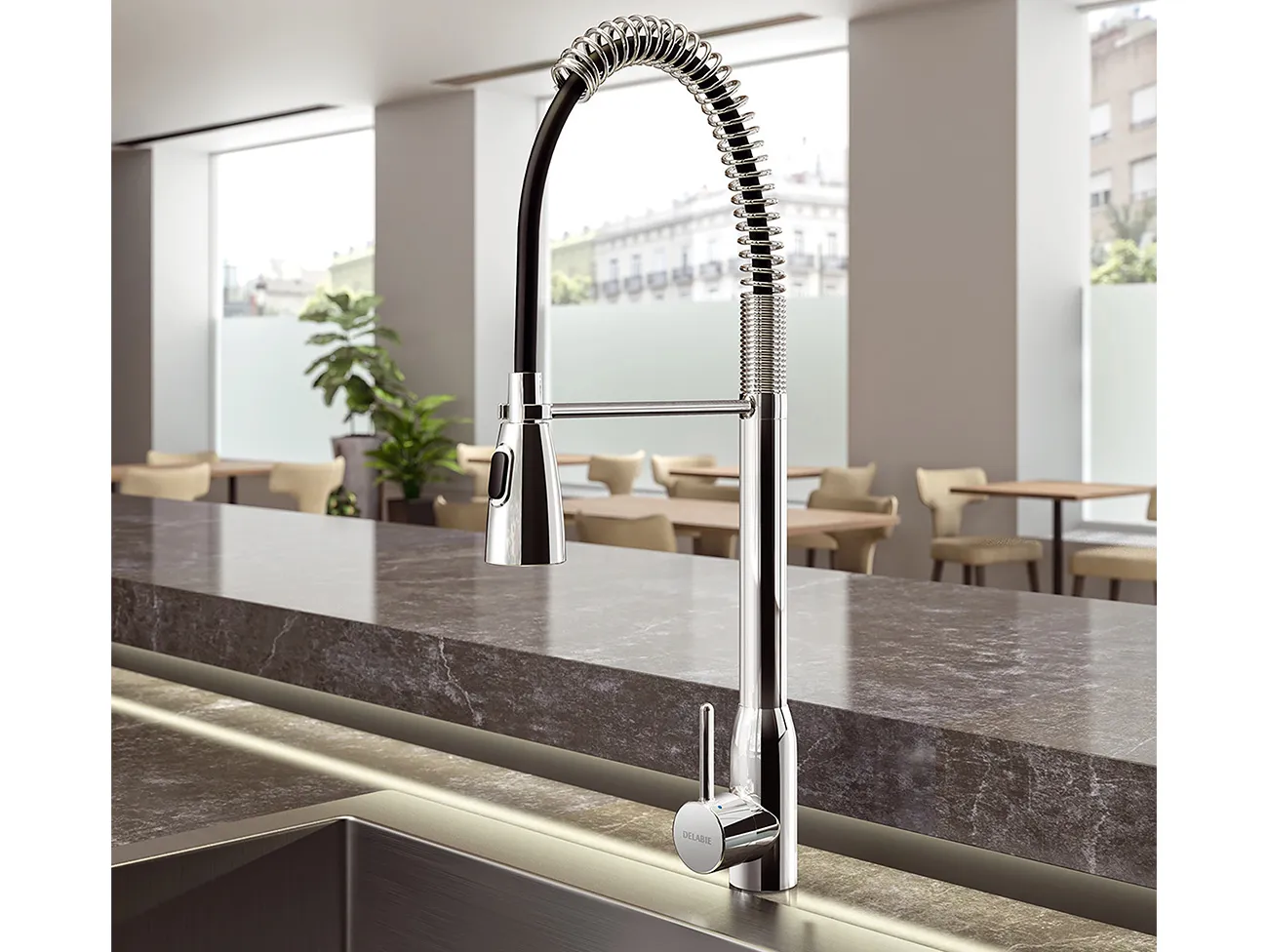
Kitchens are used intensively, and during the rush of service, taps must withstand pots and pans knocking against them and rough handling when they are opened. To meet these demanding requirements, solid brass or stainless steel products are preferred, with thick stainless steel spouts that can withstand impacts.
The flexible hoses on shower heads and pre-rinse sprays should be made from braided stainless steel with a PEX core, or have a PVC coating over the tension-bearing section (reinforced, non-slip polypropylene). Stainless steel has traditionally been the material of choice for institutional kitchens, thanks to its ease of maintenance and resistance to intensive use and damage, whether accidental or deliberate.
Ease of use
In the catering sector, where equipment is used intensively, particular attention should be paid to ergonomics and user comfort. To make taps easier to use during busy periods in the kitchen, they should be fitted with easy-to-operate handles and levers. Telescopic and swivel spouts also make it easier to manoeuvre large pots and fill sinks.
Maintenance and care
Here too, the aim is to simplify tasks and keep costs down. Taps with streamlined designs are easier to clean and disinfect. Seals, filters, check valves and mixer taps should be checked annually to ensure the hygiene and durability of installations and equipment.
Maintenance is also made easier by designs that allow components to be removed and replaced easily. Spare parts are often standardised to keep costs down.
It is also worth checking the product warranty, which can extend to ten years for the major kitchen ranges offered by highly specialised manufacturers such as DELABIE.
A business enquiry for Delabie? Get in touch
Companies in this story

Keep following this
Get an email when a new story is published. No account needed.
- ThemeFrom kitchen to bathroom
- SubjectSinks & taps
- CompanyDelabie