No kitchen without a tap
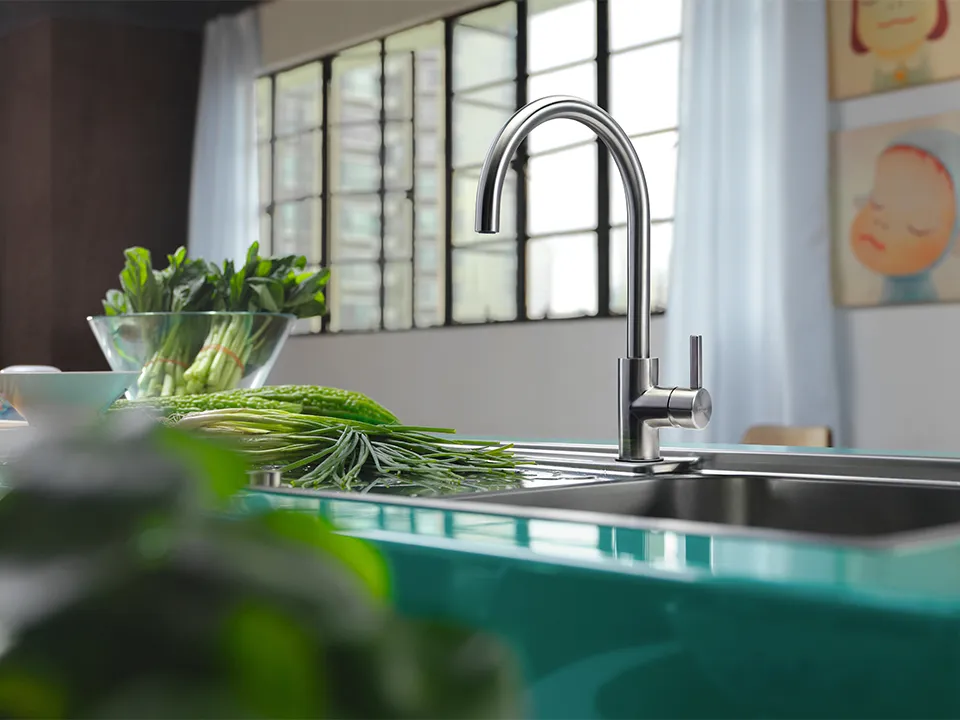
Walk through any kitchen and you will always notice a few familiar features.
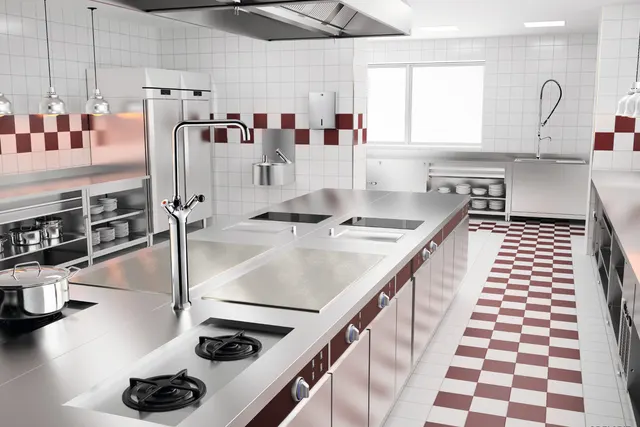
There is always an oven, along with a hob and extractor (whether integrated into the worktop or the hob itself), a worktop and… the kitchen tap. Without the latter, you are nowhere. It remains the most-used appliance in any kitchen.
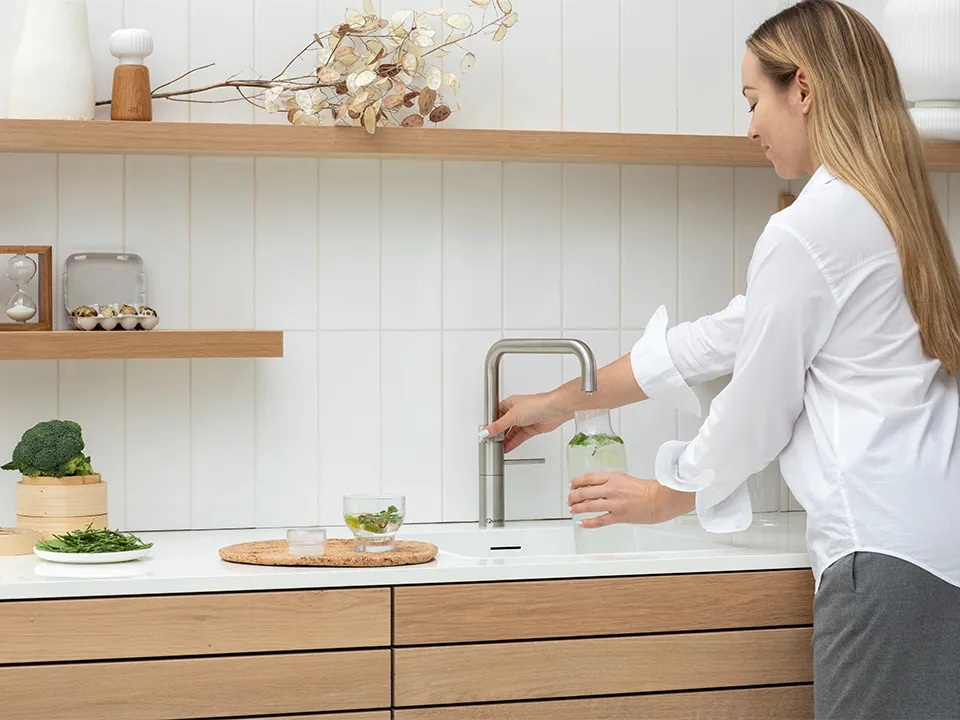
Predictions about ‘the kitchen of the future’ surface from time to time. It is always interesting to read how trend forecasters and other specialists envisage the (near) future, and how futuristic, perhaps even shocking, their visions can be. They take account of trends we can already see today, but are not afraid to think outside the box. In recent years, we have seen concepts in which robots took over every task, drones collected orders from shops and delivered them neatly to the kitchen (even dropping them in the fridge or pantry), and a hob, for example, could also be used as a dining table before being transformed into a multifunctional play and work area. One constant in all these predictions is the presence of the kitchen tap. Admittedly, we will not comment on its size or design. Taste is personal, as is the style of the kitchen itself. But a kitchen without a tap is a step too far, even in the most futuristic and daring visions of the future.
Convenience above all
We would never consider having a kitchen without a tap. But tap manufacturers’ R&D departments give the tap itself plenty of thought every day: its design, existing features that could perhaps be improved, and additions that could make life even easier for consumers. The kitchen tap has evolved considerably in recent years, both aesthetically and functionally. So much so that many consumers wonder whether it is still possible to develop additional features. Consumers in the past may have asked the same question when the kitchen tap was simply a useful fixture providing hot and cold water. They probably could never have imagined that a tap could be developed with a pull-out spray, that it would even be possible to position a tap right in front of a window and still use the window. Long live the tap with a body that can be ‘folded down’. Who would ever have dreamt that taps could deliver not just hot and cold water, but boiling and sparkling water too?
Demanding consumers
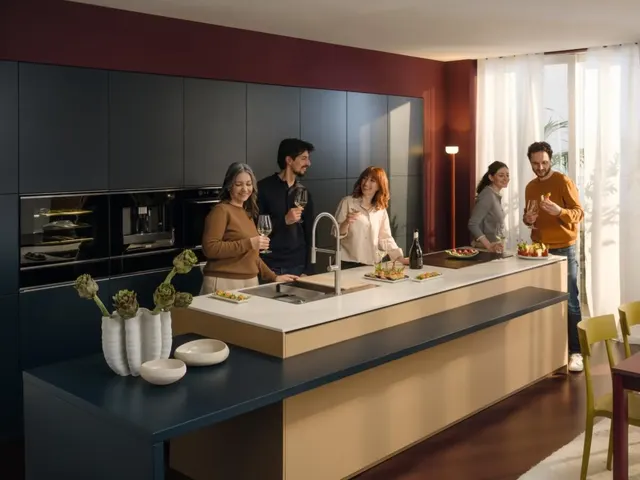
Above all, a kitchen tap must do what it is designed to do: supply water when the user needs it. But today’s consumers expect more than that, not just from kitchen taps but from every item they buy. A kitchen tap is on show for everyone to see, proudly displayed by the sink. Everyone who comes into the kitchen (or looks into it when the kitchen and living area form one open-plan space) sees the tap.
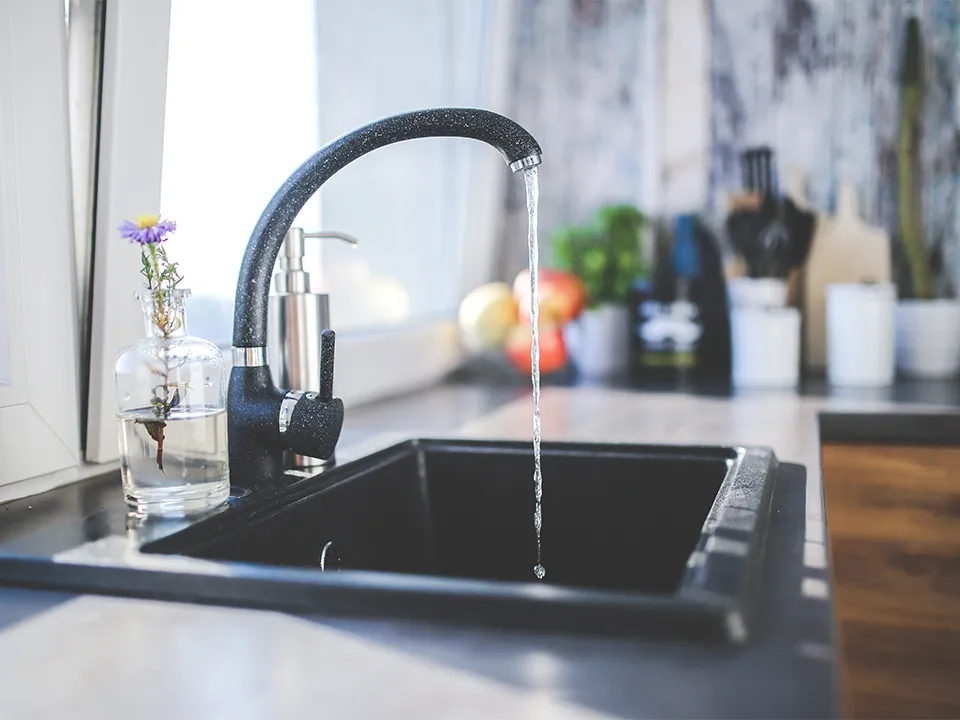
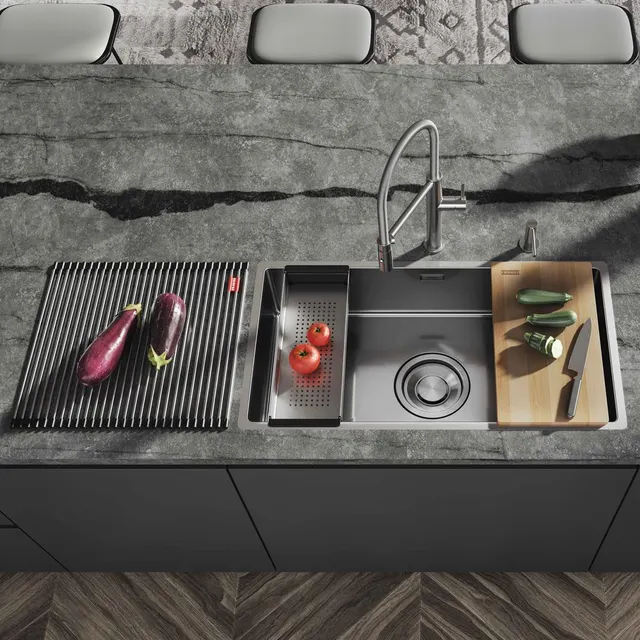
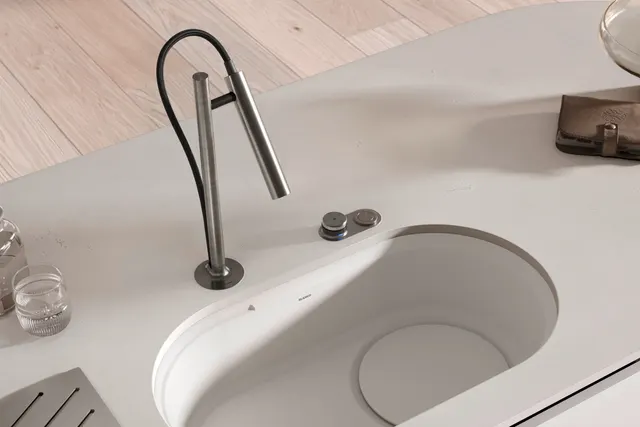
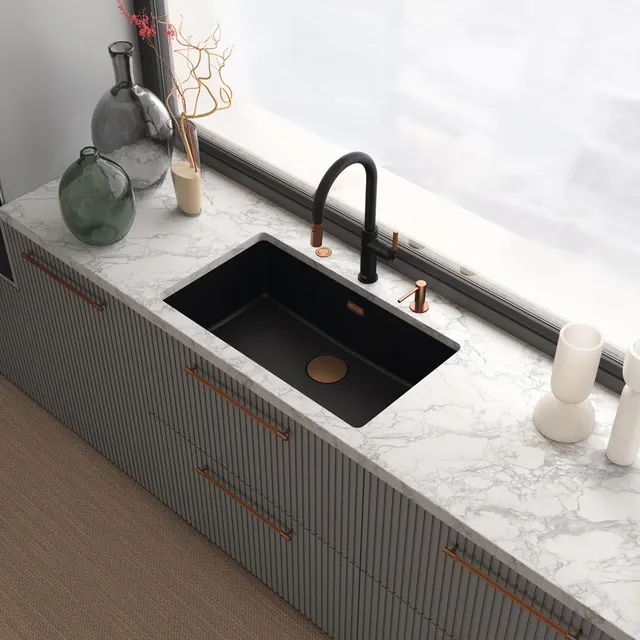
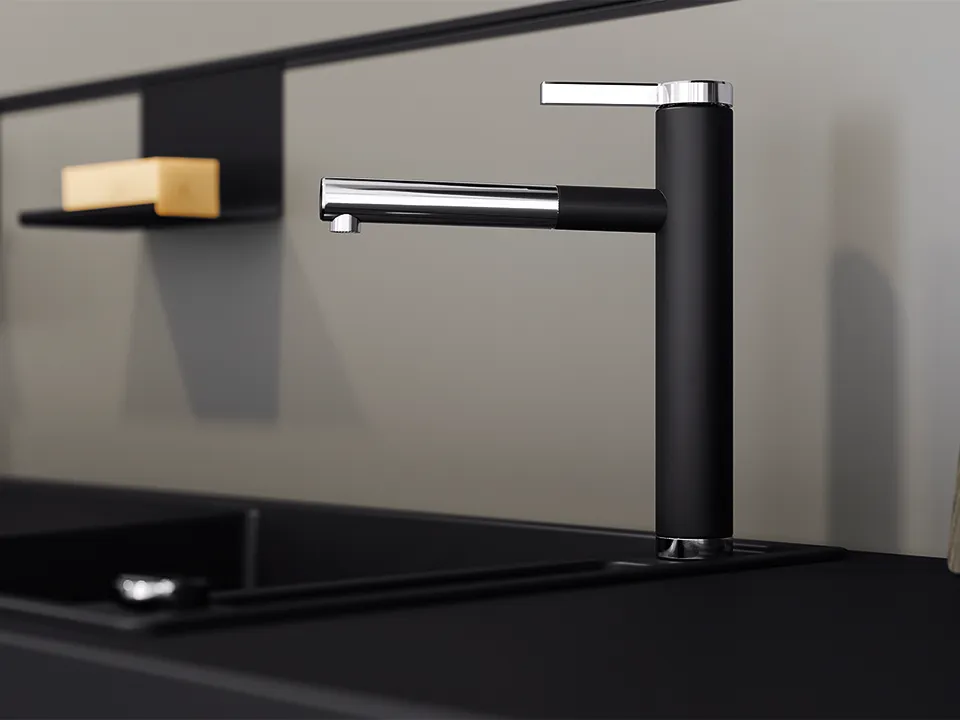
We therefore expect it to be a thing of beauty, a tap that suits the style of the kitchen. Manufacturers are now developing extensive ranges to meet every possible demand. High, low, straight, curved, you name it. There is also an enormous choice of finishes. Several manufacturers are responding to the possibility that customers may be fickle and want to change colour from time to time. Their solution: taps with a colourful outer sleeve that customers can change themselves.
Question about this story? Ask your question
Keep following this
Get an email when a new story is published. No account needed.
- ThemeThe sink zone as a workspace
- SubjectSinks & taps