Why is PVD worth the extra cost?
Text Eva Goossens
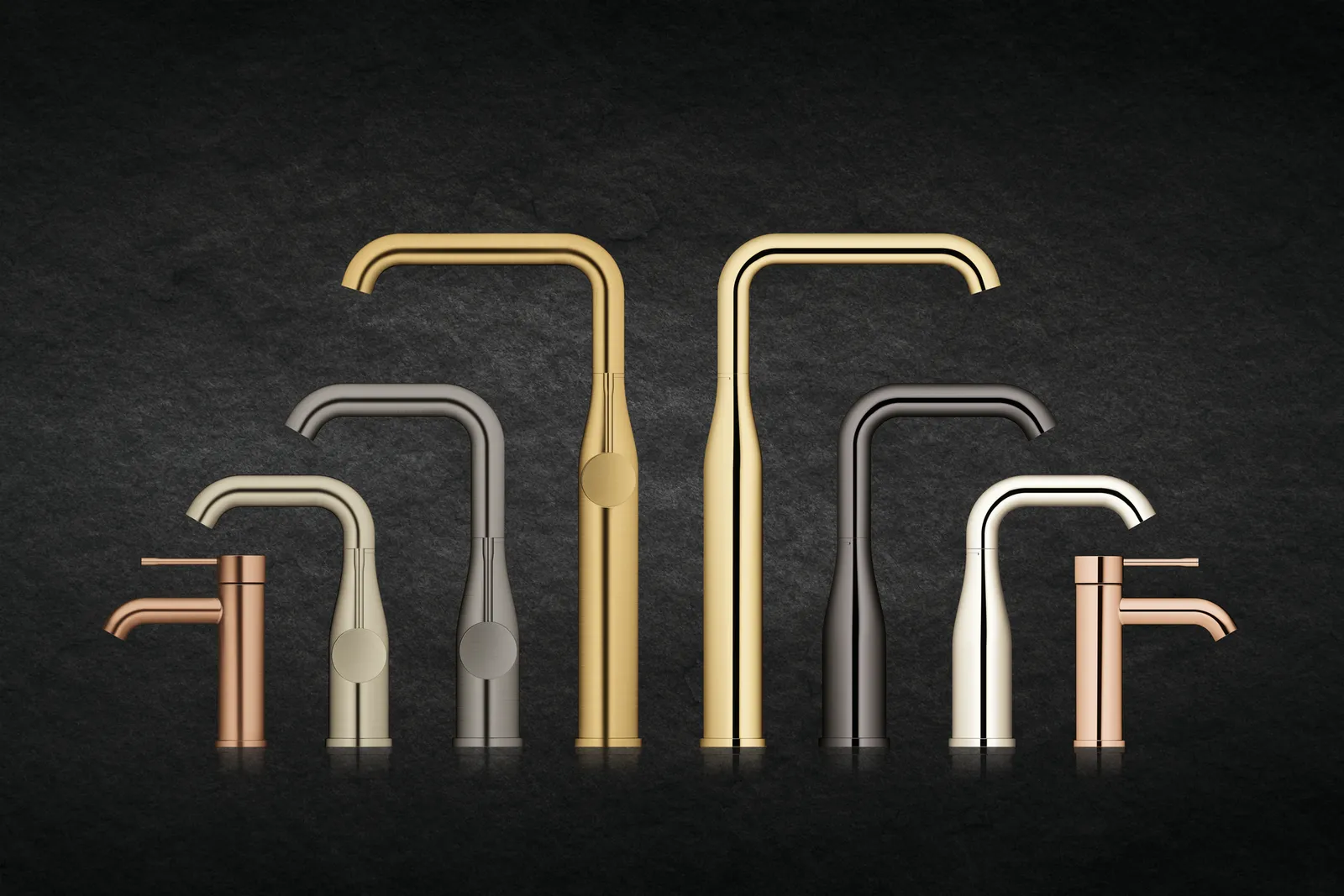
The range of coloured taps, sinks and all kinds of bathroom and kitchen accessories is huge today. Champagne, copper, gunmetal… customers can see the options, but do not always understand why one tap, for example, costs considerably more than another. That is often when the abbreviation PVD comes up. Many people have heard of it, but what it actually means is often unclear to consumers. That is precisely why it is important for you, as a professional, to explain clearly what PVD is, where it comes from and why it is genuinely worth the extra cost.
For the avoidance of doubt, PVD is not a recent invention from the world of interior design. Many earlier applications, including in the tool industry, had nothing to do with attractive colours. PVD coatings have also been used in aerospace applications for some time, primarily because of their exceptional wear resistance, heat resistance and protection against oxidation. PVD also found its way into the semiconductor and electronics industries, and even the medical sector, for surgical tools and implants. As for consumer products, there have also been earlier applications on luxury goods such as watches and jewellery. It was only in the last ten to fifteen years that PVD made its way into interior applications, including taps. Its origins immediately explain why the finish is so strong and reliable: PVD was never intended as a ‘beautiful colour’, but as a high-performance protective layer.
What is PVD?
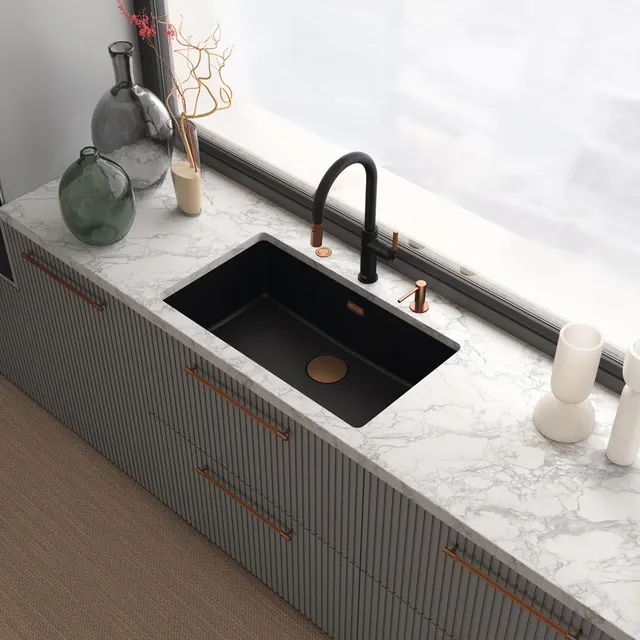
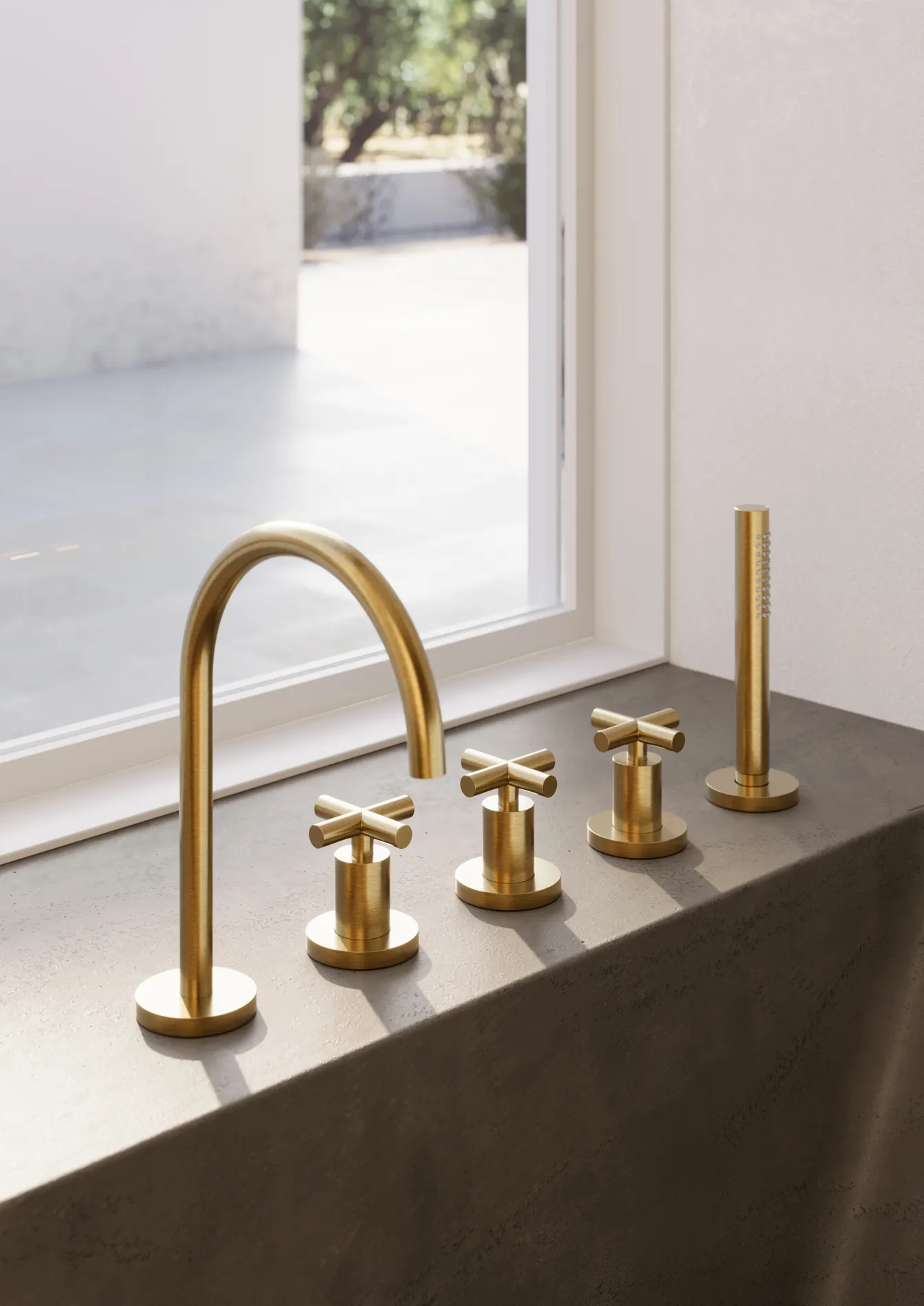
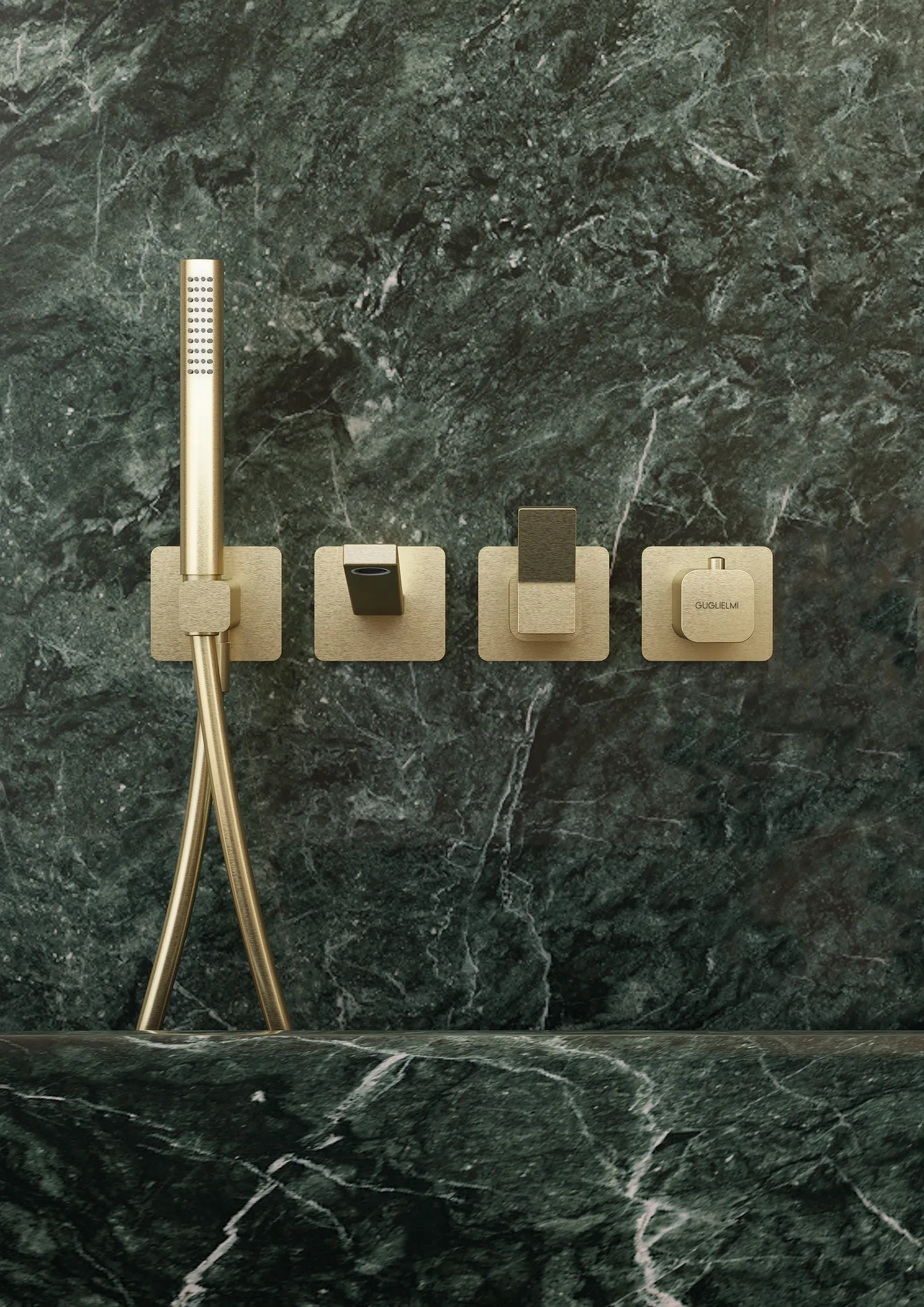
PVD is short for Physical Vapour Deposition. It is a thin, extremely hard coating applied to the metal of a tap, or another object, as a gas mixture in a vacuum chamber. The coating is evaporated or ‘sputtered’, after which the atoms settle on the surface as a thin film. It is neither paint nor a conventional chrome layer. Thanks to the specialist application process, the coating bonds exceptionally well and is far more resistant to scratches, cleaning products and everyday wear. The result for the customer is clear: a PVD tap stays looking good for much longer and retains its colour, even in heavily used bathrooms and kitchens. PVD also offers an exceptionally broad and stable colour palette. Because the shade comes from the metal rather than pigment, colours such as gold, rose gold, copper, matt black and gunmetal remain consistent and even for years. This is particularly valuable in projects where taps, shower profiles and accessories need to match in the same finish.
More expensive, but for good reason
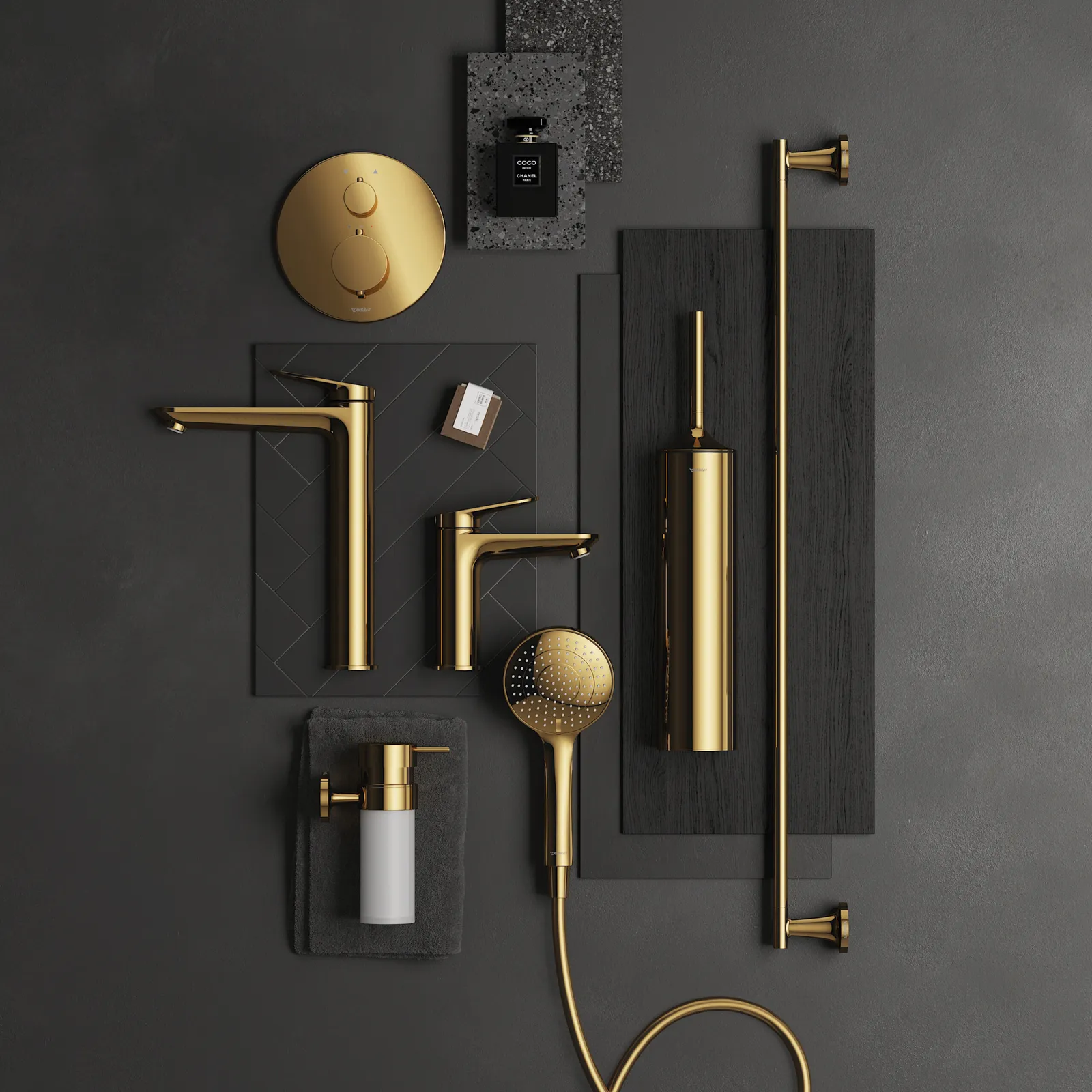
A PVD coating requires an advanced manufacturing process, strict quality control and specialist equipment. This explains the higher purchase price, but the investment translates directly into a longer service life. PVD taps stay looking good for longer, are more resistant to corrosion and require less maintenance. GROHE says its PVD surface is ten times more scratch-resistant and three times harder than chrome, making the taps highly resistant to friction and intensive use. For the end user, that means less risk of damage and less need for replacement. For the installer, it means fewer service calls and recurring problems, an argument that usually convinces customers once it is clearly explained.
The often-overlooked advantage: sustainability
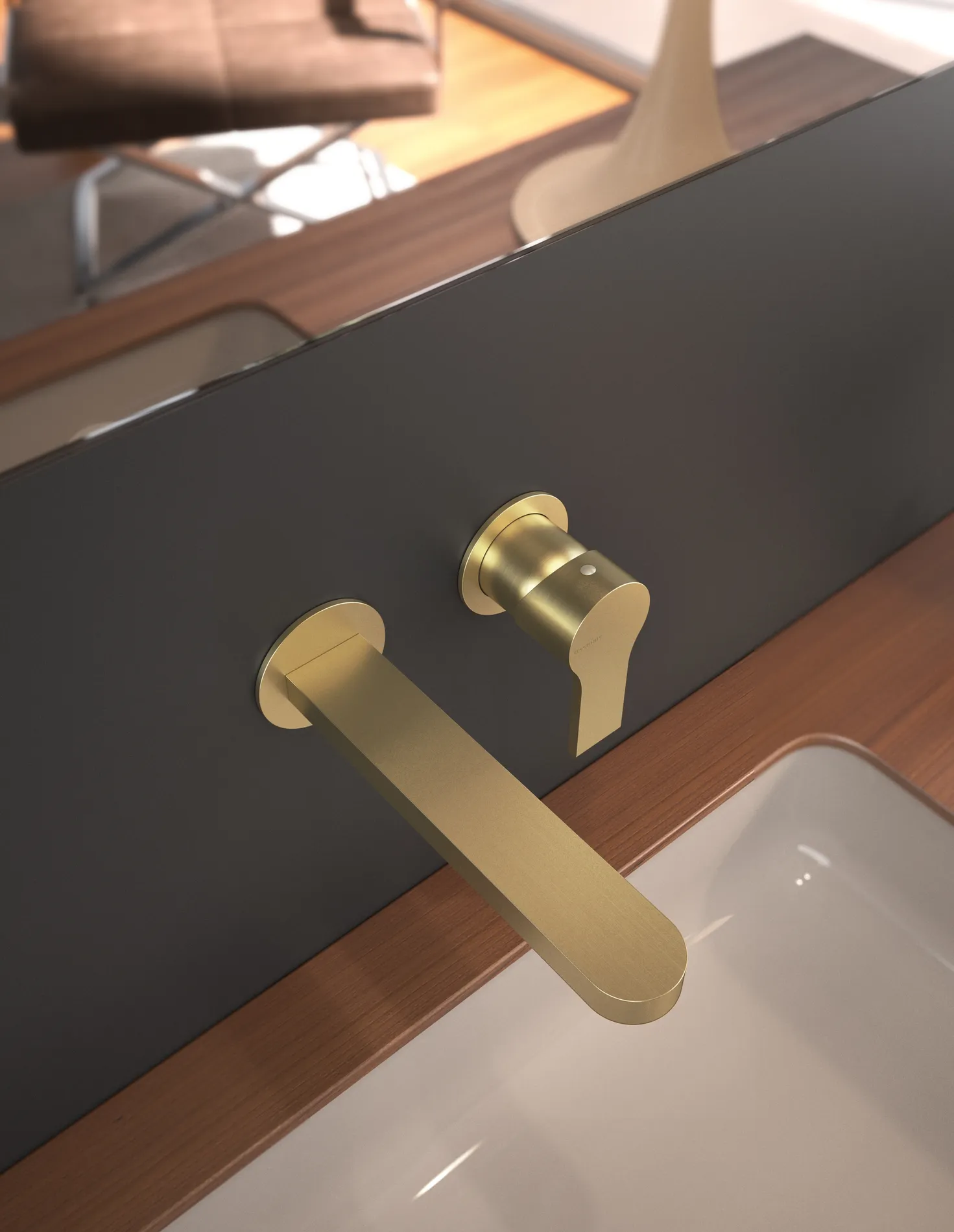
Alongside its aesthetic and quality benefits, PVD also offers clear environmental advantages. Unlike traditional electroplating processes, PVD uses no chemical baths or heavy metals. There is no contaminated rinse water and hardly any harmful waste is produced. What is more, the increased wear resistance ensures a longer service life for the tap, reducing the frequency of replacement. That automatically means fewer raw materials, less manufacturing and less transport. It is therefore a technology that is not only attractive and durable, but also fits the trend towards more sustainable material choices. One caveat: PVD is an energy-intensive process, so its ‘green credentials’ depend on energy-efficient equipment, process optimisation and the energy mix used. Overall, however, PVD is much more than a fashionable colour. It is a high-quality, extremely durable finish with industrial roots, now perfectly adapted for bathrooms and kitchens. By explaining to customers where PVD comes from, how it differs from paint or chrome, and why it is also a smart choice in terms of environmental impact and service life, you can easily justify the extra cost.
Question about this story? Ask your question
Companies in this story
Keep following this
Get an email when a new story is published. No account needed.
- ThemeFrom kitchen to bathroom
- SubjectSinks & taps
- CompanyGROHE nv