The boundaries between kitchen and interior design are finally disappearing
Text Tom Rampelbergh Beeld Beckermann, Leicht, Sachsenküchen, Cesar Kitchens, SieMatic, DSM Keukens
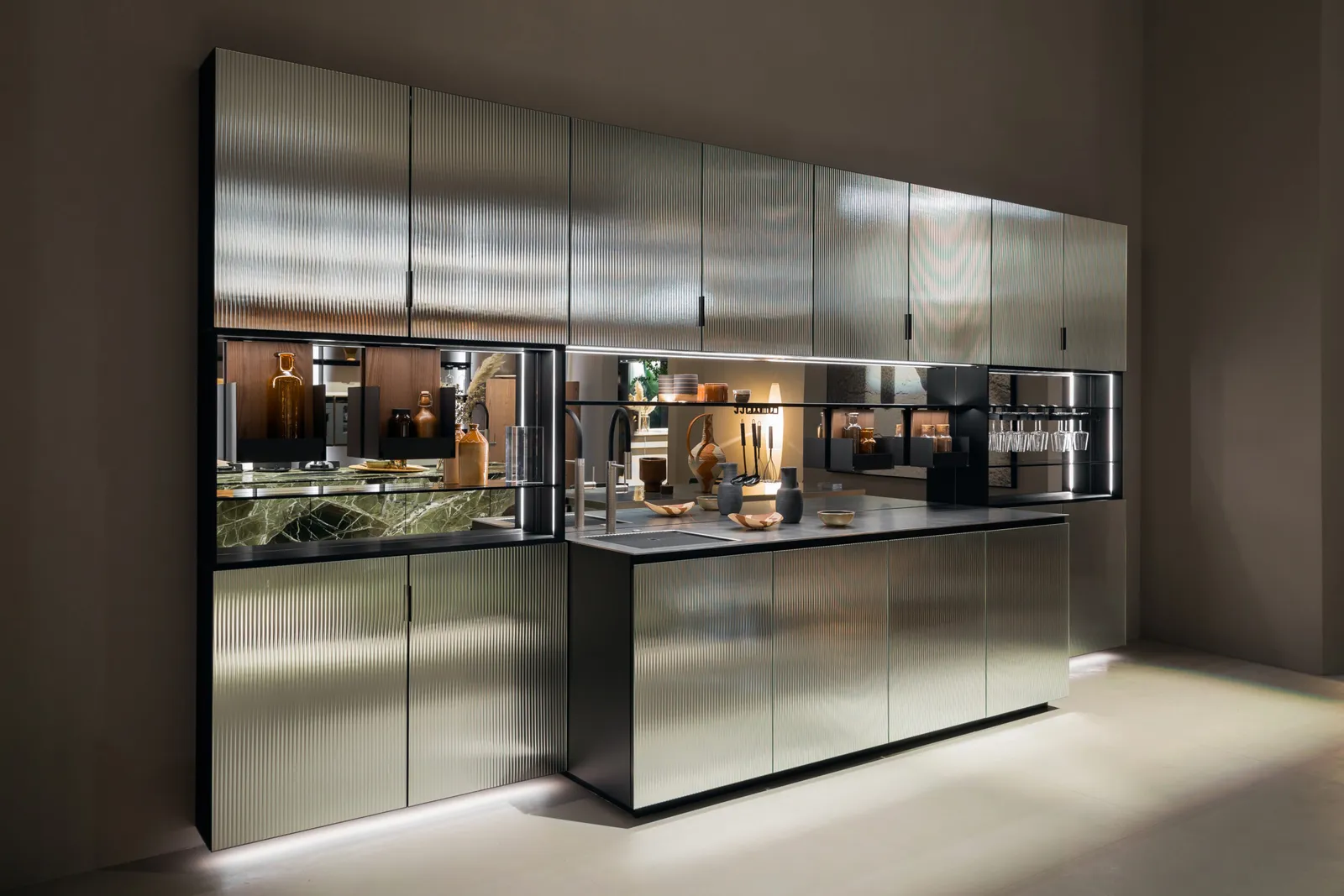
The kitchen industry is undergoing an exciting transition. Kitchen furniture is becoming, or has already become, a fully fledged element of interior design, and the boundary between the living room and the kitchen is becoming increasingly blurred. For specialist retailers, this means many more opportunities and a shift in expertise. After all, we are no longer designing a ‘workspace’, but an interior that must meet the highest standards.
There is no doubt that the kitchen has become the centre of the home. From breakfast at the table in the morning to the moments just before bed in the evening, it is buzzing with activity. That is what makes kitchen design so interesting. It is no longer simply a functional space for preparing meals, but a multi-purpose room where we spend a great deal of time and different activities take place at once. When we want to change our interior, we start in the kitchen and carry that approach through to the rest of the home. Current trends, movements, fads and reactions to them therefore make their first appearance in the kitchen.
Round and on trend
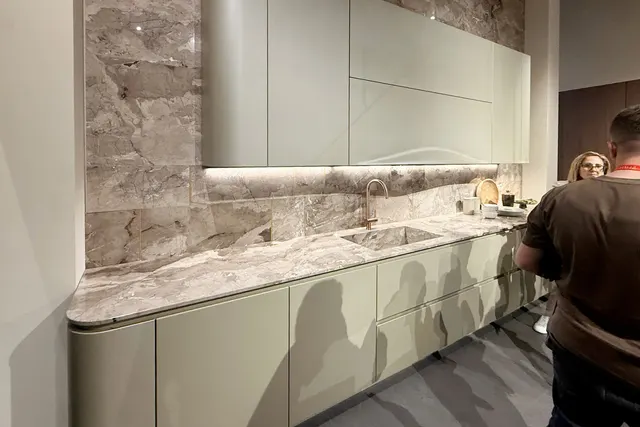
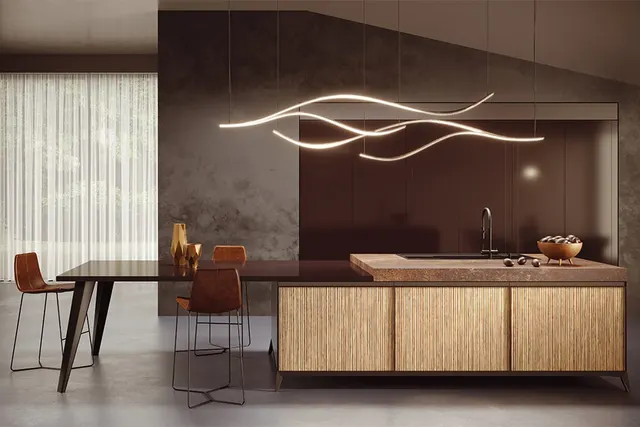
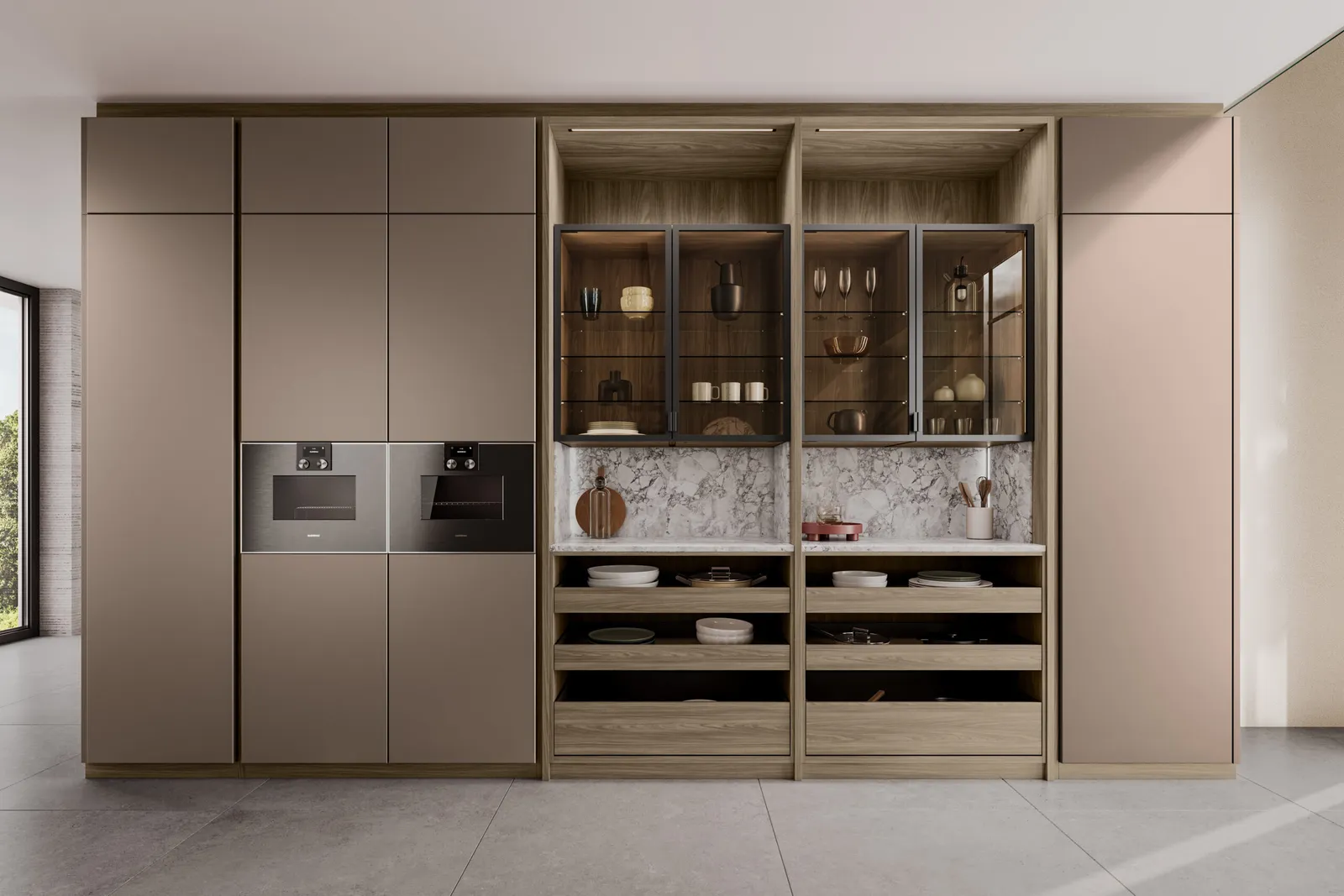
The rapid rise of rounded forms and organic finishes can no longer be denied. Of course, this is not entirely new. Rounded edges in kitchens were already mainstream decades ago. The previous edition of Küchenmeile set the revival in motion, and a visit to EuroCucina this year showed us that rounded forms and organic finishes are now everywhere. Rounded corner units, semi-circular extension tables … They soften the hard lines of a modern interior.
The tactile revolution
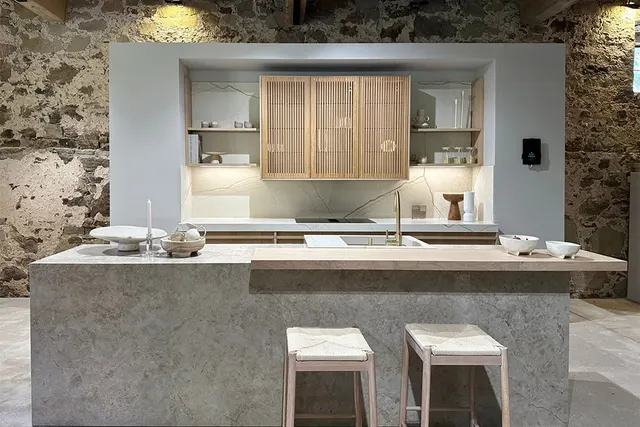
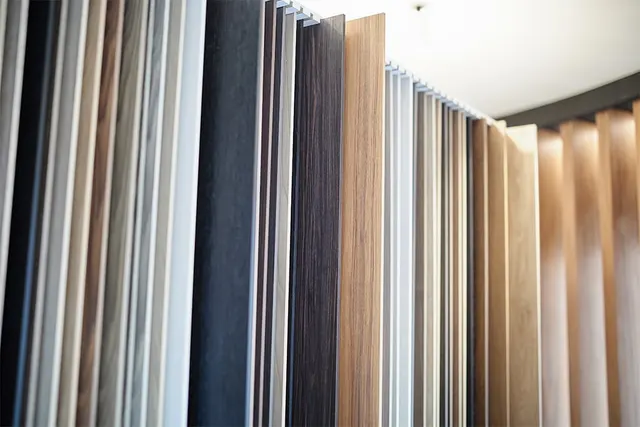
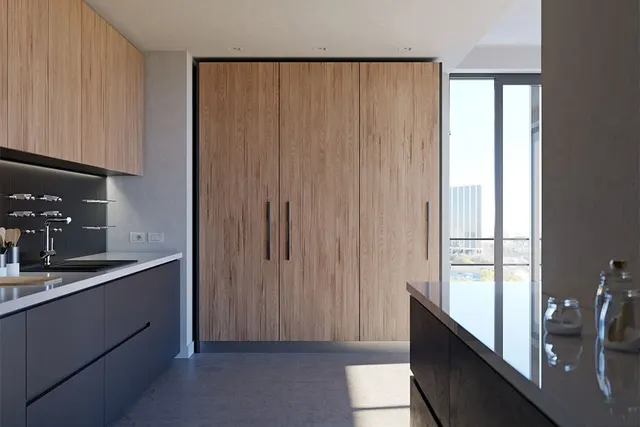
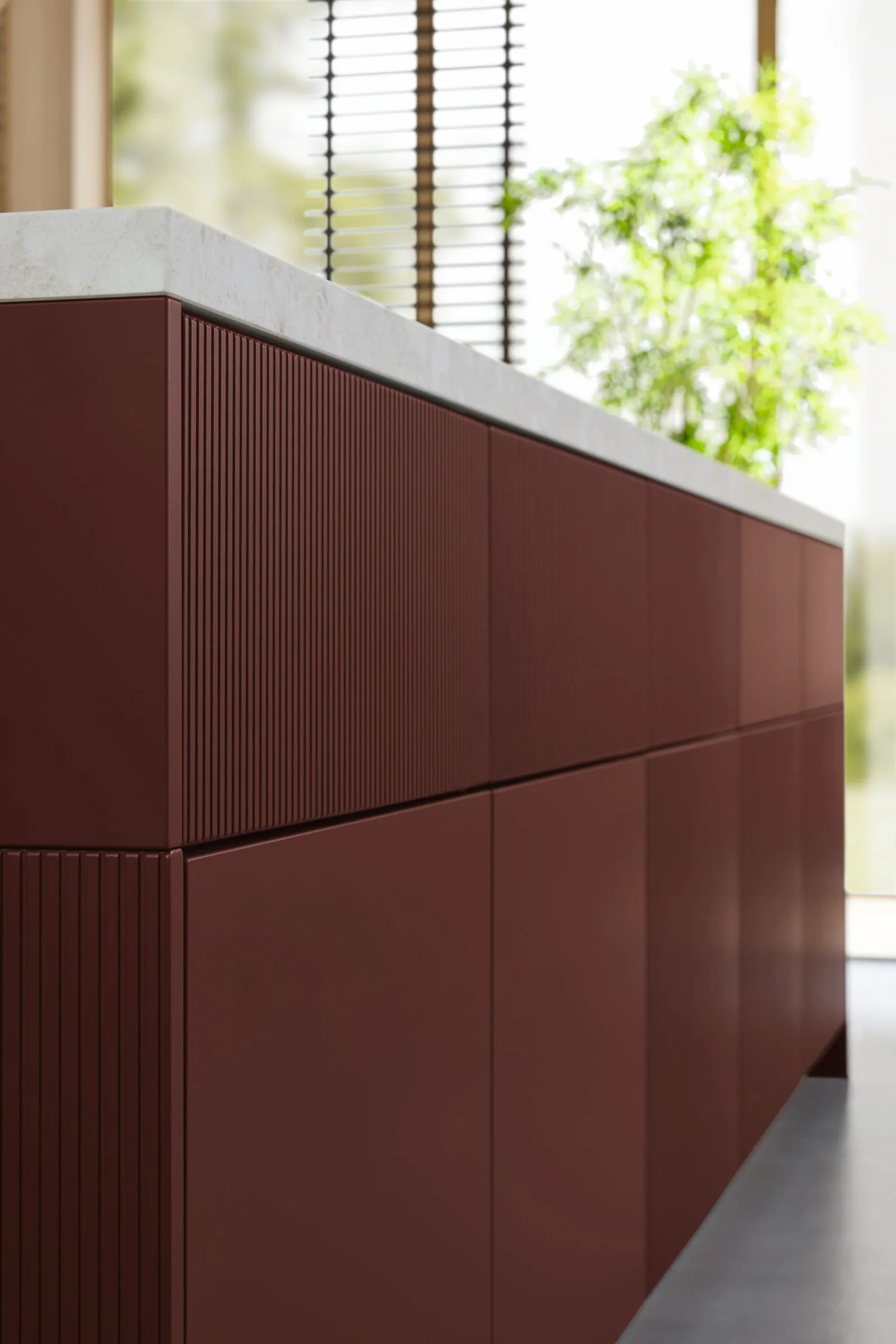
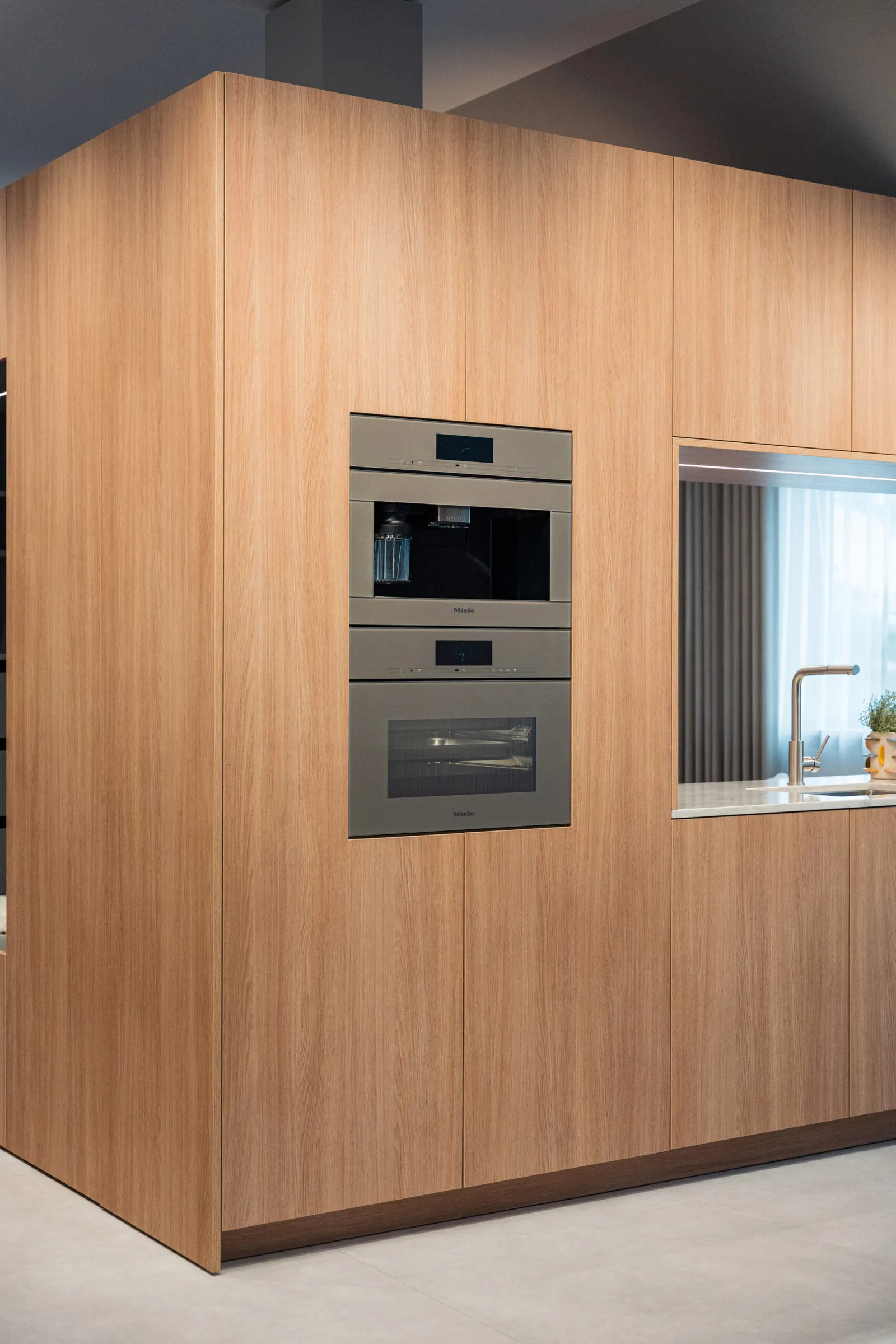
Consumers are demanding. They want more than just a beautiful kitchen and, by extension, a stylish interior. In their search for authenticity, consumers naturally gravitate towards materials that invite them to touch. Real wood remains a frontrunner, especially as we also want to bring natural elements into our interiors. Simply using real wood would be too straightforward. Consumers who are demanding and seeking authenticity are more drawn to, for example, finely profiled slatted structures and subtle framed fronts that add texture.
A warmer colour palette
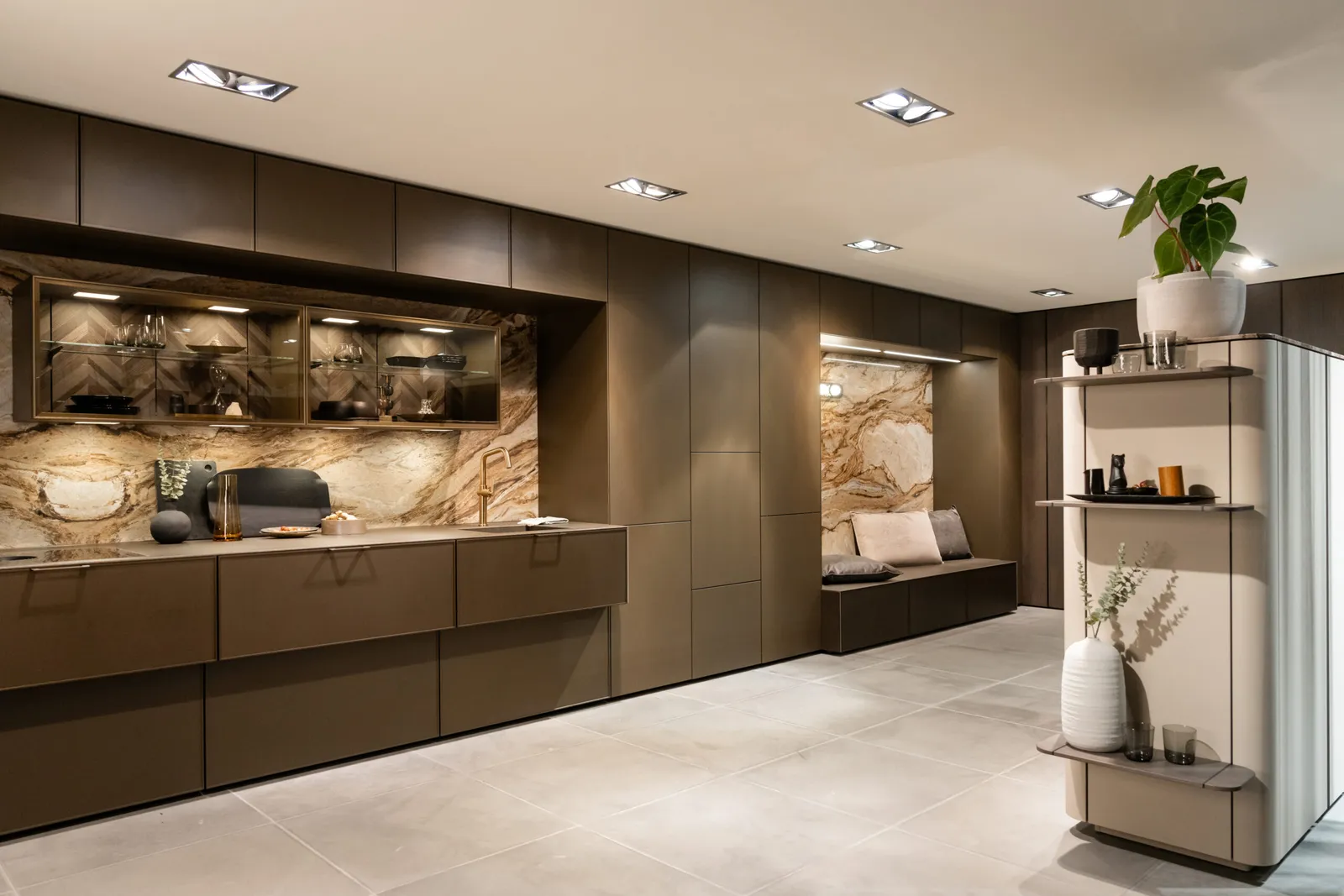
The era of clinical white is (finally?) behind us. The shift to today’s palette of warm shades and deep, natural tones is complete. Our connection with nature, expressed through the use of materials, is also reflected in colour. This was also evident at EuroCucina. One striking observation: the colours are quietly present, not showy, loud or eccentric. These warmer shades, such as rust, sand and terracotta, are sometimes complemented by bolder accents. Think deep burgundy, olive green or midnight blue.
Finding storage space
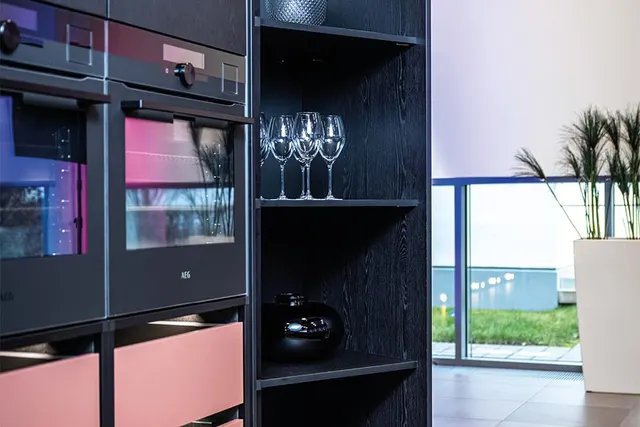
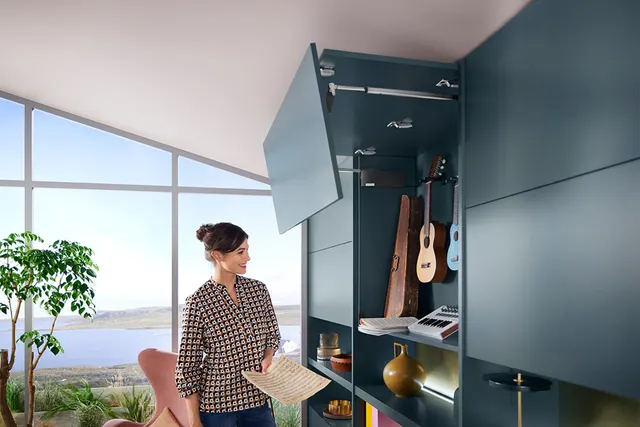
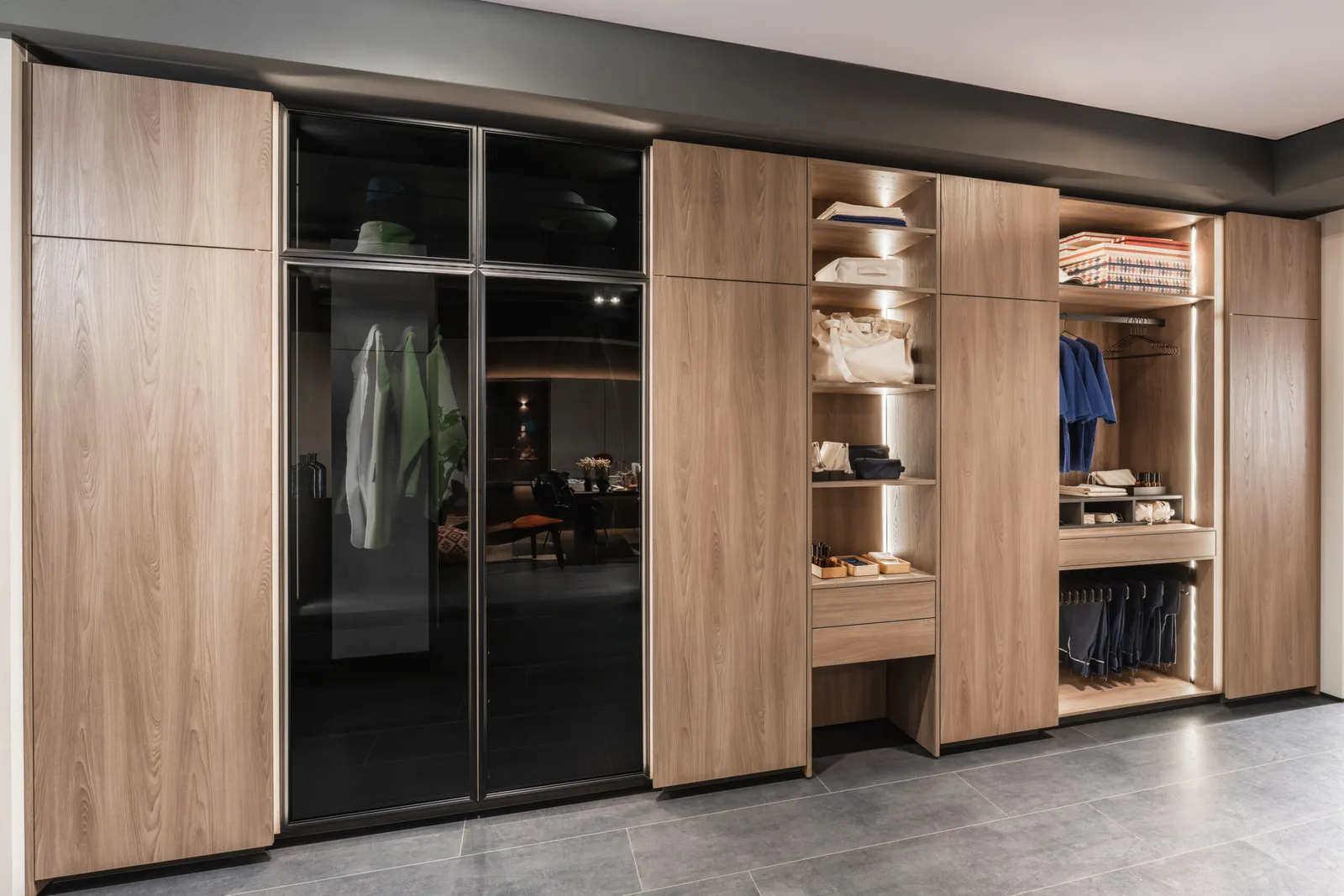
Aesthetics are, of course, an important consideration for kitchen planners. But consumers want more: the demand for additional storage and cleaner lines is growing ever louder. The answer is taller cabinets with lower plinths. This immediately provides extra space while giving the kitchen a more furniture-like appearance. And what about the ‘invisible’ kitchen? There are kitchens or kitchen zones that, despite their aesthetic appeal, we would still like to conceal. Consider a fully functional area such as a coffee station or oven. Made-to-measure pocket doors and other retractable door systems allow you to hide these zones from view in one simple movement.
No passing fad
Sustainability. There is no getting around it: it is a requirement. Consumers are increasingly aware of the environmental impact of certain choices and are looking for solutions to minimise their ecological footprint. Manufacturers, too, are actively addressing the issue. All parties involved are taking a close look at the origin of materials, for example, choosing FSC-certified timber and board materials with a high proportion of recycled fibres. A longer service life is more than desirable, especially when the end customer’s investment is factored in.
Conclusion
In 2026, the kitchen calls for an integrated approach, finding the right balance between aesthetics, appliances, storage and budget. The challenge for kitchen professionals is to translate current trends into a design that is technically feasible and meets the customer’s requirements.
Question about this story? Ask your question
Keep following this
Get an email when a new story is published. No account needed.
- SubjectKitchen components