AI, from silent force to game-changer
Text Tom Rampelbergh Beeld Freepik

Artificial intelligence seems to have appeared everywhere all of a sudden. And yet AI is anything but new. It has been present in the kitchen industry for years, although it was (or is) rarely called that. Today, we are seeing AI develop at a breathtaking pace. Its benefits are there for the taking. The technology is clearly shifting up a gear, and this is affecting everyone, both in the kitchen sector and beyond.
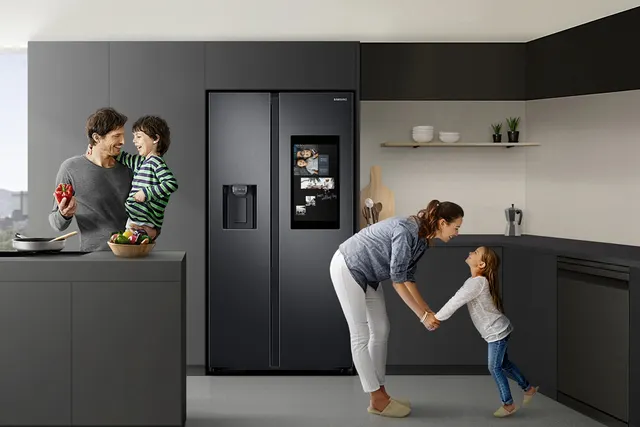
It may come as a surprise to many, though not to everyone, but you are already ‘using AI’ today. A 3D kitchen planner that generates several possible designs based on the space available, ergonomics and budget? AI. Smart kitchen appliances that adjust their programmes to the different user profiles in the home while also taking energy consumption into account? AI. With the advances now being made in generative AI, it is moving from a supporting technology to an active partner. That said, we must always, really always, use our common sense and check the work AI produces. Just ask Petra De Sutter.

For kitchen specialists
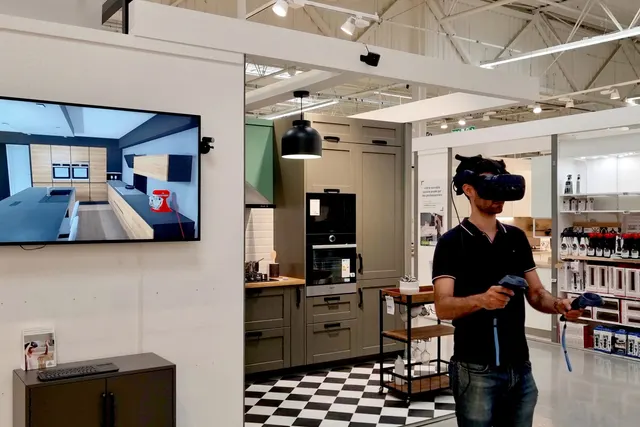
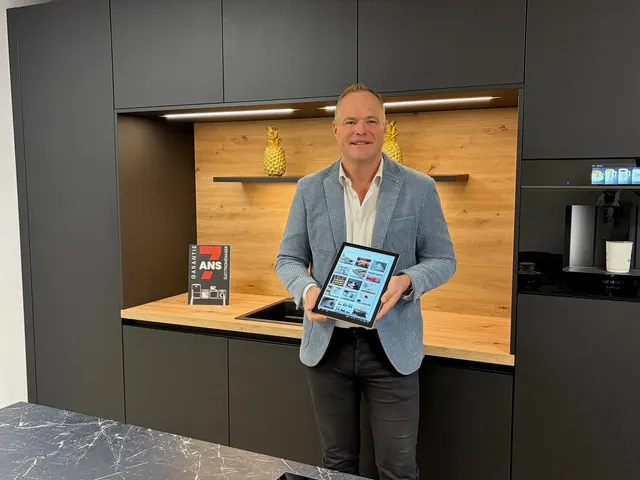
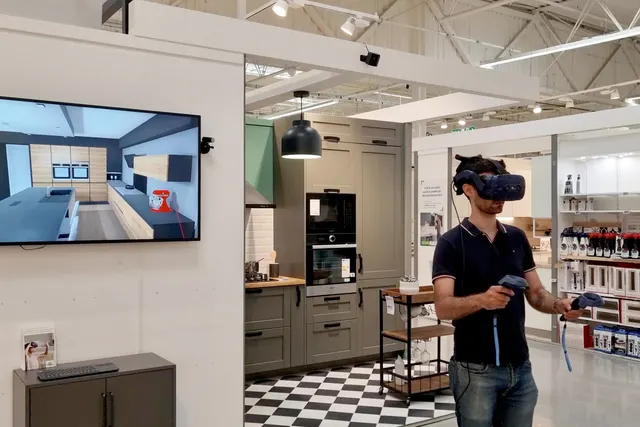
A kitchen specialist who creates realistic images of possible layouts on their computer during the design phase of a new kitchen is already using AI. But the pace of development is so rapid that creating and displaying these images will soon be many times faster. Customers appreciate such clear examples, as well as the professionalism of the kitchen specialist. In turn, the specialist benefits from a higher success rate and more time to support customers with advice and guidance. AI also enables kitchen retailers to answer customer queries at any time of day, provided the responses are checked, of course. One of the most common uses of AI will probably be the automatic creation of text and images to support marketing communications.

For manufacturers and buying groups
Manufacturers, of course, have some interesting opportunities ahead. These range from upgrading the smart features we already know today to further optimising production and products, improving and streamlining quality control, and achieving truly on-point predictive maintenance. AI gives manufacturers the opportunity to make bespoke appliances, while today’s consumers are highly receptive to any form of customisation and personalisation. Predictive maintenance, which indicates in advance when an appliance needs servicing, is another way manufacturers can score points.
AI will enable buying groups to produce even better market analyses and demand forecasts. That will certainly be music to the ears of both member kitchen specialists and the buying groups themselves. It will lead to more efficient stock management and more effective negotiations with manufacturers on purchase prices.

For the end customer
End customers will undoubtedly need guidance to embrace AI, and perhaps even to overcome initial misgivings. No, AI applications will not be too complicated, and yes, they can significantly improve your everyday comfort. It should also be made clear that AI is no miracle cure. AI is only as good as the data it is given. Without high-quality input and/or human oversight, things can go badly wrong. Kitchen specialists have an important role to play here. Embrace AI and the opportunities it offers, but remember that artificial intelligence is no substitute for craftsmanship, creativity and personal advice. And those are precisely the pillars of the kitchen industry.
Question about this story? Ask your question
Keep following this
Get an email when a new story is published. No account needed.
- SubjectSoftware