Design and sell with modern kitchen planning software
Text Tom Rampelbergh Beeld JHH Applications, Carat, Unsplash
Belgian customers are discerning, quality-conscious and perhaps a little impatient when it comes to visualising a new kitchen during the sales process. We have all become more demanding, especially when it comes to a significant investment such as a new kitchen. In the past, a sketch was enough. Today, we want to see the first true-to-life images in the showroom. Today's software solutions make this possible.
Kitchen planning software has evolved rapidly in recent years. Such a programme is no longer purely a graphics tool, although that remains the core business of any programme used in a showroom. Modern systems enable designers to make changes to a plan at lightning speed during a conversation. Move units, change materials, mirror layouts, and much more. Customers can immediately see the impact of putting a particular idea into practice. Using such powerful programmes also demonstrates professionalism. Planning software has therefore become an important marketing tool.
The magic of photorealism
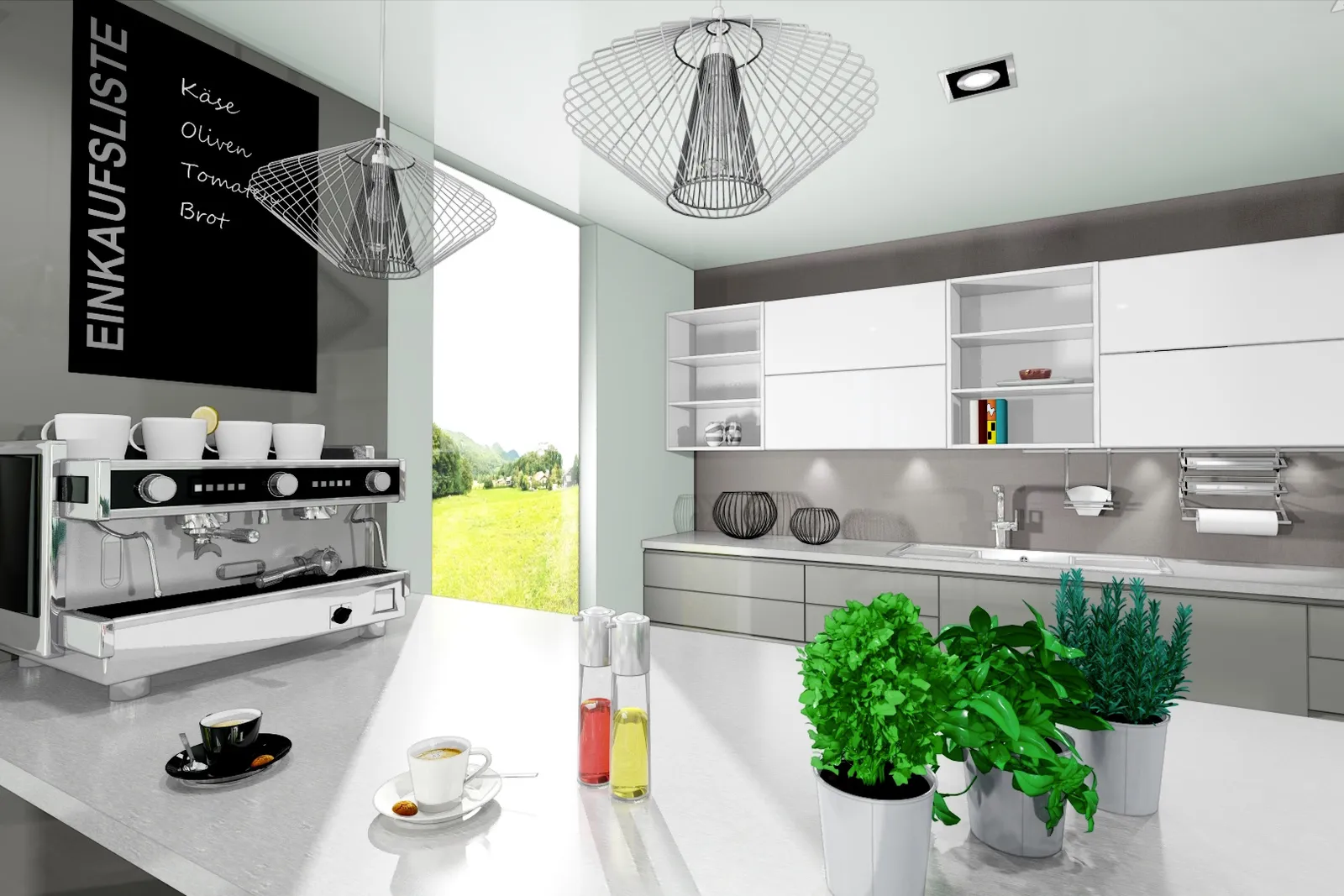
It is difficult to pinpoint the strength of a design programme in any one feature. The extensive catalogue libraries, continuously updated by the manufacturers concerned, are extremely useful for making the changes mentioned above quickly. The move to photorealism has certainly given showroom sales conversion a substantial boost. Customers no longer have to use their imagination to assess, for example, how light falls and where shadows form, to picture how a particular worktop will look under LED lighting, or to compare different possible kitchen layouts. That is a huge advantage. Sometimes a customer gives the go-ahead for a quote before the price has even been discussed.
Step into your future kitchen
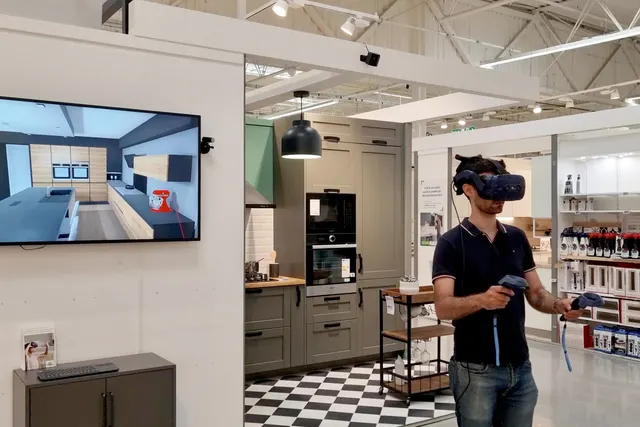
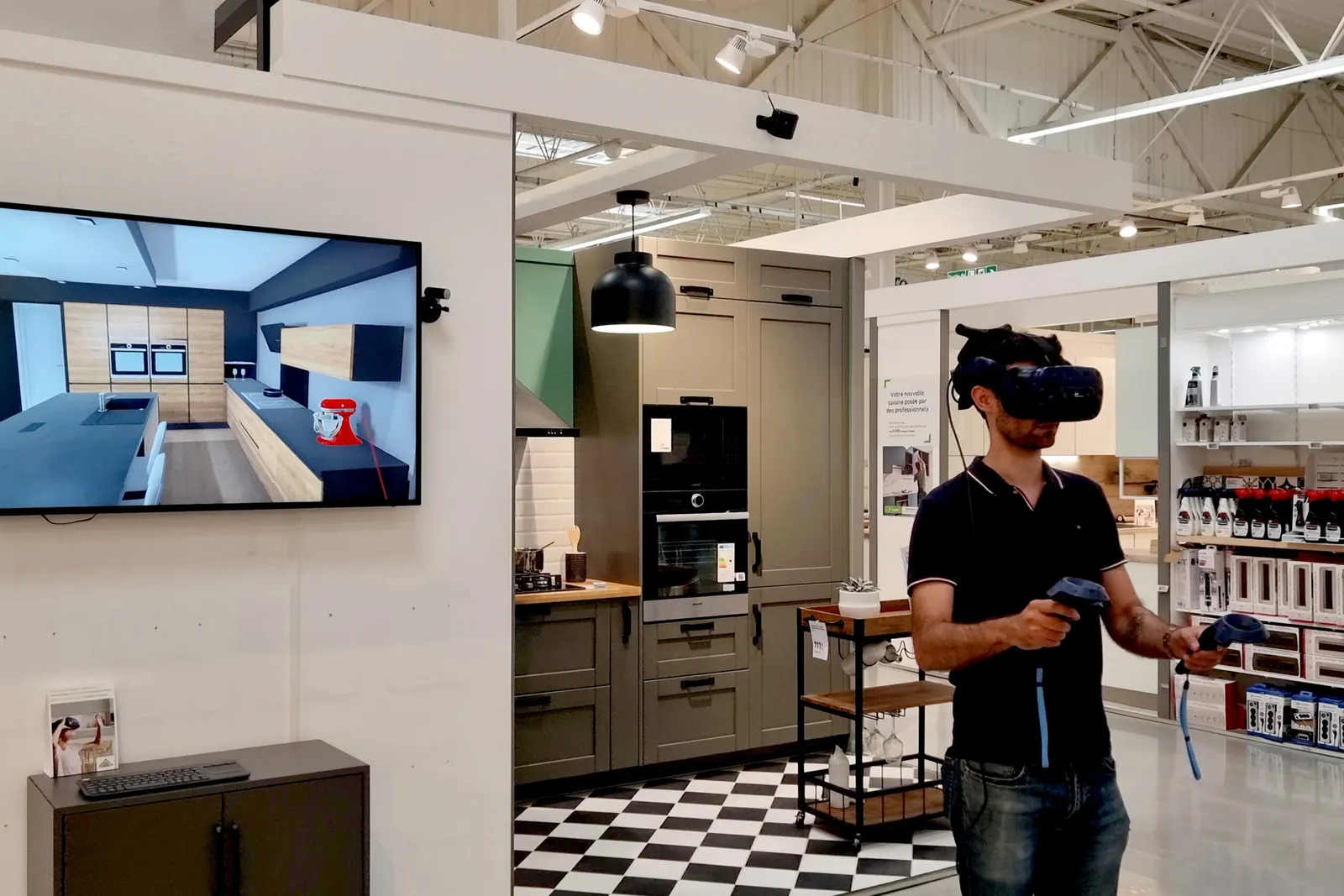
Photorealism is now firmly established. The next step? Integrating virtual reality (VR) and panoramic views. This naturally requires a dedicated software module and a VR headset for the customer to wear. It allows customers to step physically into their future kitchen. They experience the flow of the kitchen, the ergonomics of the island and the positioning of the appliances as if the installers had just fitted the kitchen. If they still have doubts about certain aspects of the design, this can help put them at ease. They can either approve the design or make a few more changes. Either way, their uncertainty soon fades.
Reap the rewards
Choosing a planning programme is a no-brainer. It is a strategic necessity. In a market where margins are under pressure and consumers are more demanding than ever, this technology offers welcome support. It gives potential customers clarity, automates the administration and orders linked to the specific project, and builds a connection between the customer and their future dream kitchen during the planning phase itself. Ultimately, however, it is up to the professional to reap the rewards.
Question about this story? Ask your question
Keep following this
Get an email when a new story is published. No account needed.
- ThemeBusiness in the kitchen industry
- SubjectSoftware