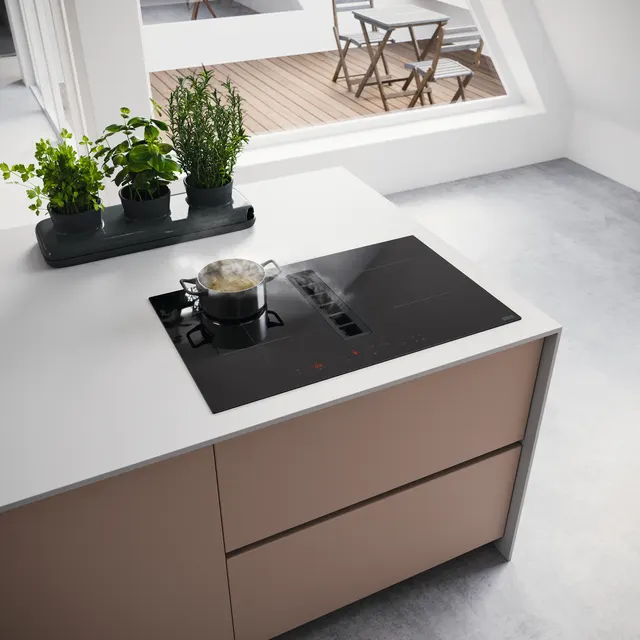
9 in 10 Belgians want clean air in their homes
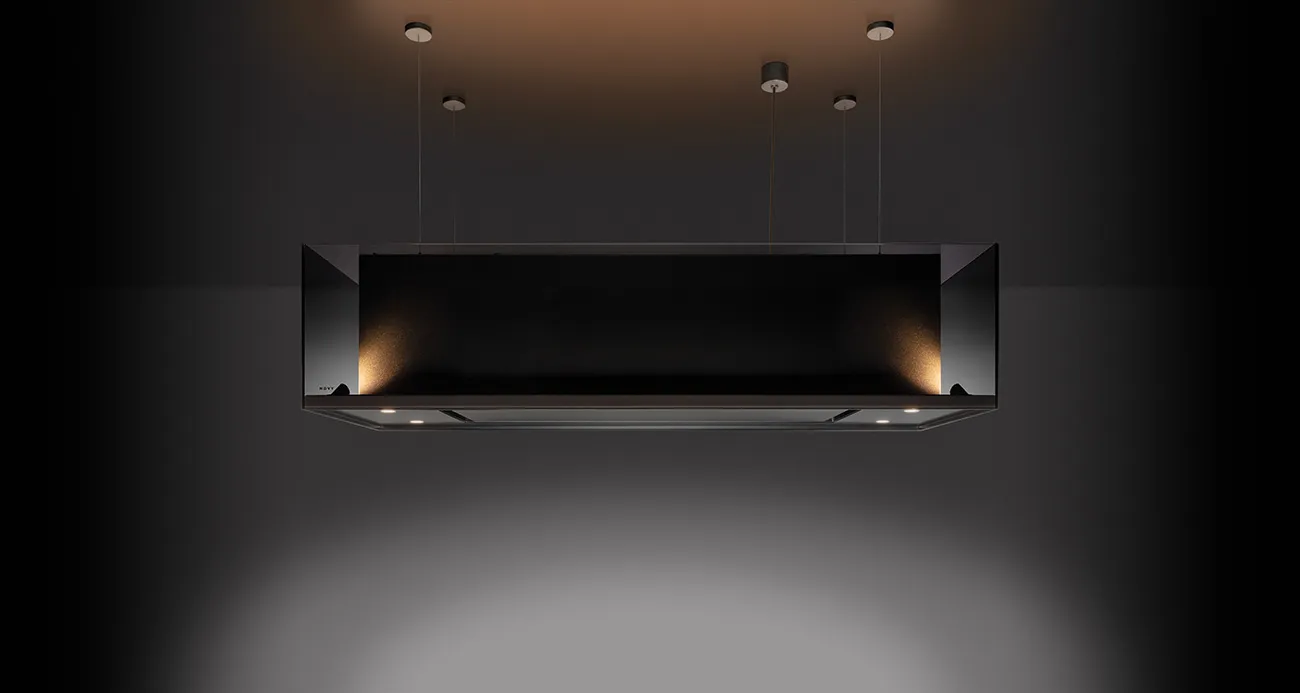
Air quality matters, that is the (logical) conclusion of a study by iVox. More than 9 in 10 Belgians consider good air quality in the home important. What is striking, however, is that ‘only’ 7 in 10 Belgians actively pay attention to air quality. Clearly, there is work to be done.
The study was commissioned from iVox by Italian manufacturer Elica, which produces, among other things, designer cooker hoods. It surveyed 1,000 Belgians about air quality in the home. The results are in line with expectations, at least when it comes to how important people consider it. Almost everyone wants clean air in their home. But this is immediately followed by the first rather striking caveat: significantly fewer people, though still more than half, actively pay attention to it. Only 7 in 10 Belgians actively monitor air quality. Yet ventilation, one of the options mentioned, is simple. Another striking finding is that respondents are open to new technology. Around 80 per cent of the 1,000 Belgians surveyed, for example, recognise the benefits of a cooker hood that purifies the room of allergens and harmful substances.
Tiny droplets
The past few years have been no laughing matter. Not for our health, not for our quality of life, and not for the economy. The pandemic, as we all know. A virus we had never encountered before emerged from completely unexpected quarters and spread around the world very quickly. In the first months of the pandemic, it became clear that aerosols played a bigger part in transmitting the virus than expected (and feared). At first, ‘washing your hands and keeping your distance’ was enough to combat the virus, but the impact of tiny droplets made that no longer sufficient. Indoor spaces needed to be ventilated more. ‘Contaminated’ air had to be removed and filtered.

Ventilation and filtration go hand in hand
Research by Professor Bert Blocken (TU Eindhoven and KU Leuven) found that the very smallest aerosols slipped through the ventilation system’s filters. He had 40 people who were free of coronavirus exercise in a gym for a day while air quality and the number of saliva particles in the air were monitored. What did they find? Ventilating the room did not reduce the number of particles. The researchers saw a clear reduction only after air purifiers were brought in. The difference? Ventilation extracts indoor air and ‘replaces’ it with fresh air, while air purifiers continuously filter the air already in the room. Purification was therefore necessary to combat the virus more effectively. Purification is achieved by using high-performance filters, which are also found in the various types of cooker hood available on the market.
We do too little
Back to the iVox study. Air quality matters, agreed. Yet we do not ventilate enough. 11.9 per cent of respondents barely ventilate, while 66.4 per cent do so sufficiently. And yet 93.3 per cent of respondents are convinced of the benefits of good air quality in the home, 90.4 per cent swear by maintaining good humidity levels, and 92.3 per cent consider it important to avoid odours in the home. What is more, almost all respondents (94.3 per cent) are determined to prevent mould growth.
Work to be done
We may not ventilate enough, but we all cook. And cooking creates odours that we all want to keep out of our homes. That is why almost 4 in 10 Belgians even fry their chips outside the home. Around 20 per cent of the Belgians surveyed say they often have problems with cooking smells. But here is the surprising finding from the study: only 3.7 per cent of respondents clean their cooker hood filters every week, 22.7 per cent do so every month and 35.5 per cent a few times a year. And it gets worse: 7.8 per cent never clean the filters, while a striking 27.4 per cent never replace their cooker hood filters. “A high-performance cooker hood is the ideal way to prevent cooking smells,” the manufacturers say in unison, “but it needs to be properly maintained, and that is evidently where the problem lies.”

Work to be done
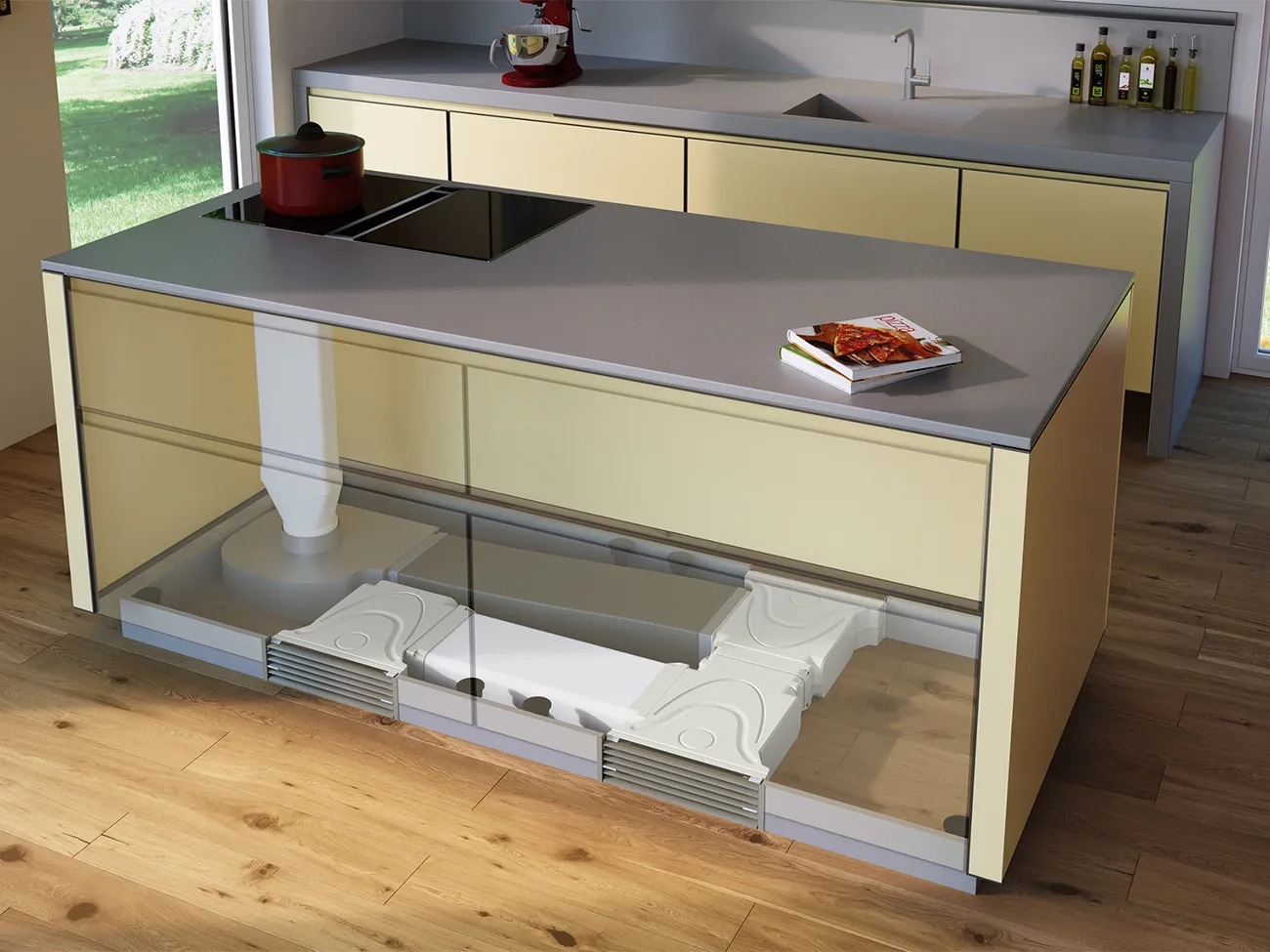
Fortunately, there is at least one positive finding in the study. Belgians are very open to new technologies, including those that purify indoor air. They recognise the benefits of extraction in removing allergens and harmful substances, as well as, of course, getting rid of irritating cooking smells. This is also a topic that many cooker hood manufacturers have now taken up. A cooker hood is always present in the home and, now that open-plan kitchens are increasingly becoming the norm, it can improve air quality in both the kitchen and the living room. Several manufacturers are bringing appliances to market that purify the air, during cooking as well as before and after. High-performance filters in the appliance and the option of recirculation, which sends the purified air straight back into the kitchen, are key features. There is also a solution for existing cooker hoods, for people who are not considering a replacement. One sticking point remains, of course: filters need to be replaced at the right time. We all need to make sure we do this. It is an important message that cooker hood manufacturers and you, the kitchen specialist, must pass on to consumers.
Question about this story? Ask your question
Keep following this
Get an email when a new story is published. No account needed.
- ThemeCooking with smart appliances
- SubjectCooker hoods & extraction