Choosing the right worktop
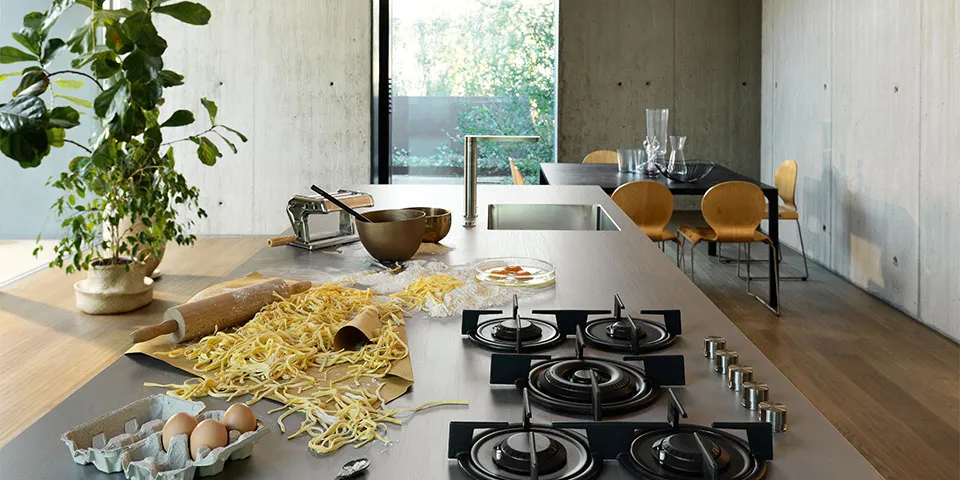
Which kitchen worktop should we choose? Most likely the question consumers ask most often, and one of the most important and difficult decisions on the list. And that is perfectly normal. After all, the worktop dominates the look of the kitchen and also has a (major) impact on the budget.
The worktop is the most prominent feature in a (new) kitchen. Many manufacturers also call it ‘the most-used appliance in the kitchen’. This is where the magic happens. Ingredients are transformed into a (celebratory) meal here, day after day. The whole family gathers around the worktop, and guests join them when there’s a party. In short, the worktop needs to have the practical qualities you want, as well as the right look. Fortunately, there are many materials and even more finishes available, so there is a suitable worktop for every customer’s needs.
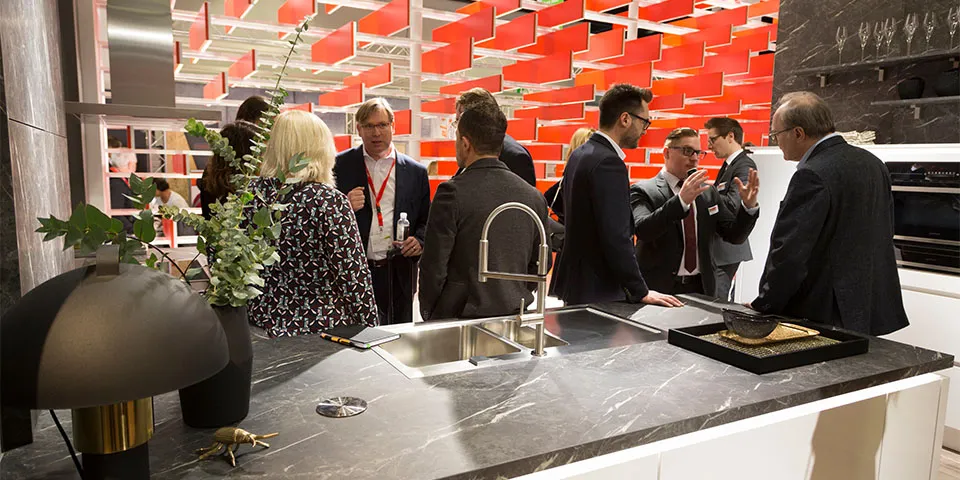
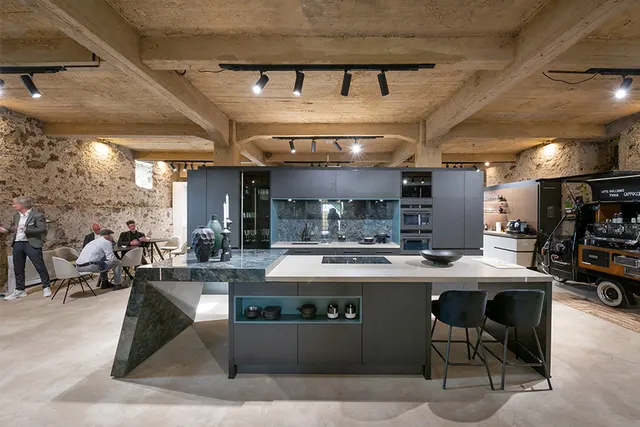
At trade fairs, too, people gather around the worktop for a bite to eat, a drink and a good conversation. (Photo: Living Kitchen)
Ask the right questions
When choosing a kitchen worktop, it is best not to rush into a decision. As mentioned, it is a key part of the kitchen, both in terms of budget and appearance. First, consider a few important questions about the surface and maintenance. Are you looking for a worktop that is as maintenance-free as possible, one that can withstand all kinds of external influences, or one that can develop a ‘lived-in’ look? This will undoubtedly point you in the right direction. If a customer comes into a kitchen showroom without having answered these questions, it is naturally up to the salesperson to go through them patiently with the customer. Nobody likes buying a pig in a poke, and honest communication and clear questions help avoid angry or disappointed reactions later on.
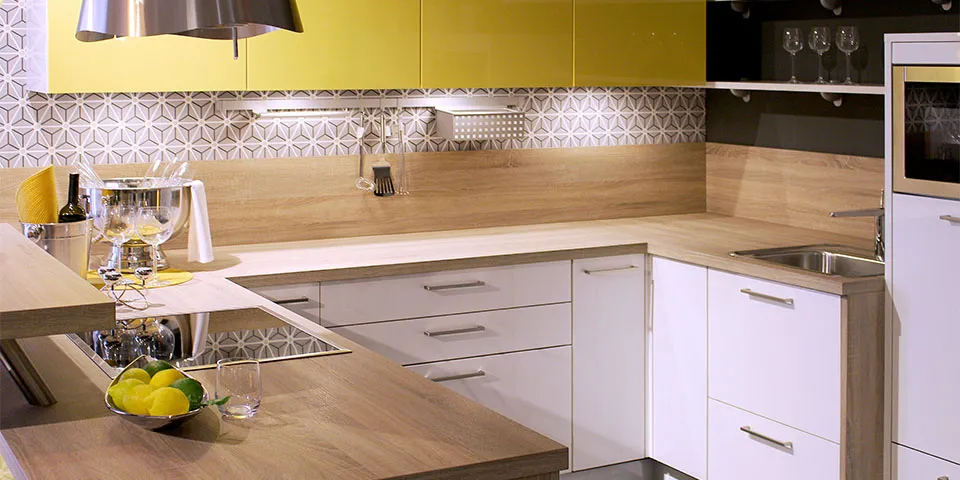
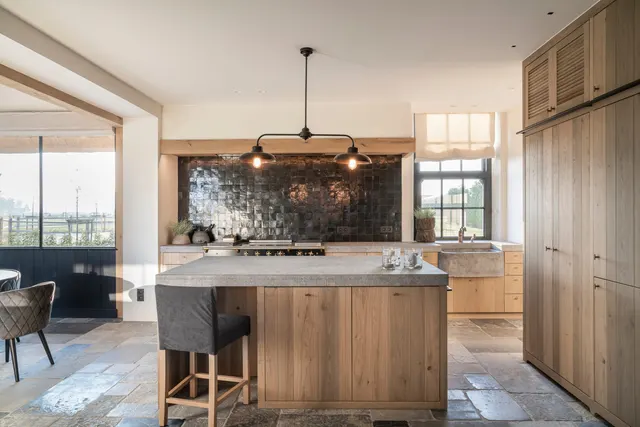
Looking for a natural material for your worktop? Consider wood. (Photo: pxhere)
Common requirements
It is perfectly possible to put together a FAQ with the questions customers often ask. This quickly helps narrow down the material, leaving ‘only’ the appearance to choose. That choice is difficult enough in itself. If customers want their worktop to withstand hot pots and pans, they will naturally be drawn to ceramic. Whether it is wise to put pots directly on the surface is another matter. A nice trivet will protect the worktop from excessive heat and also make a great accessory that is sure to bring a smile to your visitors’ faces. Is a maintenance-free worktop really possible? ‘Low maintenance’ might be a more realistic description. If you do not want to use specialist products, especially not every day, to keep the worktop clean, you can narrow down your choice of materials to laminate, ceramic, composite and steel. Is a natural material a must? Then look at worktops made from wood, natural stone or marble. A major advantage of these materials is their unique appearance. No two worktops are identical. However, they need more care and maintenance than other materials.
A helping hand
Budget and how the kitchen will be used also play an important role. So here is the golden tip for customers: think carefully about what you expect from a worktop and try to assess how, and by whom, the kitchen will mainly be used. Targeted questions or prompts can help customers with this. A worktop accounts for a significant part of the kitchen budget, so a little help and support from kitchen professionals is more than welcome.
Question about this story? Ask your question
Keep following this
Get an email when a new story is published. No account needed.
- ThemeMaterials and finishes in balance
- SubjectWorktops