Plenty of choice
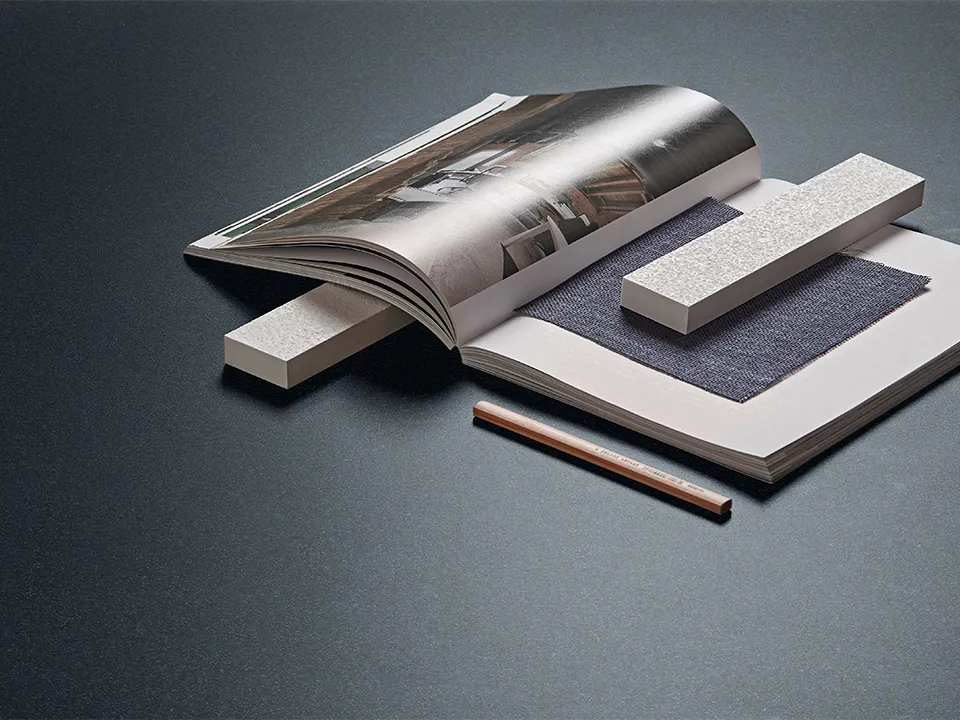
The worktop. Perhaps one of the most important items to consider before deciding what it will be.
After all, this is an important ‘appliance’ with both functional and aesthetic requirements. It is also crucial to provide enough worktop space.
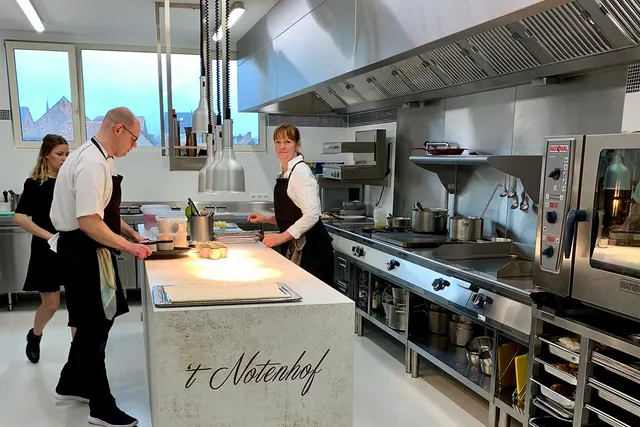
Put yourself in the shoes of the customers sitting in front of you to discuss their new kitchen. They have so many things to think about and talk through, perhaps even debate and argue over, before making the final decisions at your table. Which appliances will they choose? Which ones will they do without? Is there room in the kitchen, and in the budget, for that wine cabinet or steam oven, or will they pass on it? Which tap and sink do they want on their worktop? And, of course, which worktop?
Everyday essentials
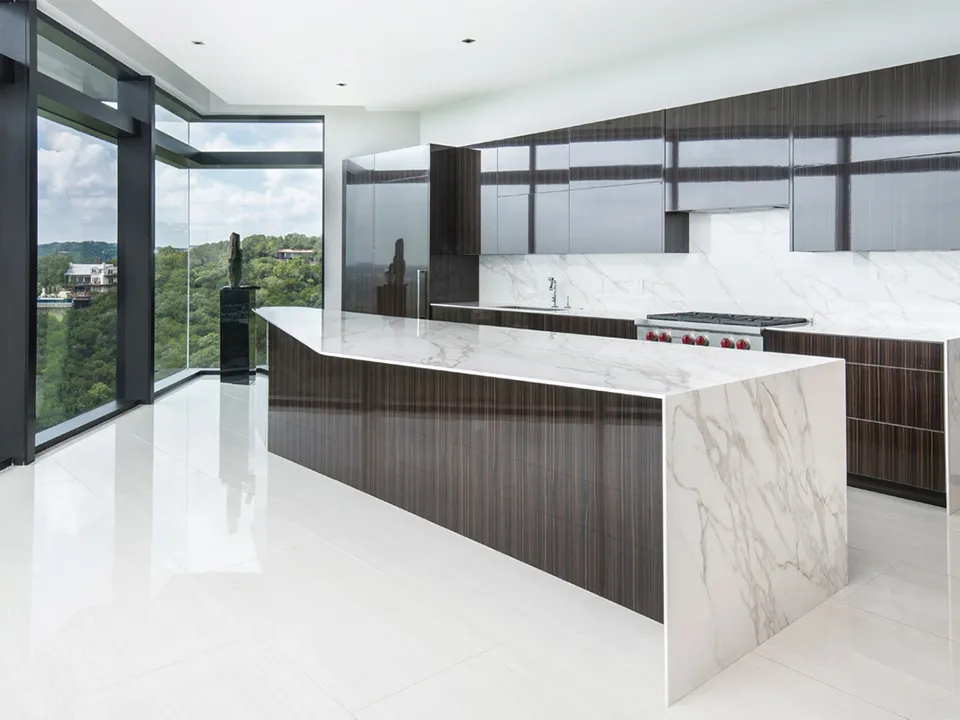
First and foremost, a worktop must give users enough room to carry out everyday kitchen tasks without feeling cramped or getting frustrated. It remains, above all, the place where vegetables are chopped, potatoes are peeled and so on. Less experienced cooks, or those with an adventurous streak who regularly try new things, may need a little extra space for a cookbook or printed recipe. These things may seem like minor details, but giving them due consideration makes a positive difference.
So be sure to ask about their kitchen habits. Has the kitchen evolved into the heart of the home, with additional activities taking place there? Has it remained a place for cooking and perhaps eating, after which everyone heads off to their favourite spot? Are we talking about a kitchen and living room that have merged into one space, with the kitchen island acting as a transition between the two?
Keep asking questions
The starting point for almost any discussion about a worktop, and by extension the appliances and even the entire kitchen, is this: customers do not know what they want, but they do know what they do not want. There are, of course, exceptions, as there are in any situation. Most people who walk into a showroom do not know what they want. On the other hand, word of mouth is the most powerful recommendation there is. If you help those customers find exactly the right solution, they will tell their friends and family about it with real passion. So do not simply sell them any old worktop. Ask questions, and keep asking until you are sure you know what they want. Every material has its own characteristics and responds differently to the everyday activities that take place in the kitchen. You know that, but your customer probably does not.
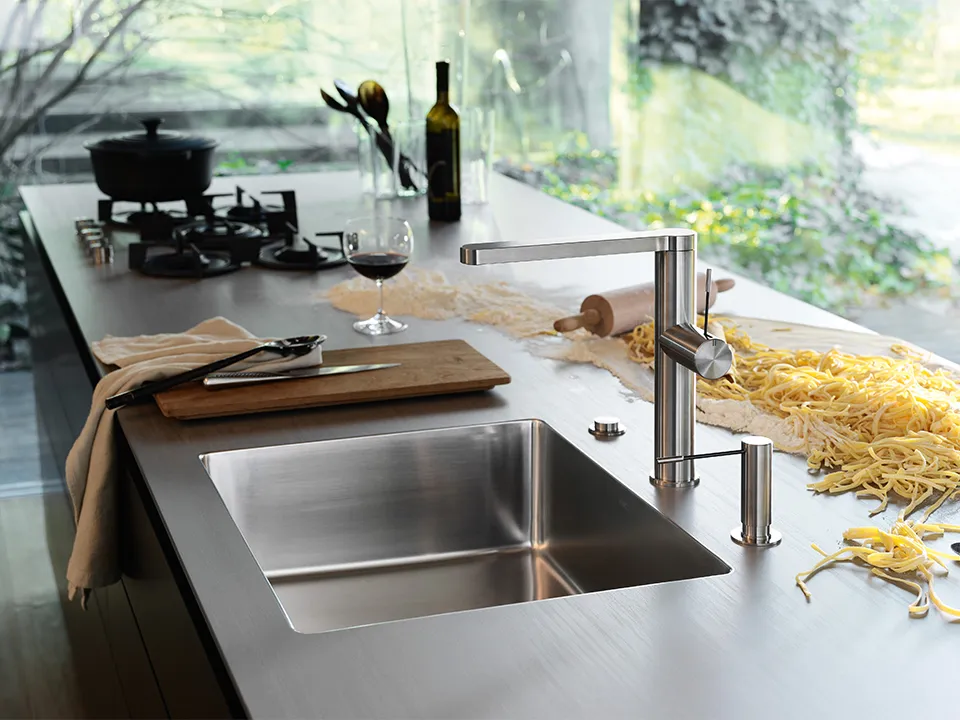
Choosing a material
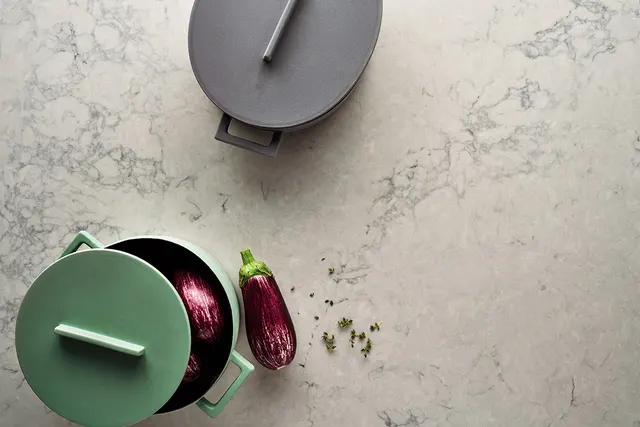
There is a whole range of materials you can present to your customers. Most people sitting at your table will be able to name natural stone, with marble and granite undoubtedly the best known, as well as composite and ceramic. Less common as worktop materials, but certainly familiar to your customers, are stainless steel, wood and glass. Solid surface is increasingly gaining ground as another option. There is a material to suit every type of kitchen, in the right colour or finish. And every type of customer will have their own preference. So the key is to ask questions and explain the properties of each material, so customers are not left facing an unpleasant surprise later on.
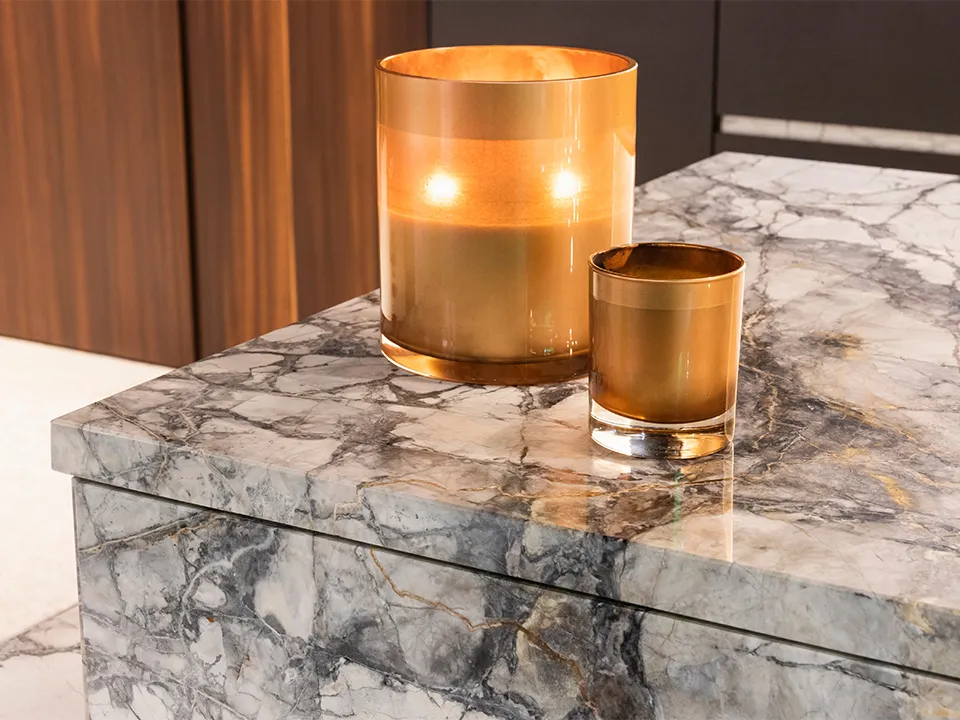
Spotting trends
Keukenbouw likes to keep its finger on the pulse of trends and developments. When a product or material makes its way into the kitchen sector, it deserves our attention. That applies to completely new developments, as well as to products or materials that take a little longer to come into their own. Further on in this feature, you can read more about the growing popularity of quartzite and dolomitic marble, two types of natural stone with the elegant look of marble and the hardness of granite. Laminate also deserves a place on this list. In particular, compact laminate with a coloured core is gaining popularity.
Question about this story? Ask your question
Keep following this
Get an email when a new story is published. No account needed.
- ThemeMaterials and finishes in balance
- SubjectWorktops