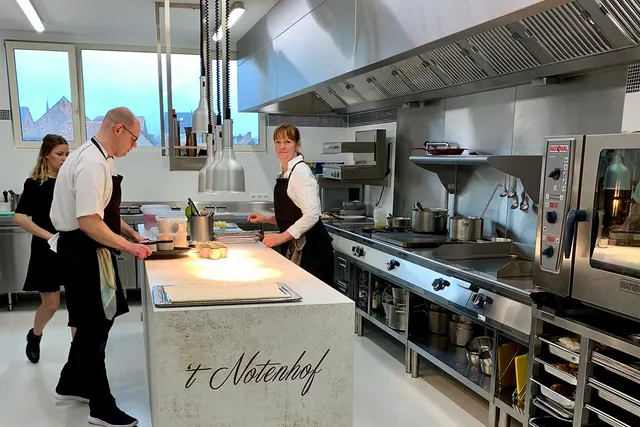
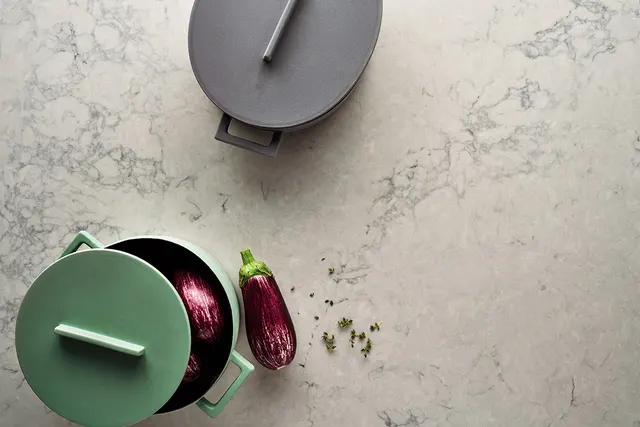
The first thing you notice in the kitchen
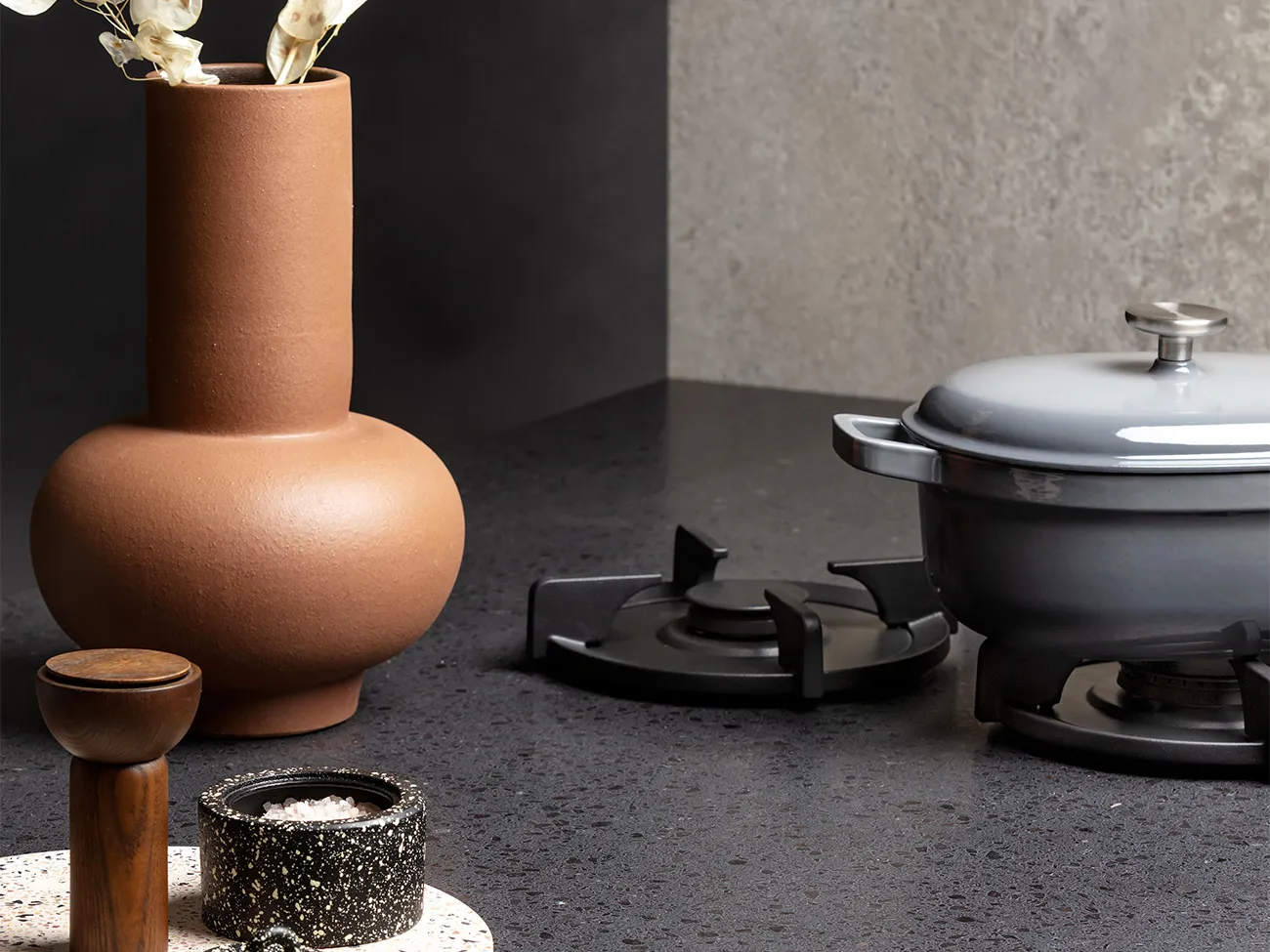
There is no doubt that the kitchen has become the most important room in the home. It is equally clear that a new kitchen is a considered decision, with every element requiring careful thought. The kitchen tap may be the most-used feature, but the worktop is the largest and has to withstand the greatest number of ‘attacks’.
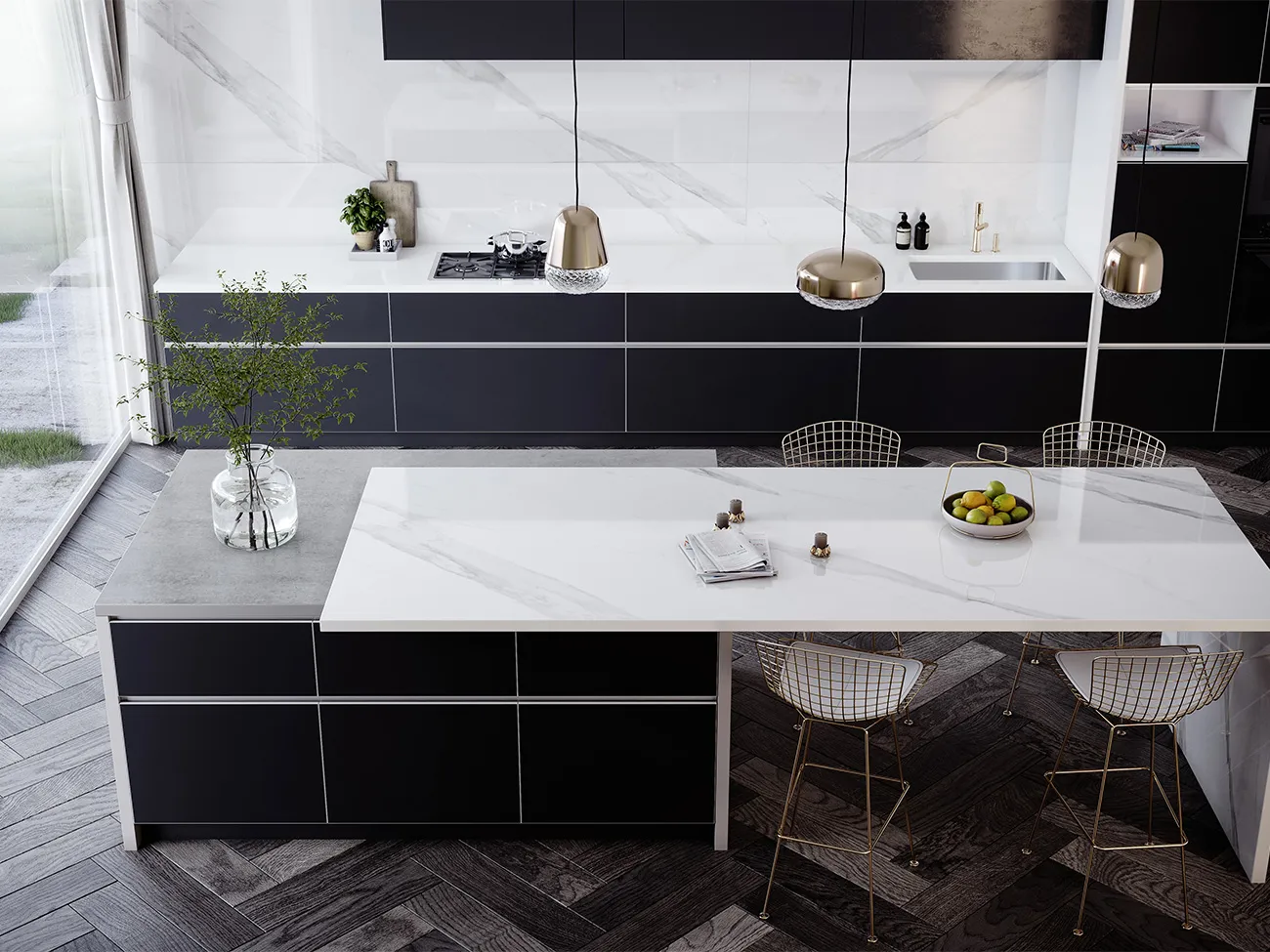
Gone are the days of (closed) doors hiding the kitchen from visitors. Today, the kitchen has become the heart of the home and a showpiece that every guest should see. Investing in a new kitchen has become something of a no-brainer, although there are plenty of decisions to make once the design is in place. Which appliances, and from which brand? Which sink and tap? Induction or gas? The worktop is also on the list. The tap may get the most use and the oven may be a striking appliance with impressive features, but the worktop is the largest element in the kitchen. It also has to withstand all kinds of ‘attacks’, from ingredients and meal leftovers to cutlery and, for example, a bunch of keys thrown onto it from across the room. Fortunately, the choice is so wide that there is a worktop to stand up well to just about anything. But a wider choice means a longer decision-making process, one that should not be underestimated.
Choose the right worktop
Fortunately, the wide range available from different suppliers means there are kitchen worktops to suit every taste and budget. While a kitchen worktop needs to look good these days, it is also important to consider the practical aspects of the material you choose. After all, the worktop’s main purpose is still meal preparation, with all the tasks that entails. Does it need to be heat-resistant, so it can withstand hot pots and pans? Does it need to be scratch-resistant? Are you happy for signs of use to remain visible, or are you willing, and likely to remain so, to sand and maintain the worktop to keep it looking like new? Every material has its own characteristics, and every household its own preferences. What makes a good worktop for one person may be entirely unsuitable for another. There is plenty to consider, and it is best to discuss the options with a kitchen specialist.
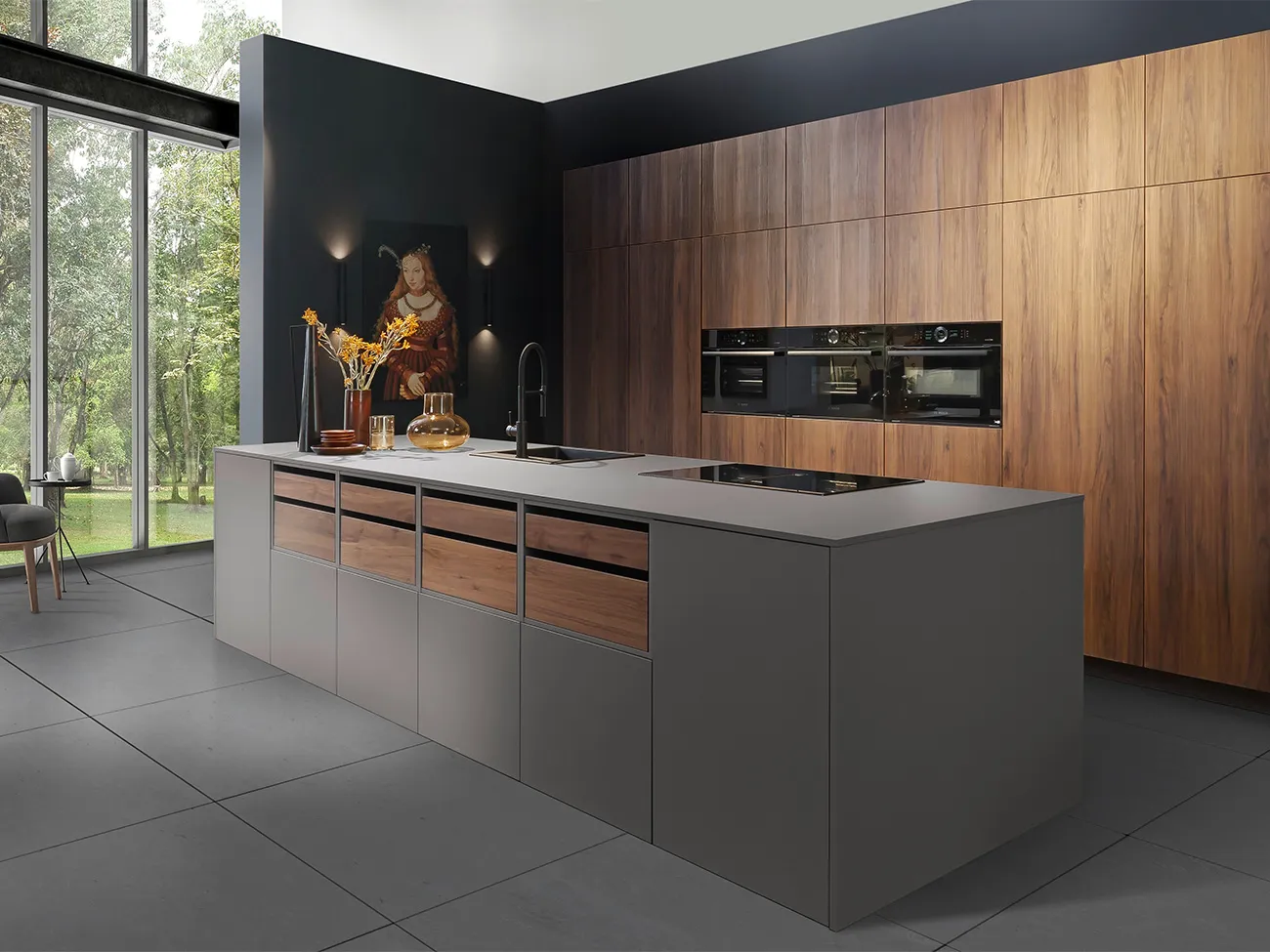
Nanotechnology
FENIX may well be today’s trendiest material for kitchen worktops. It has a silky feel, a sleek look and excellent qualities for use as a kitchen worktop. FENIX is made using nanotechnology. Among its most striking qualities are its complete resistance to fingerprints, even on dark colours, and its strong resistance to scratches, rubbing, abrasion and heat from pots, pans and dishes. Its self-healing properties are also met with great enthusiasm: all it takes is a cloth and an iron to remove small scratches. Add its easy maintenance and wide range of designs, making it suitable for any kitchen, and it is easy to see why FENIX is rapidly gaining popularity.
A process millions of years in the making
Quartzite worktops have a long history. Quartzite is a metamorphic rock formed from sandstone. Over millions of years, heat and high pressure fuse the quartz minerals in the sand into an extremely compact, hard rock. The result is an elegant look and a worktop that is always unique. Choosing a quartzite worktop brings a natural, luxurious touch to your interior. The way quartzite is formed makes it highly resistant to heat, acids and scratches, as well as giving it a long lifespan. It requires very little maintenance.
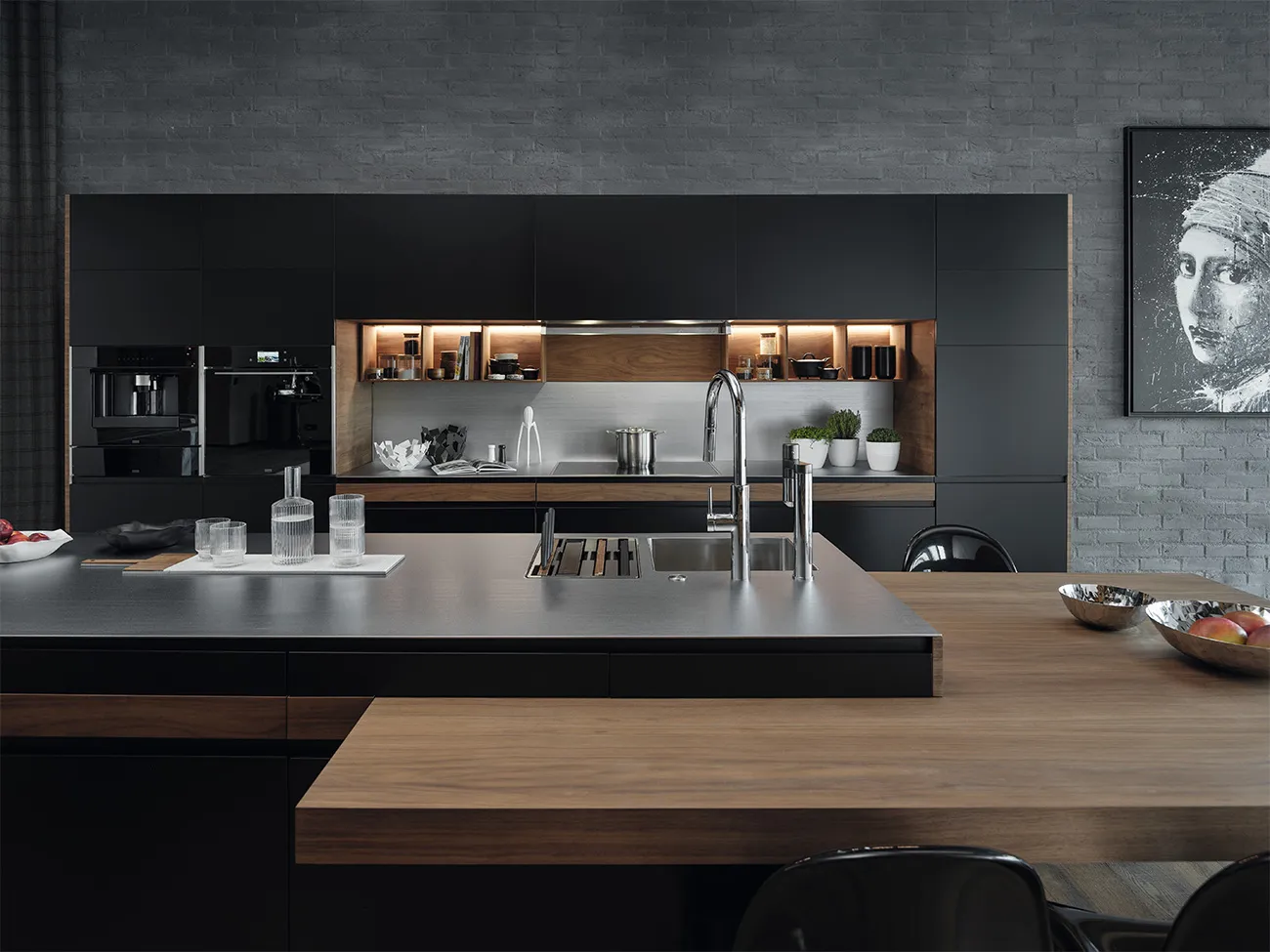
Nature in the kitchen
A wooden worktop brings the natural world into the kitchen. It is also naturally resistant to germs and bacteria, and becomes more beautiful with age. However, a wooden worktop needs careful maintenance. Stains must be removed straight away to prevent damage. Wood is not scratch-resistant, but scratches can easily be sanded away. Regular oiling is needed to prevent it from drying out.
Question about this story? Ask your question
Keep following this
Get an email when a new story is published. No account needed.
- ThemeMaterials and finishes in balance
- SubjectWorktops